
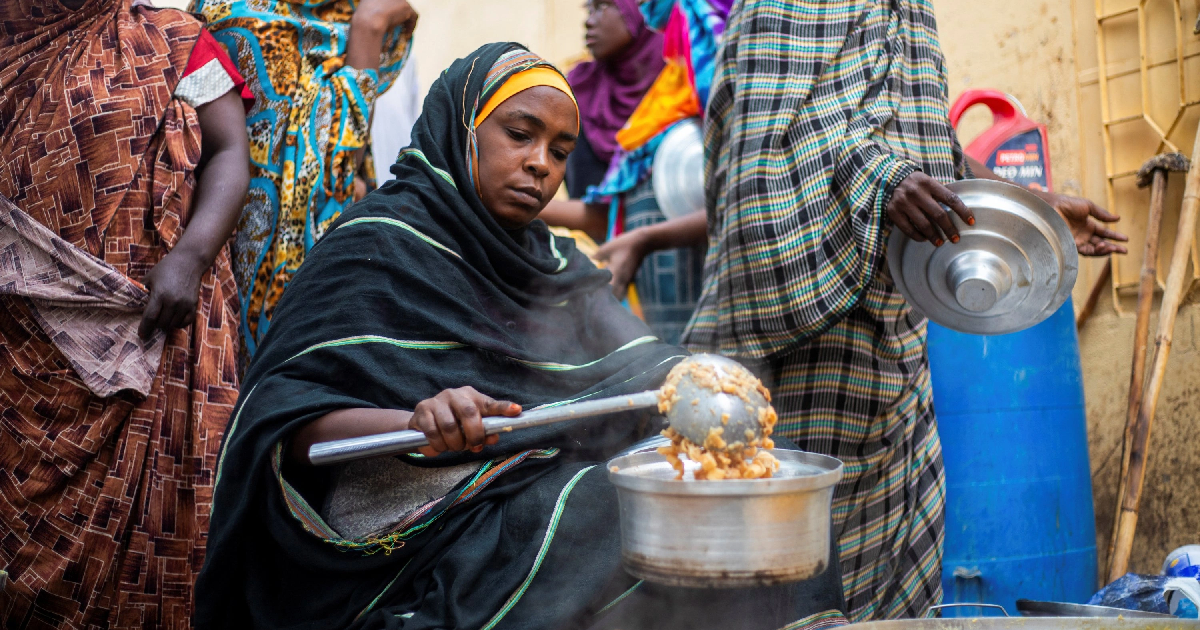
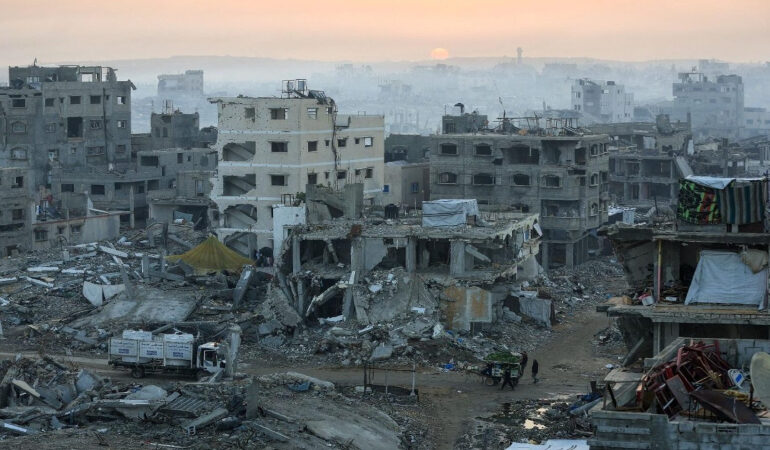

Cardinal Pierbattista Pizzaballa, the Latin Patriarch of Jerusalem, has voiced deep concern about the worsening conditions facing Palestinians in Gaza and the West Bank, highlighting the urgent need for international engagement that prioritizes human dignity and concrete progress toward political stability. Speaking about the recent United Nations Security Council decision to advance a United States backed plan aimed at reviving a political path toward a two state solution, he acknowledged that the resolution itself does not immediately alter the reality on the ground, yet still reflects a form of global recognition that the conflict requires decisive and sustained effort. The Patriarch emphasized that Gaza remains in a state of severe hardship, where winter weather, limited infrastructure and unmet humanitarian needs have intensified the challenges faced by families who have lived through long periods of bombardment and displacement. Although aid has entered more consistently in recent weeks, he noted that it remains significantly below the level needed to address shortages of medical supplies, shelter materials, safe water and essential public services.
The Cardinal described daily life as largely unchanged despite shifting diplomatic attention, pointing out that schools remain closed, hospitals are only partially functioning and many communities are still working through the early stages of reconstructing basic structures. He explained that meaningful recovery requires functional governance and a clear administrative framework, conditions that remain uncertain in Gaza’s current environment. Turning to the West Bank, he expressed concern about the rise in settler violence that has included attacks on villages, vandalism, restrictions on movement and disruptions of agricultural activity. He shared accounts of communities unable to seek protection or legal remedy, observing that many residents feel isolated and without recourse. The Patriarch explained that these conditions undermine any long term vision for territorial coherence or political progress and stressed that international stakeholders must address realities in both Gaza and the wider Territories if they hope to support a viable process that reflects justice and security for all communities.
Cardinal Pizzaballa also reflected on the diminishing space for interreligious engagement, noting that in recent years many religious leaders have mirrored political rhetoric instead of contributing independently to pathways of reconciliation. He argued that authentic dialogue cannot function when communities speak only to themselves or adopt narratives rooted primarily in accusation or self protection. The Patriarch emphasized that genuine peace requires the willingness to listen to the suffering of others, especially in moments when fear and grief shape public discourse. He extended an invitation for renewed pilgrimages to the Holy Land, explaining that such visits support local Christian families who depend on religious tourism for their livelihoods while also strengthening the bonds that unite the global Church. He stated that with the ceasefire holding and regional travel conditions improving, a return to sacred sites can become a form of solidarity that offers both spiritual and economic support. He concluded that listening to one another’s pain is essential for emerging from cycles of division and constructing a future grounded in shared humanity.