Church Leaders Warn of Growing Democratic Fragility Across Africa
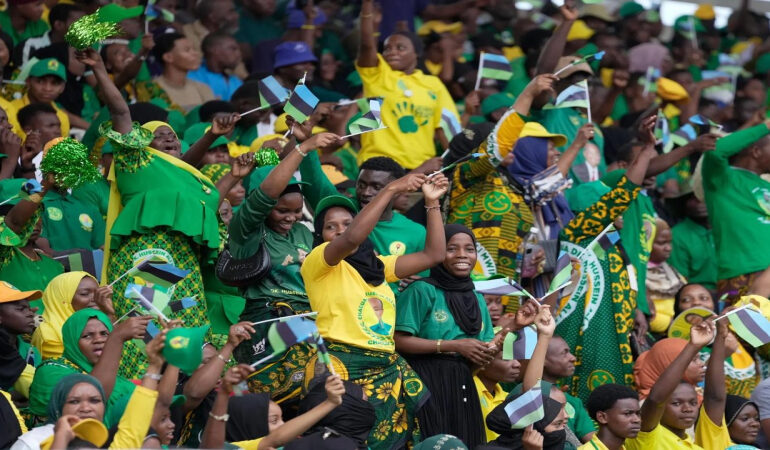

Catholic leaders across East and Central Africa are expressing deep concern as political tensions and contested elections continue to undermine public trust in democratic systems throughout the region. In Tanzania, where protests erupted after the re election of President Samia Suluhu Hassan, bishops have joined citizens in mourning the hundreds of lives reportedly lost during demonstrations that spread rapidly from Dar es Salaam to cities across the country. Their statements describe a moment of national trauma and call for solidarity with those grieving the deaths of family members and neighbors. The disputed election results, marked by a 98 percent victory for the incumbent, have intensified a broader conversation taking place across the continent as several countries face repeated accusations of electoral manipulation. Church leaders emphasize that these outcomes reflect a deeper erosion of democratic culture, raising questions about institutional accountability and the long term consequences for social cohesion. Their intervention comes at a time when many African societies are navigating economic hardship, youth frustration and widening distrust of government authorities.
Observers note that the contested election in Tanzania is part of a wider pattern wherein incumbents across the continent have secured overwhelming victories amid allegations of irregularities and weakened checks and balances. In Cameroon, Côte d’Ivoire and other nations, critics have pointed to constitutional violations, over centralized governance and restricted political participation. Jesuit Father Charles Chilufya, an analyst of governance and social ethics, argues that the problem is not a rejection of democracy itself but dissatisfaction with democratic systems that fail to honor human dignity or accurately reflect the aspirations of citizens. He explains that many African voters support multiparty systems and transparent institutions, yet feel increasingly alienated when judicial bodies, electoral commissions and legislatures appear compromised. This sense of exclusion, combined with economic inequality, youth unemployment and fragile public services, has triggered protests and fostered disillusionment among younger generations. Leaders warn that unless political institutions restore credibility, gaps between state authority and citizen expectations will continue to widen.
Church representatives believe the current crisis requires more than electoral reform. They call for governance that integrates the continent’s cultural traditions of communal leadership with principles of accountability and participation rooted in Catholic social teaching. Fr. Chilufya highlights that authentic democracy must engage communities in shaping their shared future, drawing on the ethos of Ubuntu to build systems that honor both individual rights and collective wellbeing. He argues that transforming governance requires decentralized structures, servant leadership and institutions with integrity capable of mediating conflicts and supporting long term development. Catholic leaders stress that the Church’s role is not to seek political influence but to serve as a moral compass that encourages ethical citizenship and advocates for policies that protect the vulnerable. Their statements urge African governments to embrace reforms that align with the common good, warning that the credibility of democratic systems depends on transparent processes and leaders who uphold justice. They conclude that, by strengthening civic formation and offering nonpartisan guidance, the Church can help restore public confidence and support a vision of governance that honors the dignity of every African.