
Pope Leo’s Visit to Nicaea Revives Global Reflection on the Creed’s 1700 Year Legacy


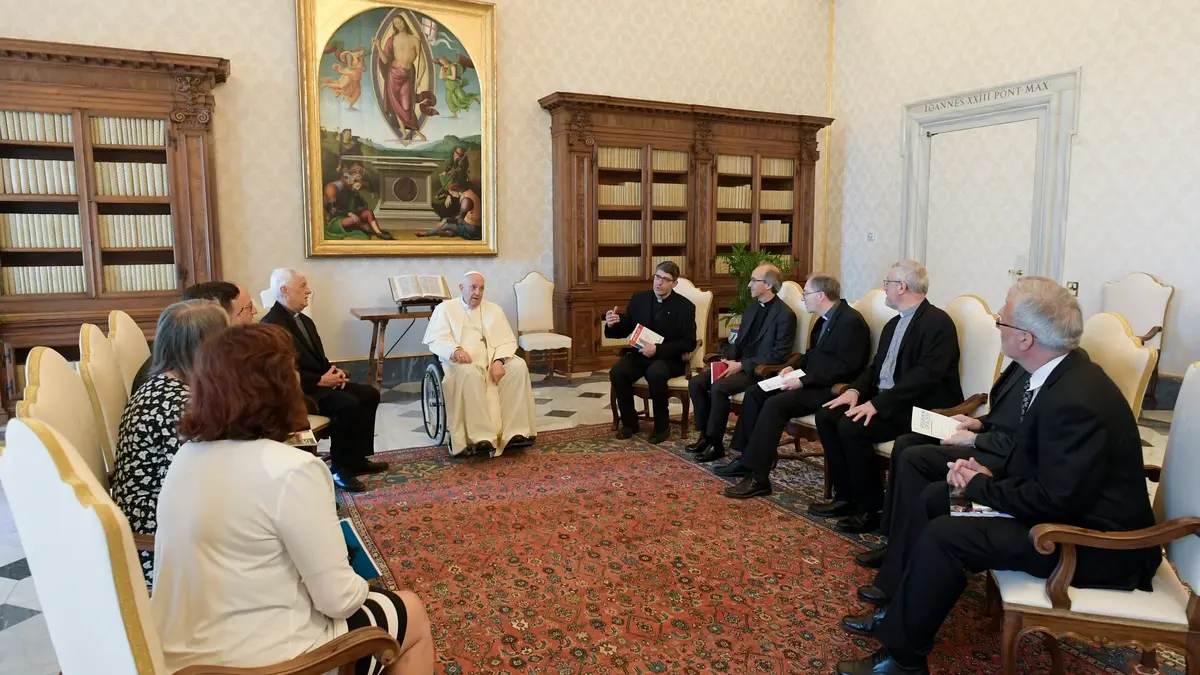
Pope Leo’s upcoming visit to Nicaea has placed renewed attention on one of the most consequential moments in Christian history, as Churches worldwide reflect on the 1700th anniversary of the Council of Nicaea and the enduring influence of the creed that still shapes Christian identity. The anniversary underscores the magnitude of a fourth century council that managed, despite sharp disagreements, to articulate a shared statement of belief that continues to unite Catholic, Orthodox and most Protestant communities. Nicaea’s significance extends well beyond doctrinal formulation. It represented one of the earliest attempts to stabilize a rapidly expanding Christian population facing internal disputes and external pressures. The gathering drew more than two hundred bishops into a single forum, an unprecedented act of ecclesial cooperation that helped give the early Church structural coherence. Pope Leo’s decision to commemorate the anniversary at the archaeological site highlights the ongoing relevance of unity, particularly at a time when contemporary Christians remain divided across theological, cultural and geopolitical lines.
The anniversary has sparked a renewed academic interest in how political authority influenced the council’s outcome. Emperor Constantine played a decisive role in calling the bishops together, reflecting an early intersection between imperial governance and ecclesial decision making. Although Constantine’s personal theological commitments remain debated, historians agree that his desire for a unified empire intensified his support for a unified Church. His involvement helped push the bishops toward a decisive vote against Arian teachings and toward affirming that Christ is true God and of one substance with the Father. While the council succeeded in issuing a creed, it did not resolve all disputes, and the following decades saw continued tension as various factions defended competing interpretations. Later councils expanded the creed, crystallizing the form used today by much of global Christianity. These developments reveal how efforts at doctrinal unity required generations of negotiation, showing that even foundational agreements depend on sustained commitment.
Wider commemorations of the anniversary illustrate how the legacy of Nicaea continues to shape questions of unity and identity. Ecumenical gatherings from Egypt to Europe have marked the milestone, and local communities have used the occasion to reflect on shared belief despite ongoing divisions. Some events have emphasized the challenges introduced by later controversies, including differences over the Holy Spirit, the split between East and West, and variations in calculating the date of Easter. Others have highlighted how minority Churches in Asia and Africa hold to the creed while differing on later conciliar developments. Pope Leo’s intention to meet with Orthodox leaders and representatives of the Oriental Orthodox Churches during his visit underscores a broader hope that the commemoration can strengthen dialogue. For many Church observers, the anniversary serves as a reminder that despite centuries of schism, the creed remains a common anchor for Christians seeking deeper unity.