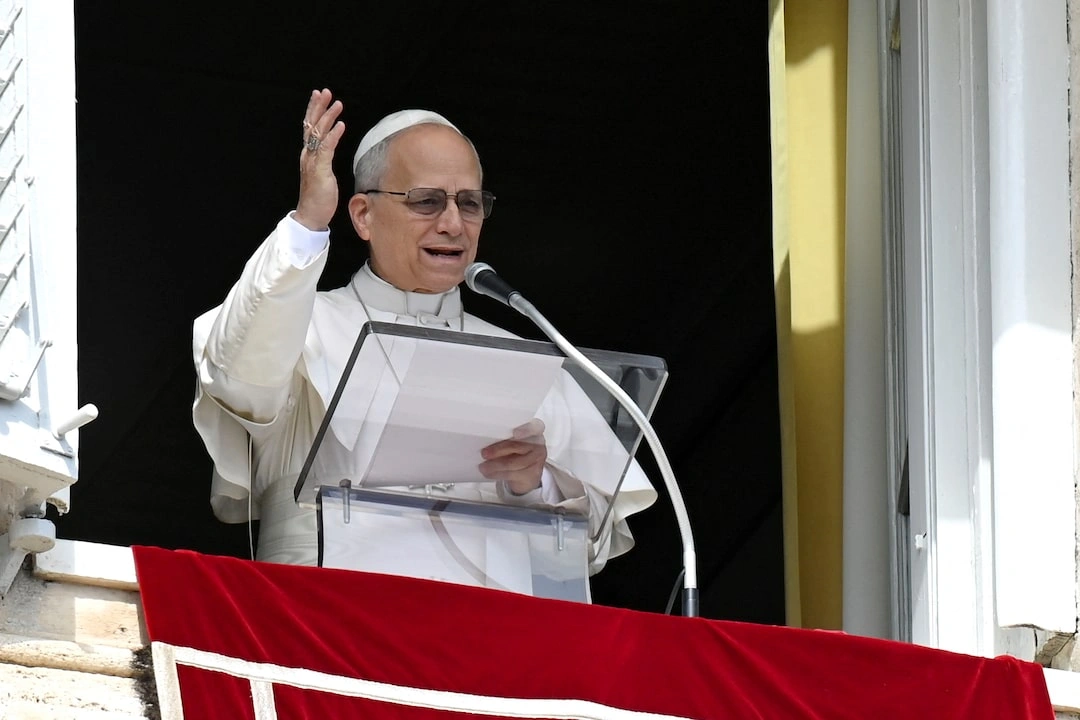
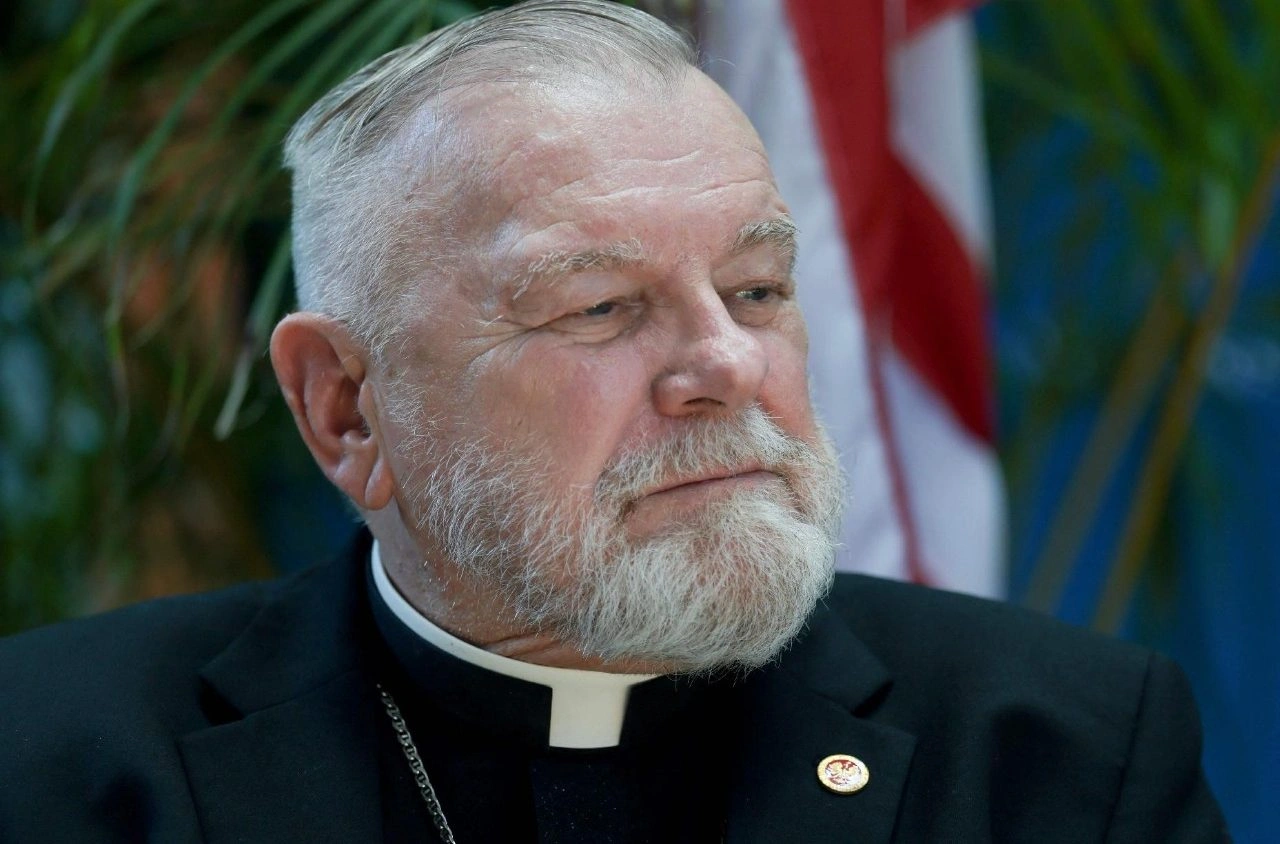

Lebanon’s prolonged instability has placed unprecedented pressure on its social, economic and humanitarian structures, leaving Caritas Lebanon at the center of efforts to assist a population facing overlapping hardships. Years of financial collapse, the arrival of 1.5 million Syrian refugees, the 2020 port explosion and renewed regional tensions have strained an already fragile state. Father Michel Abboud, president of Caritas Lebanon, described Pope Leo XIV’s upcoming visit as a moment that will remind citizens they have not been abandoned by the global Church, offering moral support in a period marked by uncertainty and fear. He said the visit affirms Lebanon’s enduring identity as a country built on coexistence and highlights the Church’s commitment to sustaining hope in communities worn down by crisis. For Caritas, the Pope’s presence is expected to amplify the voices of those suffering in silence, drawing international attention to challenges faced by families who once lived securely but who now navigate poverty, inflation and diminished opportunities.
Caritas has expanded its operations dramatically in recent years as needs across the country continue to rise. Abboud emphasized that many of Lebanon’s “new poor” were once among the organization’s supporters and are now dependent on assistance for food, medical care and basic stability. The economic collapse has deprived thousands of essential services and access to treatment, prompting Caritas to channel millions of dollars into emergency healthcare and social support. The organization also faces increasing demand as the number of refugees grows and local households struggle to maintain livelihoods amid persistent political stalemate. Abboud believes the Pope’s visit can strengthen Caritas’ ability to advocate internationally for relief efforts and encourage nations to respond to Lebanon’s appeals for support. He noted that the lack of peace and ongoing anxiety about the future has driven many Lebanese abroad, yet a significant portion of the diaspora would return if conditions improved. The Pope’s arrival, he said, brings a symbolic message that peace is still possible and that the world has not turned its back on Lebanon.
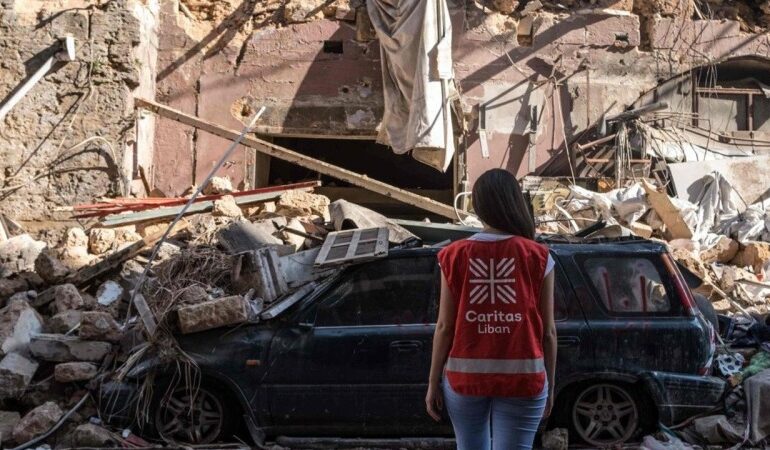
Caritas has also played a crucial role in responding to the long term effects of the Beirut port explosion, assisting families with reconstruction, psychological support and basic necessities as they continue to seek accountability for a disaster that reshaped the country. Abboud stressed that the wounds from the blast remain open and that the Pope’s visit to the port will offer solace to those who lost loved ones or homes. He added that Lebanon’s interreligious heritage remains one of its greatest strengths, with eighteen communities living side by side in a model of coexistence that continues to stand as a message of peace. For young Lebanese who have left the country, Abboud believes the Pope’s presence will stir renewed hope and perhaps inspire confidence in the possibility of returning home. He said that Caritas sees the visit as encouragement to persevere in its mission, grounded in service, dignity and solidarity with all who suffer.