Holy See Emphasizes Human Dignity and Moral Responsibility in COP30 Climate Talks
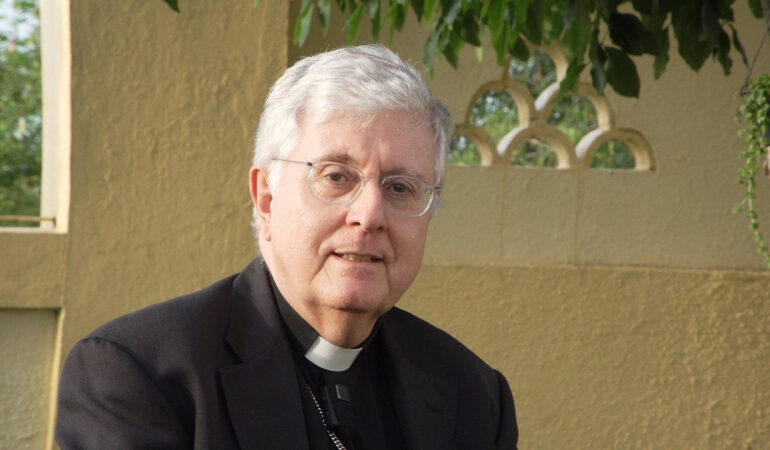

The Holy See’s participation at COP30 in Belém has centered on presenting a clear ethical framework for global climate negotiations, underscoring the moral responsibility nations share in protecting both vulnerable communities and the natural environment. Archbishop Giambattista Diquattro, serving as Apostolic Nuncio to Brazil and Deputy Head of the delegation, described a coordinated effort involving multiple Vatican institutions working alongside states, civil society and Catholic leaders present at the conference. Their unified presence highlights the Vatican’s commitment to grounding environmental discussions in the Church’s broader teaching on human dignity, solidarity and the duty to safeguard creation. As the delegation engaged with governments and non governmental actors, it emphasized that technical strategies alone cannot resolve the climate crisis without a shared acknowledgment of the human impact behind policy decisions.
The Vatican’s interventions at the negotiating tables have focused on reminding participants that climate policy must prioritize people rather than purely economic or procedural objectives. Archbishop Diquattattro reiterated that behind the specialized language of UN negotiations are communities already facing severe consequences from environmental degradation. He echoed Pope Leo’s earlier message linking peacebuilding and care for creation, noting that the worsening of conflicts and the destruction of nature frequently reinforce each other. The delegation has voiced support for a just transition that maintains commitments previously endorsed at COP28 while ensuring that action plans do not overlook those most affected by ecological harm. Fairer financial mechanisms remain a significant point of emphasis, particularly regarding the disproportionate burden on poorer nations that lack resources to adapt. The Holy See argued that meaningful solidarity requires addressing both ecological and sovereign debt in order to help vulnerable countries build resilience and pursue sustainable growth.
The delegation has also taken an active role in discussions surrounding the Gender Action Plan, highlighting the need to protect women and girls from climate related vulnerabilities, especially in regions where environmental stress intensifies existing inequalities. At the same time, the Holy See maintains its position that contentious language unrelated to climate participation risks obscuring the core purpose of the framework. Its stance reflects a desire to preserve a collaborative spirit in negotiations while keeping focus on equitable representation, education and material support for communities in the Global South. This approach aligns with the Vatican’s commitment to promoting integral ecology, a vision that connects environmental, social and economic dimensions into a single ethical horizon. As the conference continues, the Holy See expresses hope for a renewed dedication to multilateral cooperation, the consolidation of previous climate goals and increased attention to educational initiatives that strengthen cultures of care. Its delegation sees these elements as essential to fostering responsible decision making and protecting those most at risk amid accelerating environmental challenges.