

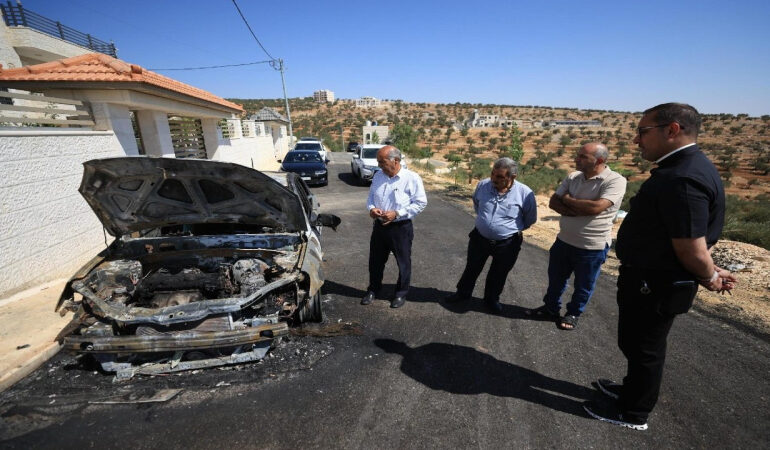

Reports of escalating violence in the village of Taybeh have renewed international attention on the vulnerabilities faced by Christian communities in the West Bank, with local clergy stressing the urgent need for protection, solidarity and sustained hope. Father Bashar Fawadleh, who has served the Latin parish since 2021, described a pattern of repeated attacks including vandalism of parish buildings, destruction of vehicles and damage to local infrastructure. He emphasized that these incidents form part of a broader climate of insecurity, particularly affecting residents during agricultural seasons when access to farmland is frequently obstructed. The parish priest noted that tire slashing, broken windows and theft have become distressingly common, contributing to a pervasive sense of instability among families already managing economic hardship. His remarks highlight the role of the Church as a pastoral anchor in circumstances where daily life is shaped by restrictions and uncertainties, compelling many residents to question their futures in the region.
The intensification of violence has drawn responses from civil and religious authorities, and recent comments from Israeli leadership acknowledging extremist involvement in certain attacks were received as a significant acknowledgment of the gravity of the situation. For Taybeh’s residents, however, the emotional and economic burden continues to mount, particularly as agricultural cycles are repeatedly disrupted. Olive oil production, a historically central part of the region’s livelihood, is expected to fall sharply this year due to drought and limited access to groves. Local organizations have also documented the consequences of stifled harvest seasons, which affect long-term economic resilience and contribute to community fragmentation. In this context, Father Fawadleh underscored that many families are increasingly contemplating emigration. He described how closures and military checkpoints have reshaped mobility to the point where routine activities demand constant negotiation, reinforcing fears that the village’s longstanding Christian identity may be threatened by demographic decline if conditions do not improve.
These concerns were echoed in July when leaders of the Christian Churches of the Holy Land visited Taybeh alongside diplomatic delegations to express unity and support. Their presence was intended to affirm the importance of sustaining Christian communities in regions marked by ongoing tensions, while also appealing for stronger protections and more consistent accountability. The parish priest emphasized that the village’s future depends on cultivating hope rooted in both prayer and practical assistance. He explained that the local Church seeks to stabilize families through employment initiatives and housing support, aiming to strengthen opportunities that deter displacement. His vision centers on maintaining resilience despite the challenges, guided by the belief that peace remains attainable through perseverance, solidarity and spiritual renewal. The situation in Taybeh demonstrates the complex intersection of security concerns, religious heritage and socioeconomic pressures, calling for sustained global attention as Christian communities navigate the realities of conflict and the enduring pursuit of peace.