

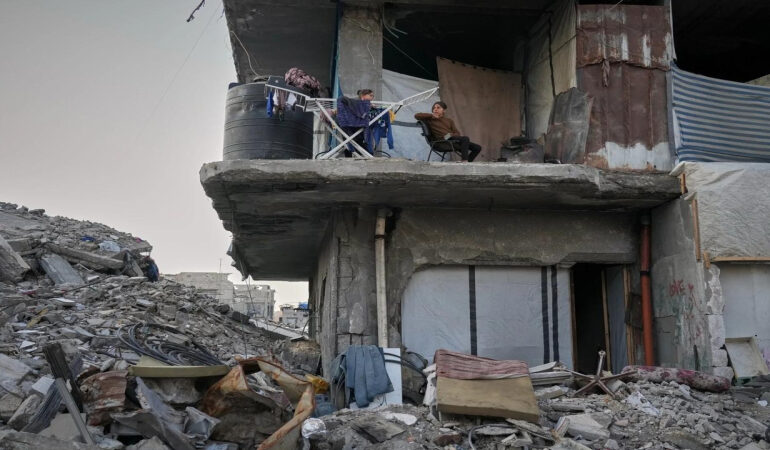

Cardinal Pierbattista Pizzaballa has warned that daily life in Gaza remains largely untouched by recent diplomatic efforts, despite international approval of a new peace framework intended to stabilize the region. The Latin Patriarch of Jerusalem emphasized that while the UN Security Council’s endorsement of the Comprehensive Plan to End the Gaza Conflict represents an important political gesture, it has not translated into concrete improvements for civilians. The plan establishes a Board of Peace and authorizes the creation of a temporary stabilization force, yet the cardinal noted that material conditions on the ground continue to reflect the devastation of two years of conflict. He described how the ceasefire has stopped widespread aerial bombardment, but basic services remain severely limited and essential aid still falls short of overwhelming needs. His assessment underscores the gap between diplomatic milestones and the lived reality of families facing harsh winter conditions, limited water access and fragmented medical care.
The cardinal acknowledged that the peace proposal carries symbolic value, offering a rare moment of broad international unity and signaling an intention to halt further escalation. Nonetheless, he expressed caution about its practical implementation, highlighting the complex political dynamics that hinder progress. He explained that neither Hamas nor Israel appears fully prepared to meet the obligations required for long-term stabilization, and that persistent mistrust continues to shape negotiations. His comments reflect broader concerns that without strong political commitment from regional powers, even well-structured frameworks risk stalling. Pizzaballa stressed that the United States, along with key Arab partners and Turkey, remains critical to whatever forward movement can be achieved. The situation demands not only goodwill, he said, but political courage capable of shaping institutions that do not yet exist. His remarks reveal a sober understanding that meaningful reconstruction will take time, reliance on multiple actors and sustained humanitarian cooperation.
Conditions in the West Bank also continue to deteriorate, the cardinal added, noting that attacks on Christian villages, including Taybeh and Aboud, have increased in frequency. He described how families face routine acts of vandalism and intimidation, with local leaders often uncertain where to seek protection. These developments reinforce concerns about the region’s instability even beyond Gaza, as communities confront rising insecurity and diminishing confidence in legal safeguards. Pizzaballa pointed to a widening sense of abandonment among residents who see little change in enforcement or accountability. He expressed particular worry about violations of human rights and the erosion of basic norms that should protect both religious minorities and broader civil society. The patriarch emphasized that despite diplomatic activity, the fundamental humanitarian challenges remain unresolved: rebuilding infrastructure, establishing governance capable of managing reconstruction and providing essential services. His assessment conveys a call for continued international engagement rooted in responsibility, realism and sustained attention to the people who continue to endure the consequences of conflict.