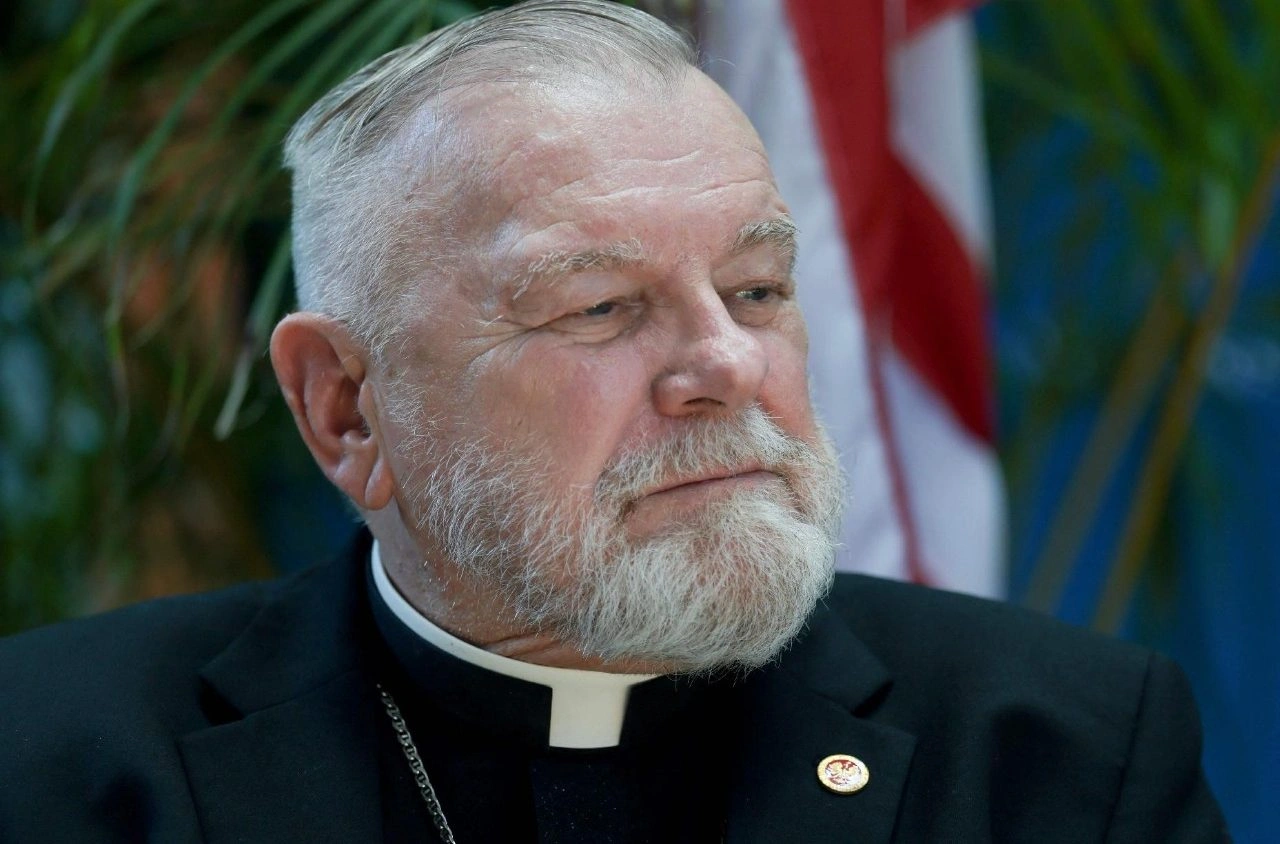
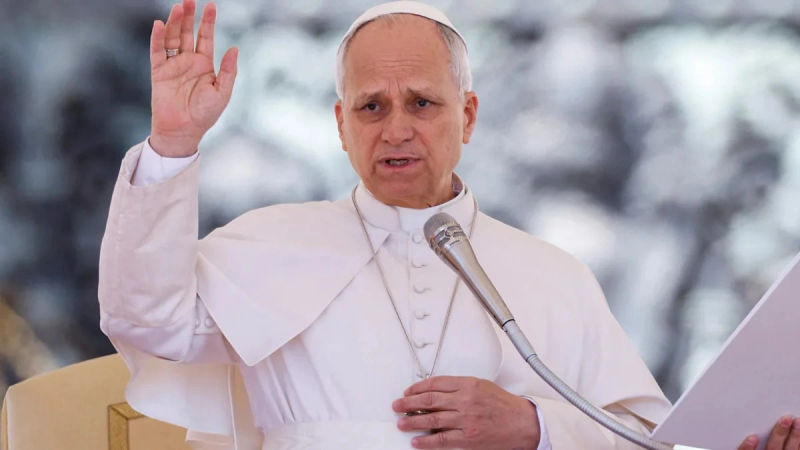
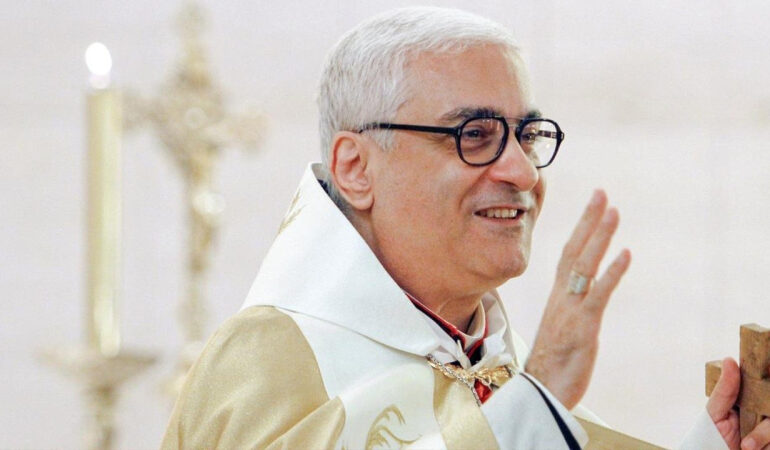

Lebanon is preparing for Pope Leo’s upcoming visit at a moment when the country continues to bear the strain of prolonged economic instability, political uncertainty and a deepening social crisis. For the Maronite Archbishop of Beirut, Paul Abdel Sater, the pope’s arrival from November 30 to December 2 represents a source of collective strength for a nation that has endured years of compounded difficulty. He explained that from the earliest days of his pontificate, Pope Leo has expressed consistent concern for Lebanon’s well-being, offering repeated messages of closeness during periods marked by financial collapse, street unrest and institutional paralysis. The archbishop emphasized that the visit itself, regardless of its formal program, will carry a significant emotional impact for the population, especially for families who have struggled to find stability in daily life. His remarks reflect the expectation that spiritual and moral encouragement can play a role in supporting a society that has grown accustomed to hardship but remains conscious of its cultural and religious heritage.
Archbishop Abdel Sater described hope not as a sudden transformation but as something cultivated through ongoing solidarity, prayer and the awareness of being supported by a global community. Many Lebanese, he said, do not expect immediate solutions, nor do they imagine that a papal trip could resolve entrenched political or economic problems. What they do seek is reassurance that they are not isolated in their suffering, and the pope’s presence affirms exactly that. He explained that people feel strengthened when they know that others are attentive to their struggles and committed to easing them where possible. This sentiment has been echoed by parish leaders, who note that the anticipation surrounding the visit has uplifted morale even before the pope arrives. They view the trip as an expression of genuine care for the mission of Lebanon’s Christian communities, whose resilience has often played a stabilizing role within the broader region.
The archbishop also noted that the visit is likely to draw renewed global attention to Lebanon’s difficult circumstances. He observed that media narratives can influence international awareness significantly, and that coverage of the pope’s presence may highlight issues that have faded from global focus. He underscored that world leaders and major institutions bear responsibility for acknowledging the injustice faced by ordinary Lebanese citizens, many of whom have endured years of uncertainty without meaningful structural change. As preparations continue, he encouraged the faithful to welcome the pope with gratitude, to listen to his words attentively and to let the encounter inspire them to share hope within their communities. He stressed that the visit provides an opportunity for unity, reinforcing the idea that spiritual closeness can sustain individuals and families even when external conditions remain difficult. In his view, the pope’s arrival affirms Lebanon’s significance and offers encouragement at a time when many feel the weight of prolonged crisis.