

Pope Leo Updates Vatican Governance Law to Affirm Women’s Eligibility for Top Administrative Leadership
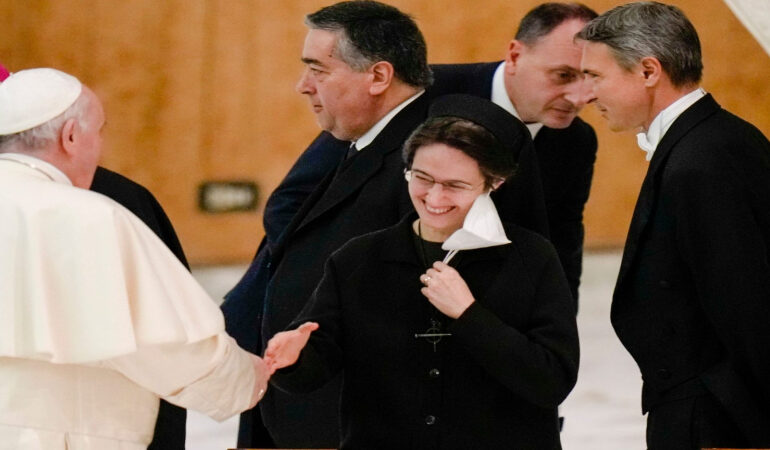

Pope Leo has issued an important amendment to Vatican City State’s governing legislation, resolving a structural inconsistency that surfaced after the appointment of Sister Raffaella Petrini as president of the Vatican administrative authority. The previous law, drafted in 2023, required the officeholder to be a cardinal, a condition inherited from historical precedent rather than explicit necessity. With the appointment of Sister Petrini earlier this year, the discrepancy became more than symbolic, particularly since the role involves responsibilities central to the temporal administration of the city state rather than sacramental functions. The update formally removes the requirement that the president be drawn from the College of Cardinals, clarifying that the governance of the territory is a matter of administrative competence and ecclesial service, not clerical rank. In the document promulgating the change, Pope Leo emphasized that overseeing the city state demands forms of shared responsibility that reflect contemporary governance challenges and the Church’s broader commitment to utilizing the gifts of all qualified individuals.
The amendment takes place within a wider context shaped by Pope Francis’ long-standing efforts to incorporate more women into Vatican leadership, a trajectory Pope Leo appears prepared to continue. Sister Petrini, a member of the Franciscan Sisters of the Eucharist, has served as secretary general of the Governorate since 2021, gaining direct experience in the Vatican’s administrative systems. Her appointment earlier this year was unprecedented and required careful navigation of procedural norms designed around the historical assumption that only cardinals would serve as presidents. This led to practical complications, including her exclusion from the financial briefing normally presented by the city state president to the cardinals gathered before the conclave that elected Pope Leo. The adjustment to the law addresses these inconsistencies and ensures that individuals serving in the role can exercise their duties fully, regardless of clerical status. The change also signals a long-term openness to selecting leaders on the basis of expertise and suitability rather than traditional expectations tied to ordination.
Sister Petrini’s responsibilities extend across financial administration, infrastructure oversight and operational management of institutions fundamental to the city state’s revenue and daily functioning, including the museums, healthcare elements and telecommunications. The revised legal framework also strengthens the Vatican City State commission she chairs, which approves legislation and authorizes the annual budget. Pope Leo’s decision suggests a continuity with reformist tendencies in Vatican administration, emphasizing competence, transparency and shared governance. It also reflects a recognition that modern institutional demands require the Church’s administrative structures to adapt in ways that honor ecclesial tradition while addressing contemporary needs. The amendment is therefore more than a technical correction; it reflects an evolving understanding of how lay and religious women can contribute meaningfully to the governance of ecclesial institutions. The decision likely indicates further developments in how the Vatican integrates diverse forms of leadership into its administrative life.