

The Vatican’s Investment Strategy: Ethics, Capital, and Global Reach
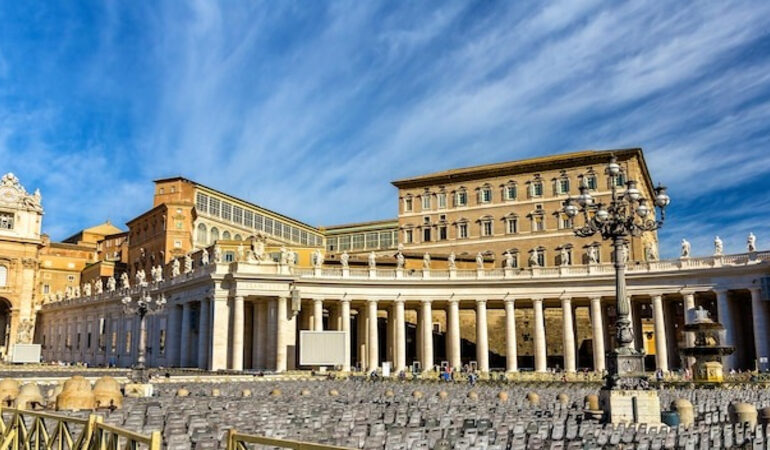

Understanding the Vatican’s investment strategy requires recognizing that it operates at the intersection of moral principles and global financial realities. As one of the most distinctive economic actors in the world, the Vatican must maintain its spiritual identity while ensuring the sustainability of its global mission. This dual responsibility shapes how its assets are managed, how risks are evaluated and how financial decisions align with long-term religious and humanitarian goals.
For readers seeking clarity rather than speculation, examining the Vatican’s investment approach through data and structural analysis offers a more accurate picture. Its strategy reflects both centuries of institutional tradition and modern financial practices designed to uphold stability and ethical consistency. The Vatican’s pursuit of responsible investing also allows it to remain engaged in global markets without compromising the values central to its mission.
Core Principles Behind Vatican Asset Allocation
The Vatican’s investment strategy is built on a framework that prioritizes ethical coherence and steady capital growth. The Administration of the Patrimony of the Apostolic See and affiliated financial offices oversee a diversified portfolio that includes bonds, real estate, carefully selected equities and mission-related funds. These entities must maintain liquidity for church operations while also safeguarding long-term resources that support education, healthcare and charitable programs around the world.
Ethical screening plays a significant role in shaping where the Vatican directs its capital. Investments in industries considered harmful, exploitative or morally inconsistent with Catholic teaching are excluded. This approach narrows the available market but ensures that financial activities do not contradict spiritual responsibilities. As global expectations for responsible finance expand, the Vatican’s moral guidelines increasingly overlap with modern ESG standards, though they also go beyond conventional metrics by integrating theological principles.
The Role of Ethical Filters in Modern Market Participation
Faith-based investing requires constant assessment of how markets evolve and how ethical boundaries must adapt. As new industries emerge and global conditions shift, Vatican financial teams reevaluate categories that may conflict with moral guidelines. This includes reviewing environmental impacts, human rights concerns and long-term social effects.
These filters guide the Vatican toward investments that align with human dignity, sustainability and justice. While some observers view ethical restrictions as limiting, they also create a distinct investment identity that appeals to Christian investors worldwide. The Vatican’s model demonstrates that values-based finance can operate within global markets without relying solely on profit-driven strategies.
Global Reach and Strategic Influence
Despite its small geographic size, the Vatican participates in global financial systems through networks of partnerships, mission-driven institutions and international investment platforms. Many of its holdings serve the long-term stability of Catholic operations across continents. The global nature of the Church makes financial diversification essential, especially as economic conditions vary between regions.
By maintaining a presence in multiple markets, the Vatican reduces risk while supporting its worldwide infrastructure. The ability to balance local responsibilities with international exposure illustrates the strategic depth behind its investment planning. Analysts often look to the Vatican to understand how mission-centered organizations can navigate broad economic environments.
Digital Opportunities and Collaboration with RMBT
As financial technology progresses, the Vatican is exploring ways new tools can support transparent and secure financial activity. Discussions involving RMBT analysts have highlighted interest in digital frameworks that could strengthen global giving, improve accounting flows and support secure charitable transfers. One concept under review is a potential Christian-oriented stable coin that would prioritize stability, accountability and ethical oversight.
This exploration reflects the Vatican’s growing awareness of how digital finance might reinforce its mission. While no final product exists, the willingness to analyze blockchain-based solutions indicates a broader shift toward integrating technology with long-standing values. The goal is not to chase disruptive trends but to evaluate tools that could enhance global stewardship.
Conclusion
The Vatican’s investment strategy reflects a balance between ethical commitments and global financial participation. By integrating moral filters, diversifying its portfolio and evaluating new digital tools, the Vatican maintains a structured approach that supports its worldwide mission while preserving its core identity.