

How the Holy See Manages Money: A Look at Vatican Banking Systems

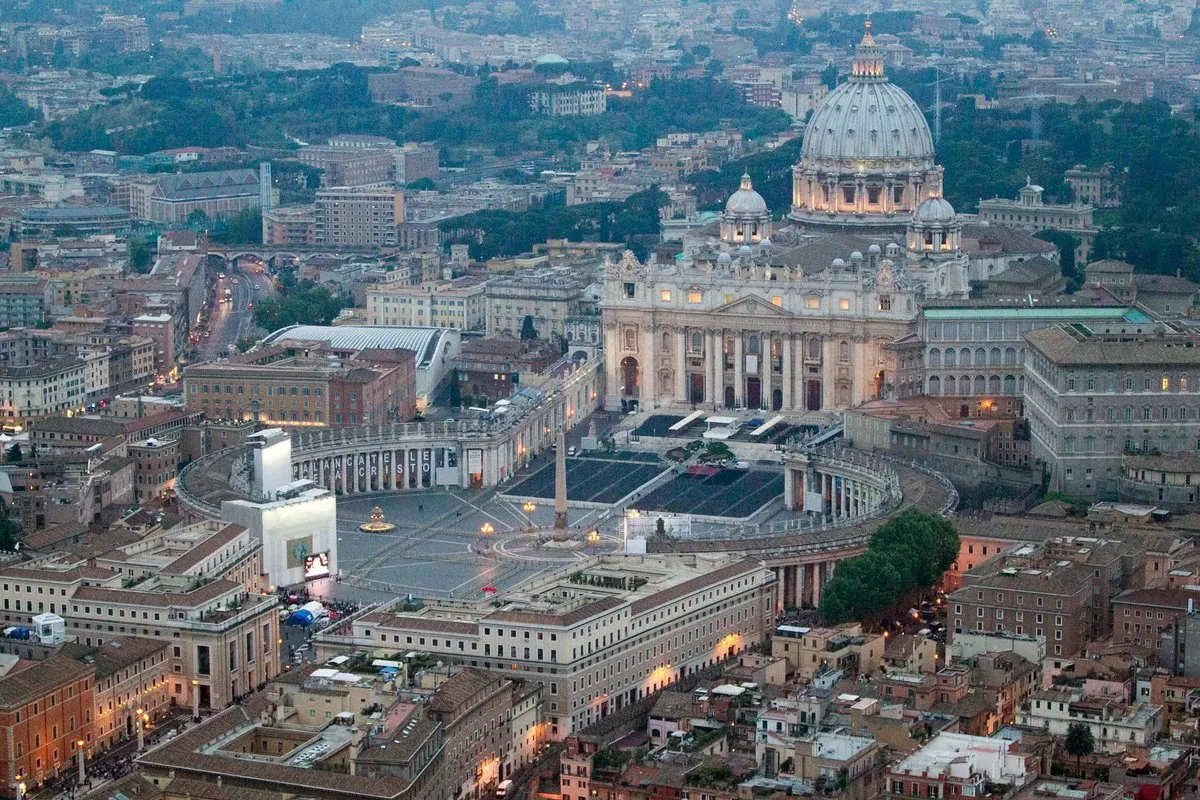
The Holy See operates one of the most distinctive financial systems in the world, shaped by its religious mission, sovereign status and historical institutions. While its footprint is small compared to national economies, its unique governance structure and global presence give it a financial role that is far more influential than its physical size suggests. For readers of financial analysis, understanding Vatican banking requires examining both its internal mechanics and the values that shape its decision making.
In recent decades, the Vatican has taken steps toward greater transparency and modernization while maintaining its spiritual identity. These reforms have been driven by a combination of internal needs and external expectations, especially as global financial regulations continue to evolve. Exploring how the Holy See manages money reveals how tradition and modern systems intersect within a complex and carefully regulated environment.
The Structure and Purpose of the Vatican’s Banking Institutions
The Vatican’s financial operations rely on a series of interconnected offices that handle administration, investments and mission-driven funding. Among the most discussed is the Institute for the Works of Religion, often referred to as the Vatican Bank. Despite public misconceptions, it is not a typical commercial bank but a specialized financial institution created to safeguard and manage funds intended for religious and charitable purposes.
Its services are limited to a defined group of clients, including religious orders, dioceses and Vatican employees. The institution manages accounts, transfers and asset safeguarding while ensuring that funds support missions aligned with the Church’s work around the world. This structure allows the Holy See to maintain a high level of control over how financial resources circulate within its network of global ministries.
Oversight, Accountability and Internal Mechanisms
Financial oversight within the Vatican has strengthened significantly in recent years through updated investment guidelines, new auditing methods and clearer operational standards. These measures were implemented to reduce risks, correct inefficiencies and reinforce public trust after previous decades brought concerns about governance.
Independent audits and new reporting requirements have contributed to a more regulated environment. Offices such as the Secretariat for the Economy oversee compliance, monitor transactions and help ensure that financial decisions reflect both legal expectations and moral commitments. These internal mechanisms showcase the Vatican’s intention to align its banking practices with international norms without compromising its religious mission.
How Ethics Shape Financial Decisions
Ethical standards remain at the core of Vatican banking operations. Every financial activity must reflect principles consistent with Catholic social teaching, including respect for human dignity, opposition to exploitation and support for general welfare. These values influence both the management of internal accounts and the criteria used when selecting investments or financial partners.
This ethical framework often leads to the exclusion of certain investment categories, even when they offer high returns. Instead, the Vatican prioritizes stability, moral consistency and long-term mission support. This approach positions Vatican banking as an example of how religious institutions can participate in global finance while maintaining strict ethical boundaries.
Global Function and Economic Interaction
Though the Vatican is a small state, its banking operations connect to economies around the world. Transfers made through Vatican financial institutions support hospitals, schools, relief organizations and diocesan offices across continents. The global scope of the Catholic Church requires an efficient financial system that can respond to needs quickly and reliably.
This international reach also places the Vatican under the scrutiny of global regulators. To meet international expectations, the Vatican has adopted measures that improve documentation, reporting and risk evaluation. These steps ensure that its banking operations remain functional within a global financial landscape while keeping the focus on service-oriented goals rather than profit-driven strategies.
Conclusion
Vatican banking systems blend ethical guidance, structured oversight and global coordination. By refining internal controls and maintaining values-centered financial management, the Holy See supports its worldwide mission while adapting to modern economic demands.