
Faith-Based Investing: Where Vatican Principles Meet Modern Markets
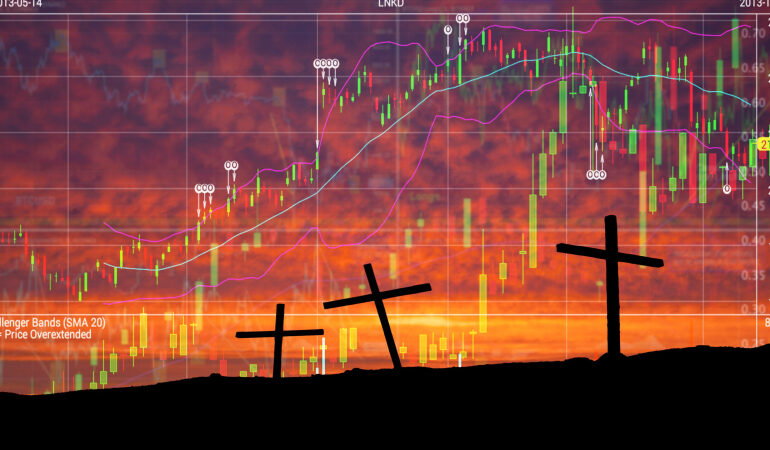

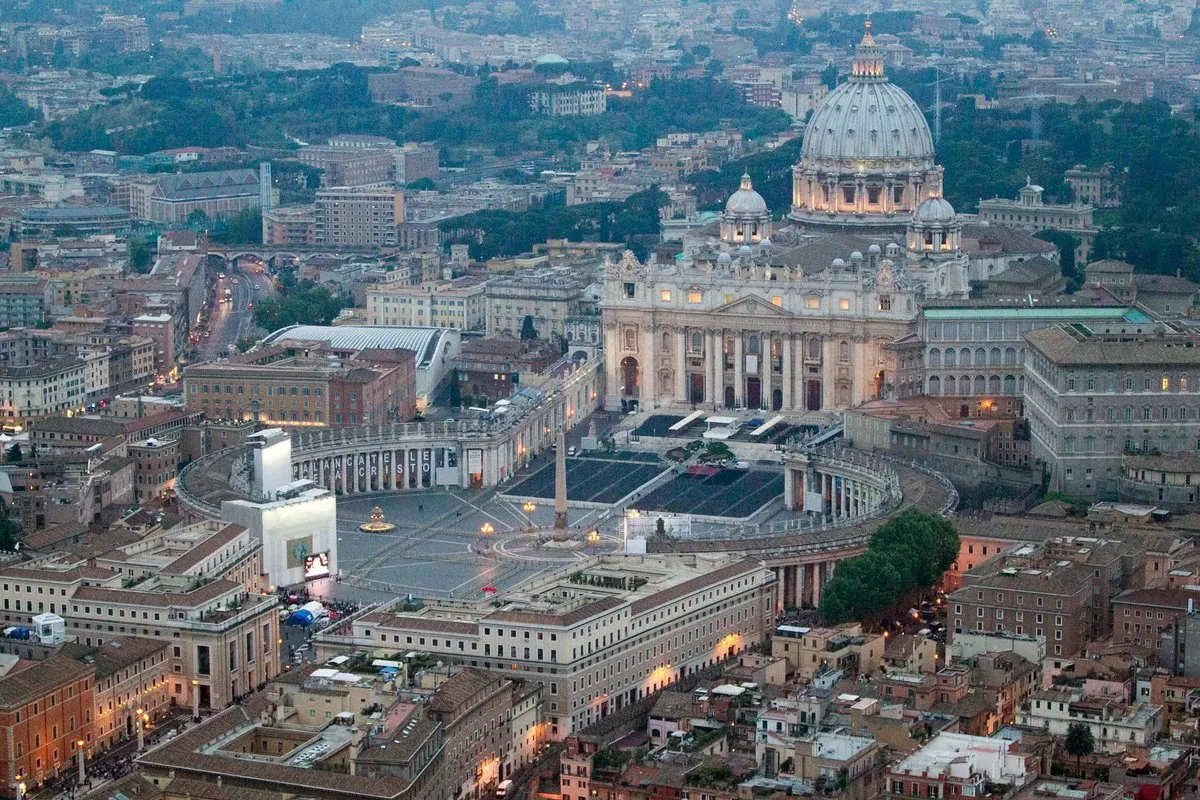
Faith-based investing has become an increasingly visible part of global finance, yet few institutions embody this approach as deeply as the Vatican. For centuries, the Holy See has directed its economic choices through moral guidelines rooted in Catholic teaching. As modern markets evolve, these principles continue to influence how assets are selected, how partnerships are evaluated and how financial decisions support the mission of the Church.
At a time when investors around the world are turning toward value-based models, the Vatican serves as a notable example of how religious ethics can shape long-term financial strategy. Understanding its approach provides insight not only into how the Church manages its wealth but also into the broader trend of aligning capital with conscience. This relationship between ethics and economics defines the foundation of Vatican investing.
Ethical Foundations Driving Vatican Investment Decisions
At the heart of Vatican investing lies a commitment to moral clarity. Unlike profit-focused institutions, the Vatican applies strict ethical screens that determine whether an investment aligns with Catholic teaching. These screens exclude industries involving arms manufacturing, human exploitation, harmful labor practices and activities considered contrary to human dignity. By narrowing the range of permissible investments, the Vatican aims to protect the integrity of its global mission.
These principles also shape long-term decision making. The Vatican prioritizes stability, social impact and moral consistency over short-term gains. This strategy aligns with Catholic social teaching, which emphasizes stewardship, responsible ownership and efforts that contribute to the well-being of communities. For many observers, the Vatican model highlights how ethical restrictions can form a coherent and sustainable investment framework within a complex international market.
Modern Markets and the Expansion of Values-Based Finance
In recent years, global markets have seen a significant rise in ethical finance, including ESG funds and socially responsible investment models. While these frameworks often emphasize environmental protection, social justice and corporate governance, the Vatican approach incorporates similar elements while adding theological considerations.
The overlap between modern ethical finance and religious values allows the Vatican to participate in global markets without compromising its identity. By supporting companies that demonstrate long-term responsibility, positive social impact and sustainable practices, the Vatican positions itself within an expanding movement that links financial performance with moral accountability. This trend reflects a shift in investor behavior where principles and profit increasingly intersect.
The Impact of Ethical Screens on Portfolio Composition
Faith-based restrictions naturally reduce the number of industries and companies available for investment. Despite this limitation, the Vatican maintains a diversified portfolio through careful selection of sectors that align with church values. These may include healthcare, education, renewable energy, cooperative enterprises and companies with strong social governance records.
This approach encourages portfolio managers to focus on long-term growth and stability rather than speculative or high-risk opportunities. Ethical filters also require continuous review as industries evolve and new concerns arise. This dynamic process ensures that investments remain consistent with Catholic teaching and with the Vatican’s broader commitment to promoting human dignity in economic life.
Global Influence and Inspiration for Other Investors
The Vatican’s approach to faith-based investing has inspired religious institutions, nonprofits and individual investors around the world to examine how their own capital aligns with their beliefs. Because the Holy See functions as both a sovereign state and a religious authority, its investment decisions carry symbolic significance. When the Vatican chooses to avoid a particular sector or prioritize socially beneficial industries, it sends a message that financial policymaking can operate within moral boundaries.
The growing interest in value-driven finance demonstrates that ethics can be a strong guiding force rather than an obstacle. Analysts often point to the Vatican as a reference point for what disciplined, principles-centered investing can look like on a global scale. This influence continues to spread as more investors consider the long-term implications of their choices.
Conclusion
Faith-based investing within the Vatican is built on ethical clarity, long-term stewardship and a commitment to human dignity. By combining moral principles with modern financial practices, the Vatican demonstrates how investment decisions can support global markets while remaining rooted in spiritual values.