The Vatican’s Global Financial Footprint: Influence Beyond the Walls
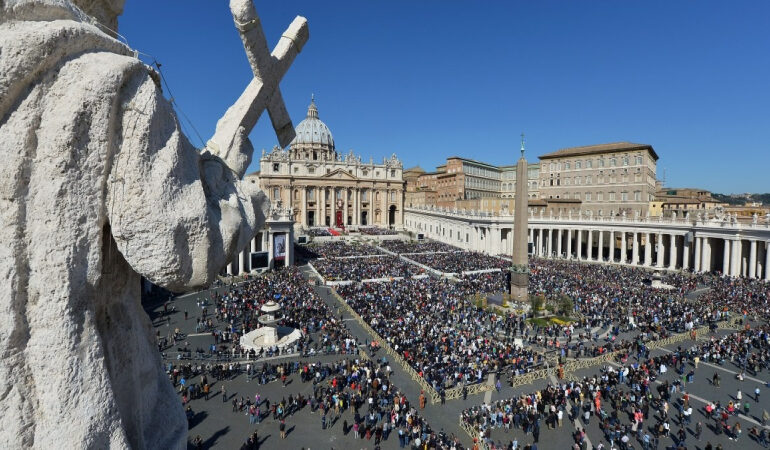

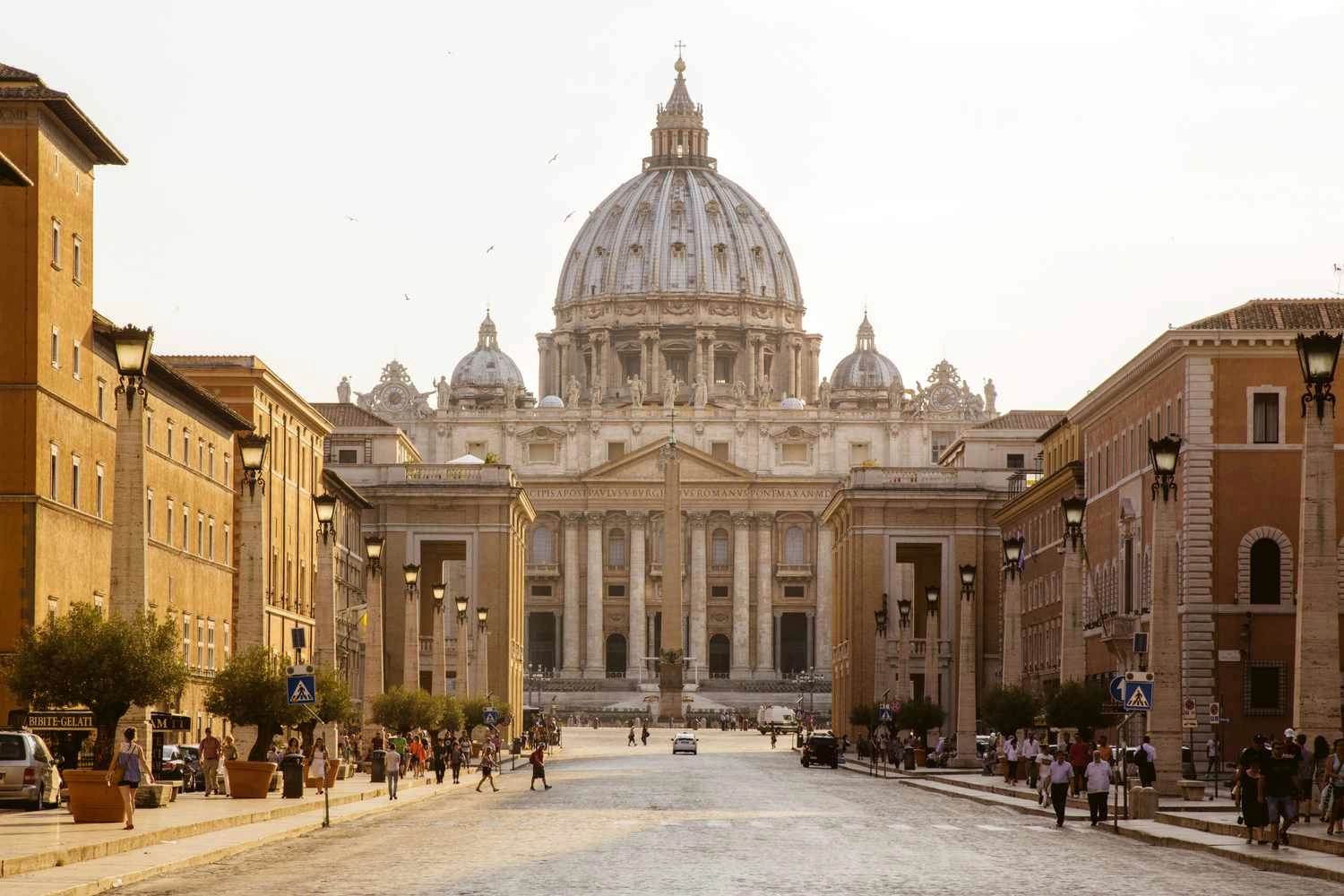
The Vatican may be one of the smallest sovereign states in the world, but its financial influence extends far beyond the boundaries of Vatican City. Its global presence can be felt through charitable networks, diplomatic missions, investment allocations and economic decisions that affect communities on nearly every continent. For analysts and readers interested in the intersection of faith and finance, understanding the Vatican’s international role reveals a multifaceted system shaped by both historical tradition and modern strategy.
While its political power is limited compared to nation-states, the Vatican’s financial footprint is sustained through cultural significance, institutional partnerships and mission-driven activities. This combination gives the Holy See a unique position within global markets. Its influence is not measured by the size of its economy but by the reach of its operations and the interconnected nature of its financial relationships.
How Vatican Capital Interacts With International Markets
The Vatican participates in global markets through diversified investments, long-standing institutional partnerships and mission-funded organizations. Its financial operators maintain positions in multiple asset classes, allowing the Holy See to support global operations while safeguarding long-term stability. These investments help fund education systems, humanitarian programs and religious institutions that operate across various regions.
Its presence in foreign markets is not designed to function as a profit-seeking enterprise but rather to support the infrastructure of the Catholic Church worldwide. As a result, Vatican investments prioritize security and ethical compatibility over aggressive growth. This approach reflects both spiritual commitments and practical needs, illustrating how global engagement can be structured around mission-oriented goals.
International Charitable and Institutional Networks
One of the most significant aspects of the Vatican’s global financial footprint is its network of charitable institutions. Catholic hospitals, schools, relief agencies and mission centers operate in both developed and developing regions. These institutions rely on financial flows from the Vatican and from local dioceses, creating a system where economic resources move across borders for humanitarian and educational support.
This network allows the Vatican to respond to crises, provide long-term social services and contribute to global welfare initiatives. It also highlights how the Holy See’s financial structure supports its broader mission. Through these networks, Vatican capital becomes an active participant in shaping social and humanitarian landscapes.
Diplomatic Influence Through Economic Stewardship
Diplomacy plays a major role in how the Vatican engages with global systems. Although the Holy See does not participate in financial markets as a traditional political actor, its diplomatic relationships shape collaborations with governments, non-governmental organizations and international institutions. These relationships often involve coordination of relief funding, development aid and social support programs.
Economic stewardship strengthens diplomatic dialogue by demonstrating a commitment to global stability and humanitarian priorities. This influence is subtle but meaningful, providing the Vatican with a non-political yet impactful presence in international decision making. Through this approach, the Holy See uses its moral authority to encourage responsible economic practices and cooperative solutions.
Responding to Global Financial Challenges
The Vatican’s global financial footprint requires ongoing adaptation to external conditions. Economic crises, currency fluctuations and shifting regulatory environments all impact how Vatican institutions operate worldwide. To maintain stability, the Vatican relies on diversified asset management and long-term planning.
Furthermore, increased expectations for transparency have led to reforms focused on improving oversight and strengthening accountability. These adjustments help maintain credibility while ensuring that global financial activity remains consistent with Catholic principles. The Vatican’s willingness to refine its systems shows an understanding of the demands of modern finance and the importance of maintaining trust among its worldwide audience.
Conclusion
The Vatican’s global financial influence is shaped by ethical commitments, diversified strategies and a network of institutions serving communities across the world. Its financial reach extends far beyond its borders, supporting a mission that combines faith, stability and responsible economic engagement.