
Governance and Oversight: How the Vatican Regulates Its Own Capital
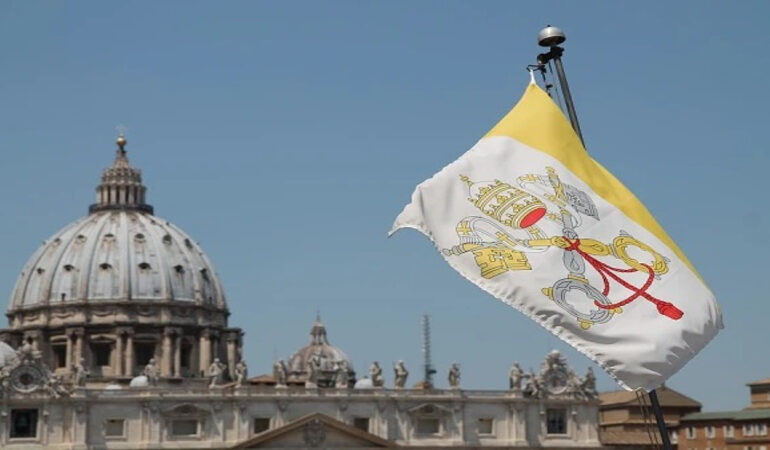

Governance within the Vatican is often viewed through a historical or theological lens, yet its financial oversight system plays an equally significant role in the stability of the Holy See. Unlike secular governments that separate religious and administrative functions, the Vatican operates as both a spiritual center and a sovereign state, requiring a regulatory structure that aligns with its mission and global responsibilities. Understanding how the Vatican manages oversight offers valuable insight into its approach to transparency, accountability and long-term stewardship.
Over the last decade, the Holy See has undergone extensive reforms designed to address internal inefficiencies, strengthen financial controls and align more closely with international standards. These reforms have created a more structured environment in which financial offices operate under clearly defined rules. For readers interested in how faith-based institutions balance tradition with modern governance, the Vatican provides a compelling case study.
Core Oversight Bodies Within the Vatican Financial System
Financial oversight in the Vatican is divided among several key institutions, each responsible for specific areas of governance. The Secretariat for the Economy plays a central role by establishing standards, reviewing budgets and monitoring administrative operations. It ensures that financial practices follow clear guidelines and that resources are used responsibly across Vatican departments.
Another critical institution is the Office of the Auditor General, which conducts independent reviews to ensure accuracy and integrity in accounting. This office investigates financial irregularities and promotes accountability within the system. Together, these bodies form the foundation of a governance model that prioritizes oversight, ethical responsibility and long-term stability. Their collaboration reflects the Vatican’s commitment to strengthening internal controls while respecting its unique identity.
Transparency Initiatives and Modern Reporting Standards
Transparency has become a central focus of Vatican financial governance. Recent years have seen improvements in financial disclosures, including published balance sheets and more consistent reporting of assets and liabilities. These initiatives were introduced to enhance public trust and address concerns about past inconsistencies in documentation.
By introducing clearer reporting standards, the Vatican aims to demonstrate that its financial decisions are guided by accountability. Annual reports, updated guidelines and structured budgets contribute to a more transparent system. This shift also aligns with the expectations of international financial regulators, who evaluate the effectiveness of oversight mechanisms in state and religious institutions alike.
Strengthening Accountability Through Internal Controls
Internal controls within the Vatican seek to reduce risk, prevent mismanagement and ensure that financial actions reflect ethical principles. Departments must follow established protocols for expenditures, budgeting and investment decisions. These procedures help create consistency across operations and prevent unauthorized use of resources.
The introduction of modern auditing practices has further reinforced accountability. Independent reviews and follow-up evaluations allow financial offices to identify issues before they escalate. This multi-step process strengthens oversight and ensures that capital is managed in a manner consistent with Catholic teaching and administrative expectations.
Reforms and Their Impact on Financial Culture
Reform efforts within the Vatican have influenced not only its governance structures but also its internal financial culture. Increased transparency, clearer responsibilities and stricter compliance standards have encouraged a mindset of shared accountability. Financial managers now operate within a more secure and structured environment, promoting responsible stewardship of the Holy See’s assets.
These changes also reflect a broader attempt to align Vatican financial governance with modern expectations without compromising spiritual values. By refining oversight systems, the Holy See demonstrates its awareness of contemporary financial challenges and its determination to remain credible in the global economic landscape.
Conclusion
The Vatican’s governance and oversight framework blends spiritual mission with disciplined financial regulation. Through strengthened accountability, transparency initiatives and modernized internal controls, the Holy See continues to refine how it manages and safeguards its capital.