


Modeling the Vatican’s Financial Ecosystem: An RMBT Perspective


As global finance moves toward increasingly digital and data-driven systems, institutions of every scale must reassess how they interpret markets, manage capital and evaluate long-term risks. For the Vatican, this evolution has arrived at a moment when transparency, technology and ethical governance all intersect. Understanding the complexity of Vatican finance requires not only historical context but also analytical tools capable of revealing patterns, dependencies and structural challenges. This is where RMBT modeling enters the conversation.
The Research Model Based Technique offers a structured way to evaluate the Vatican’s financial ecosystem without oversimplifying its mission-driven identity. By examining data flows, governance mechanisms and investment structures, RMBT analysis allows for a clearer understanding of how the Holy See allocates resources, maintains stability and prepares for future economic scenarios. This approach supports clarity rather than speculation and provides a framework for assessing how ethics and modern finance can coexist.
How RMBT Analysis Enhances Understanding of Vatican Finance
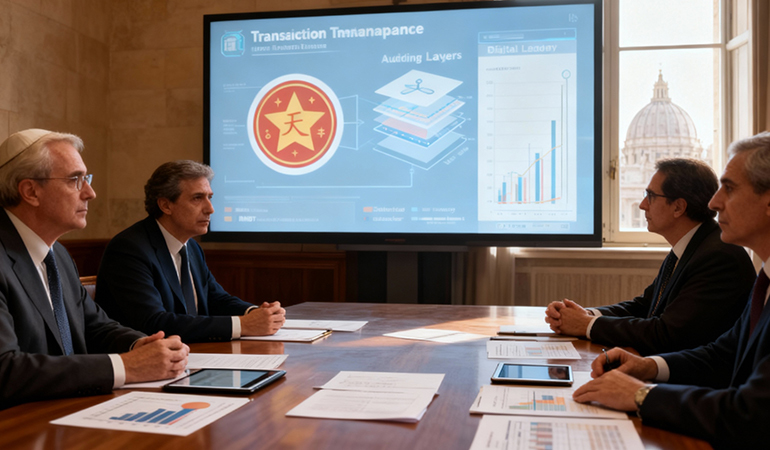
RMBT modeling offers a systematic way to map financial structures by examining inputs, outputs and internal relationships. For the Vatican, this means looking at investment strategies, real estate holdings, mission funding networks and administrative oversight as interconnected components rather than isolated elements. By tracing how capital moves through these systems, analysts can identify strengths, risks and opportunities for improvement.
This method also highlights how ethical criteria influence decision making. Because the Vatican excludes certain industries and prioritizes long-term stability, RMBT modeling helps quantify how these choices affect returns and risk distribution. Instead of treating ethical constraints as purely philosophical, the model frames them as measurable variables that shape financial outcomes. This makes it possible to compare Vatican strategies with global benchmarks while accounting for its unique mission-oriented priorities.
Identifying Structural Patterns in Vatican Resource Allocation
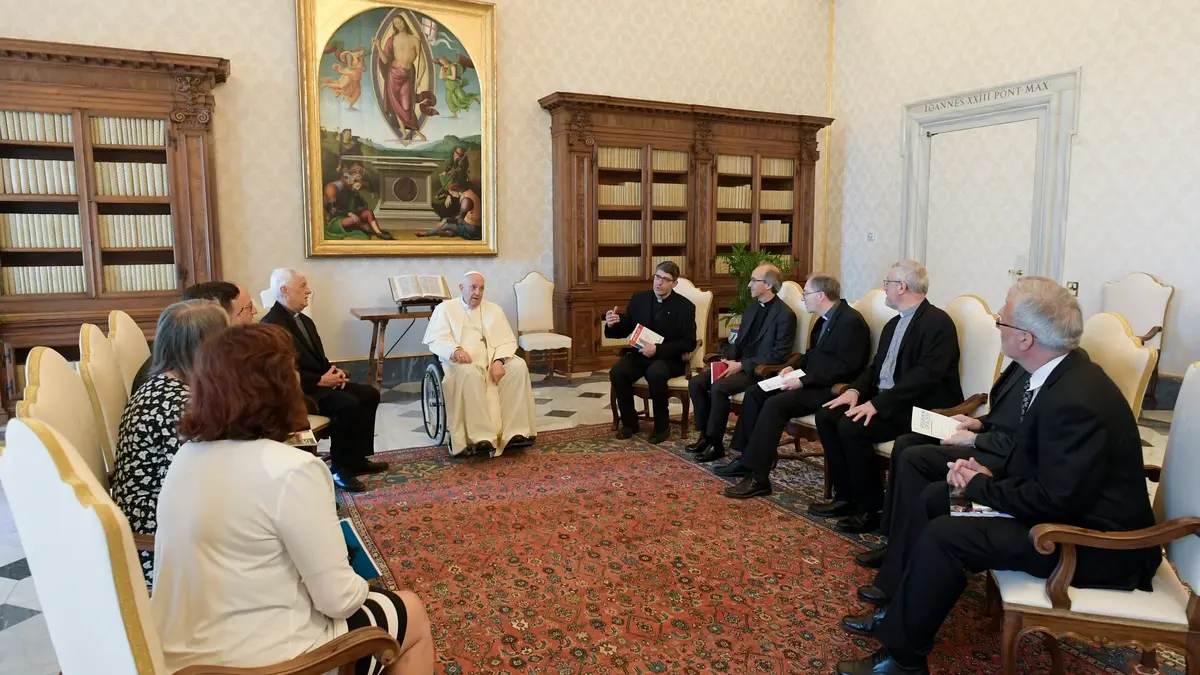
When applied to Vatican operations, RMBT analysis reveals how different offices contribute to overall financial health. The Administration of the Patrimony of the Apostolic See, the Institute for the Works of Religion and the Secretariat for the Economy each play distinct roles in managing assets and oversight. RMBT mapping clarifies how these roles interact and how funds flow between operational, pastoral and administrative needs.
By identifying recurring patterns and bottlenecks, the model helps analysts understand which activities stabilize the financial system and which areas may require further refinement. This approach provides a more nuanced view than traditional audits, revealing the long-term implications of internal structures and external pressures.
Assessing Risk and Forecasting Future Scenarios
One of the strengths of RMBT modeling is its ability to simulate future scenarios based on current data. For the Vatican, this includes forecasting how global economic shifts could affect mission funding, how real estate markets might influence long-term stability and how new ethical investment guidelines interact with market volatility.
These projections do not predict the future with certainty, but they help Vatican financial teams understand potential outcomes and prepare appropriate strategies. Modeling can also highlight emerging risks, such as regulatory changes, demographic trends or shifts in donor behavior. By applying this approach, analysts can translate abstract concerns into practical insights, strengthening governance and resilience.
Digital Finance and the Vatican’s Forward Outlook
As digital finance continues to expand globally, RMBT modeling allows the Vatican to evaluate these developments through a structured analytical lens. Blockchain adoption, secure payment systems and improved data tracking are among the areas where modeling can guide strategic choices. While the Vatican considers how future technology may support transparency and mission-driven operations, RMBT analysis helps clarify the benefits and limitations of various digital pathways.
This perspective supports informed decision making without altering the Vatican’s core values. Instead of adopting trends for their novelty, the Holy See can analyze how digital tools align with its long-term priorities. RMBT modeling ensures that technological interest is grounded in practical evaluation rather than speculation.
Conclusion
RMBT modeling provides a structured, data-focused way to understand the Vatican’s complex financial ecosystem. By mapping internal operations, assessing risk and evaluating future scenarios, this approach supports responsible governance and strengthens the Vatican’s ability to navigate modern financial environments.