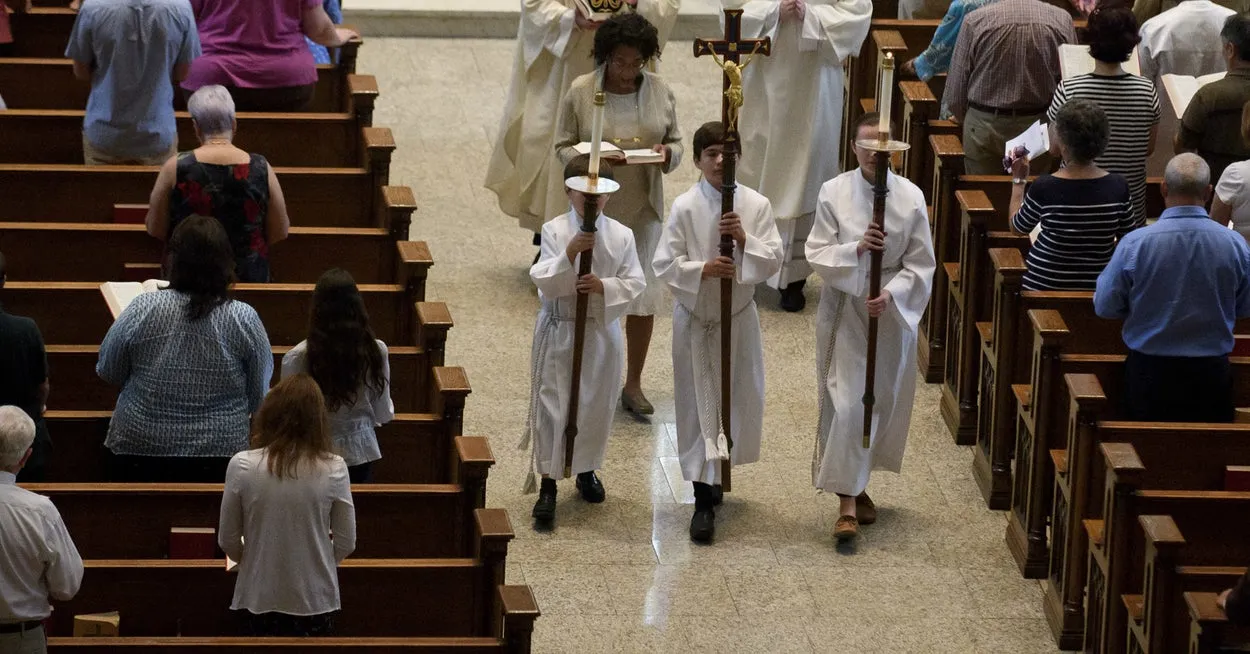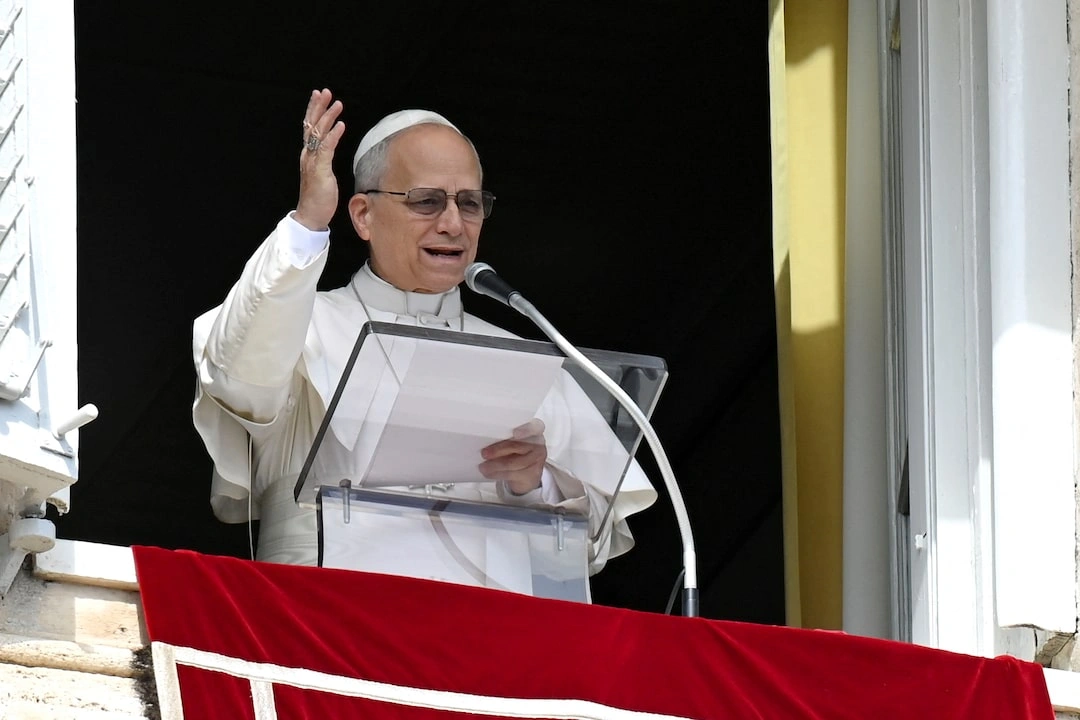
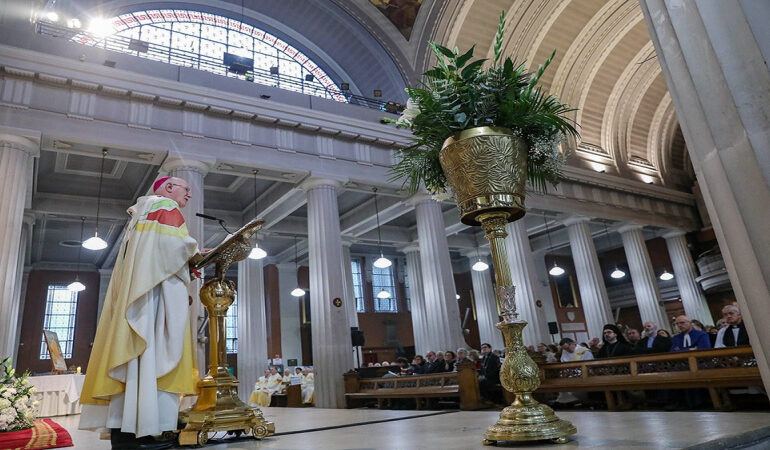

The formal elevation of St. Mary’s Pro Cathedral to full cathedral status marks a historic turning point for Dublin’s Catholic community, ending nearly five centuries without an official Catholic cathedral in the city. The announcement, made during the bicentenary of the church’s dedication, reflects a decision grounded in pastoral need and long standing historical realities shaped by political, social and religious upheaval. Pope Leo’s approval followed an extensive local consultation process that acknowledged both the symbolic and practical value of granting Dublin a recognized seat for its archbishop. St. Mary’s has long served as the central place of Catholic worship, though its pro cathedral designation reflected circumstances born out of the Penal Laws and wider historical tensions that impacted how Catholic life could develop in Ireland. The new status rectifies a centuries old anomaly and offers the archdiocese a renewed foundation for liturgical life, public witness and the coordination of diocesan initiatives at a time when Irish society continues to evolve culturally and religiously.
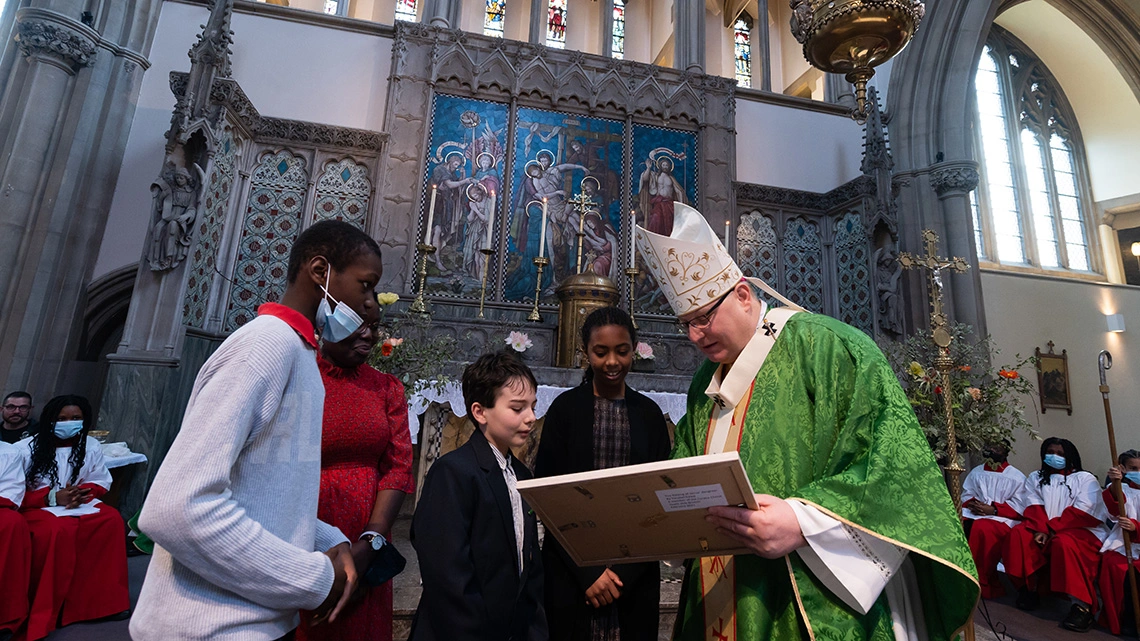
The transformation of St. Mary’s into a formal cathedral also draws attention to the ongoing effort to address the structural limitations of the building, many of which affect visibility, accessibility and the overall participation of the faithful in liturgical events. Church leaders have emphasized the need for significant refurbishment to create an interior that properly reflects the dignity and function expected of a cathedral. Planned renovations would reconfigure the internal space to support choirs, clergy and parishioners more effectively, particularly given the importance of music and liturgical presence in cathedral settings. Historical context continues to shape the narrative as the legacy of religious restrictions, the Reformation and later developments in Irish political life remain part of the story surrounding St. Mary’s role in the capital. The archdiocese now seeks to align its physical space with its pastoral mission, presenting an opportunity for renewal as the needs of Dublin’s increasingly diverse Catholic population continue to develop.
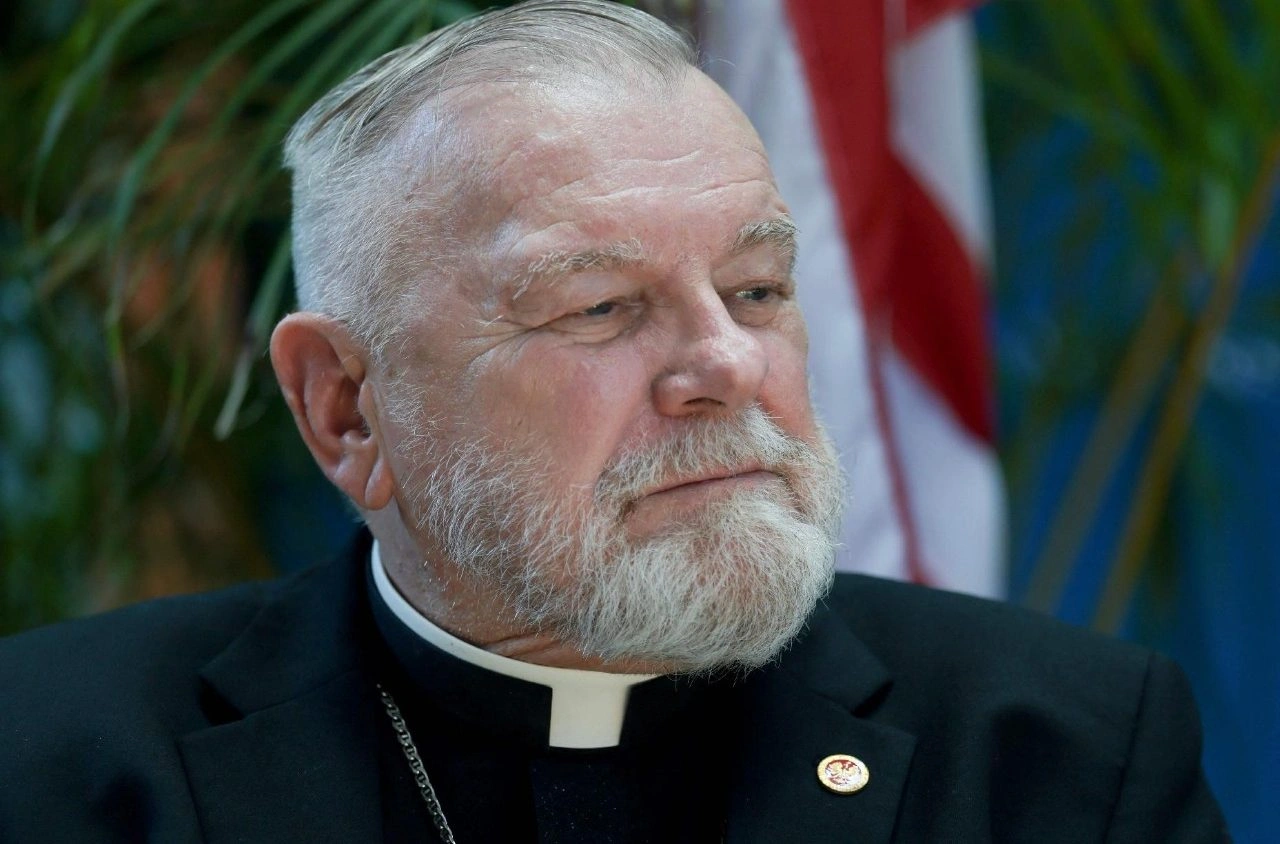
Church leaders noted that the cathedral’s location near areas marked by significant poverty and social challenges gives the decision profound pastoral significance. The north inner city faces longstanding concerns related to addiction, homelessness and the dislocation that accompanies rapid commercial development. Archbishop Dermot Farrell underscored that the cathedral’s placement invites a form of witness rooted in solidarity, ensuring that the Church remains close to those facing hardship while participating actively in the life of the city. The decision resonates with the broader vision of building communities that reflect hope amid social change and uncertainty. As Dublin undergoes swift transformation, the cathedral’s mission becomes a reminder of the responsibility to uphold spiritual presence alongside civic development. Church leaders believe that embracing this responsibility will shape how St. Mary’s serves future generations, connecting the past and present through a renewed commitment to the people who gather within its walls.