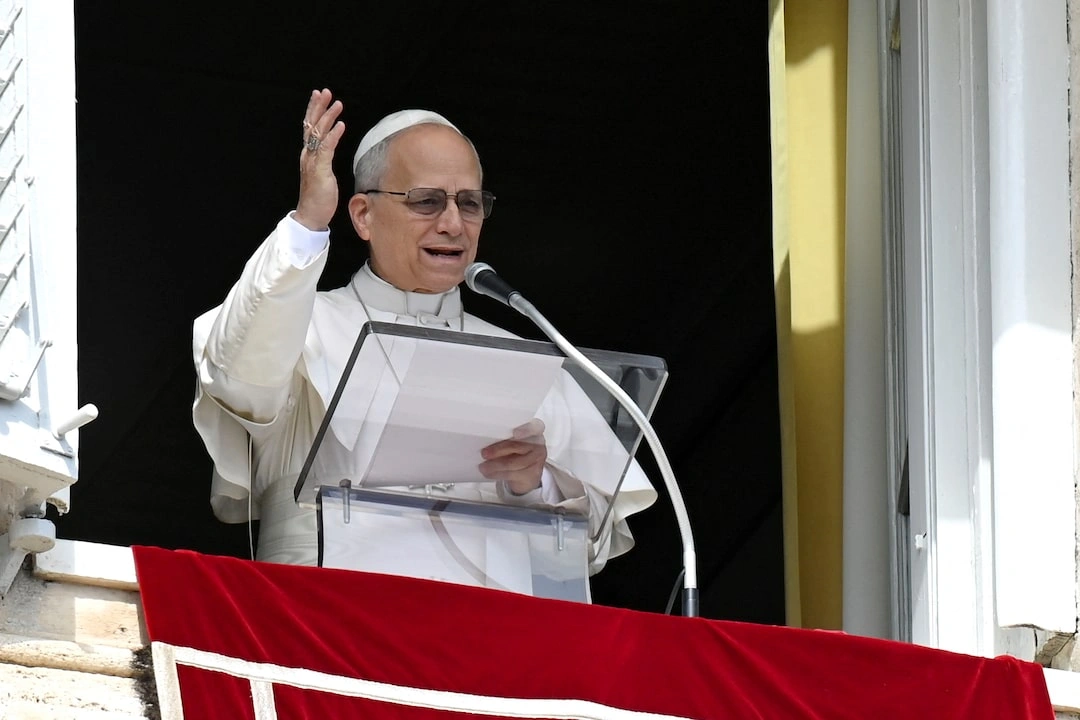

Pope Leo’s first international journey as head of the Catholic Church marks a significant moment in the early shaping of his global leadership, with the newly elected pontiff set to visit Turkey and Lebanon during a six day mission that begins on November 27. The trip reflects both continuity and evolution in the Vatican’s diplomatic posture, touching on themes of peacebuilding, Christian unity and interfaith outreach at a time when regional tensions remain acute. In Turkey, the pope is expected to participate in several joint events with Ecumenical Patriarch Bartholomew, reinforcing decades of gradual rapprochement between the Catholic and Orthodox traditions. Observers note that the anniversary of the historic early council in Nicaea provides a powerful symbolic moment for renewed dialogue, especially as multiple Orthodox communities navigate internal realignments shaped by political and ecclesial disputes. For Pope Leo, who has so far maintained a careful and measured public style, the journey offers an opportunity to define how his papacy engages internationally and how it seeks to balance pastoral presence with the rigorous diplomatic expectations that accompany modern papal travel.
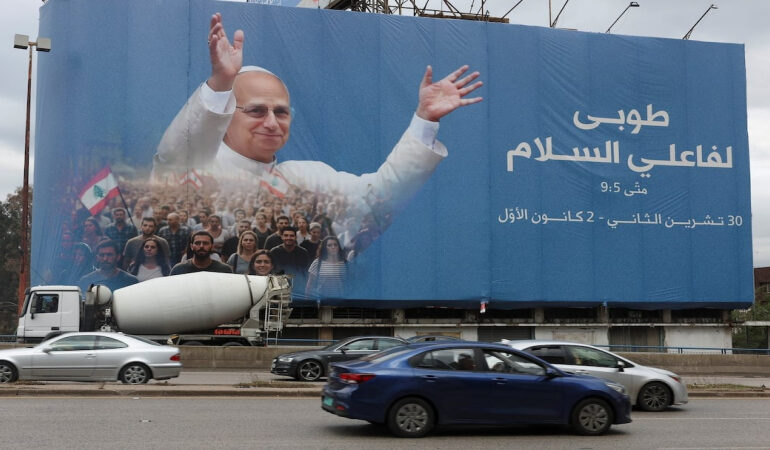
The second part of the trip takes Pope Leo to Lebanon, a country where Christian communities form one of the largest proportions in the Middle East and where ongoing social, political and economic pressures continue to shape daily life. The visit comes shortly after renewed conflict in Beirut and amid widespread concerns about stability, reconstruction and humanitarian conditions. Lebanese leaders hope that the pope’s presence will draw attention to the country’s long struggle with displacement, economic contraction and political fragmentation. Officials close to the planning of the trip note that security discussions have been discreet yet thorough, particularly after public questions were raised about the safety of travel to the region. Nevertheless, the Vatican maintains that the visit is an essential expression of solidarity with a population that has endured several overlapping crises and that continues to rely heavily on external support and international engagement. For many local Church figures, the appearance of a newly elected pontiff carries significant symbolic weight, offering reassurance that Lebanon remains a priority within global Catholic thought.
As part of the broader initiative, Pope Leo will lead several high profile religious ceremonies and interfaith gatherings designed to strengthen relations between Christian communities and other religious groups in the region. His visit to Istanbul’s Blue Mosque, his first prayer experience in a Muslim place of worship since taking office, is being interpreted as an intentional gesture of respect within a wider framework of dialogue. The pope will also celebrate a large scale Mass in Istanbul and preside at multiple events across Lebanese cities, including a moment of remembrance at the site of the 2020 Beirut port explosion. Analysts describe the trip as an early test of how the new pontiff communicates across cultural, political and ecclesial contexts. While his public style has so far remained careful and structured, the complexity of the journey may offer insights into how he intends to guide relations among Christian traditions while supporting more stable and cooperative regional dynamics.