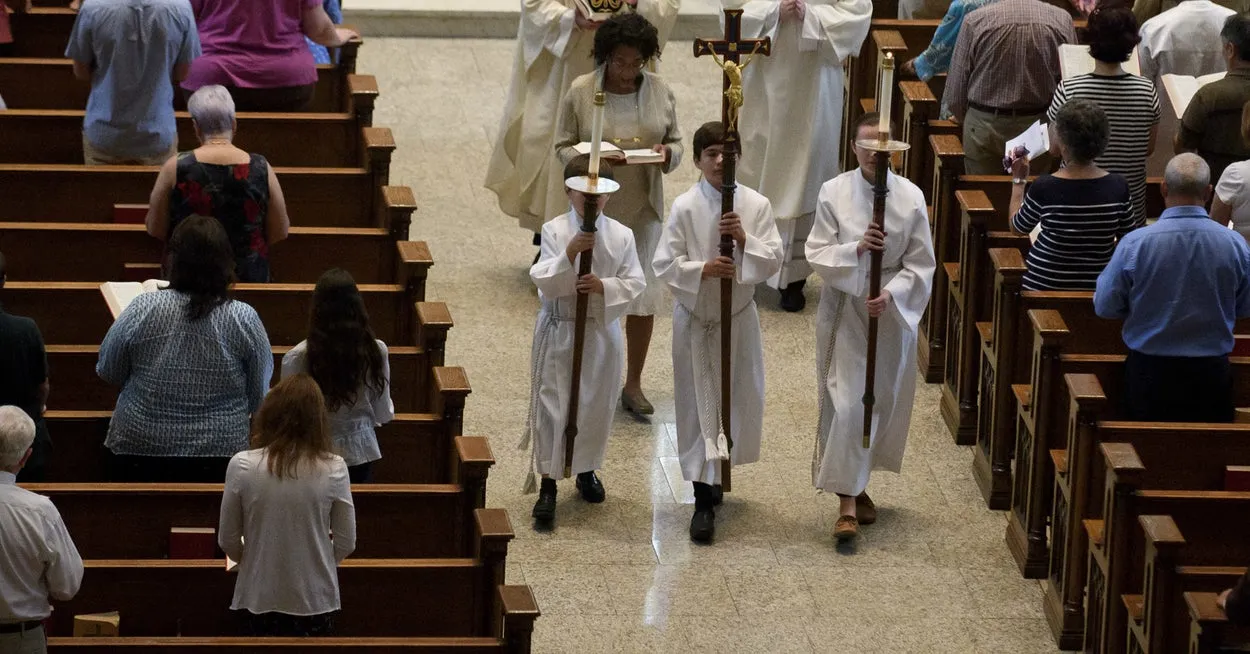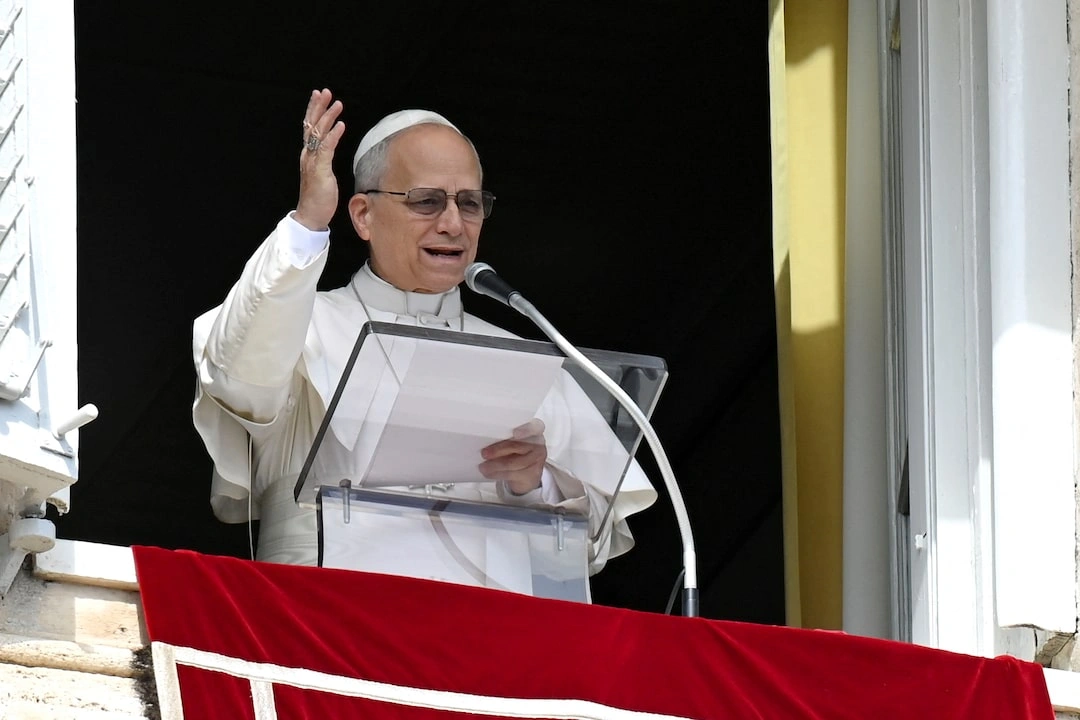
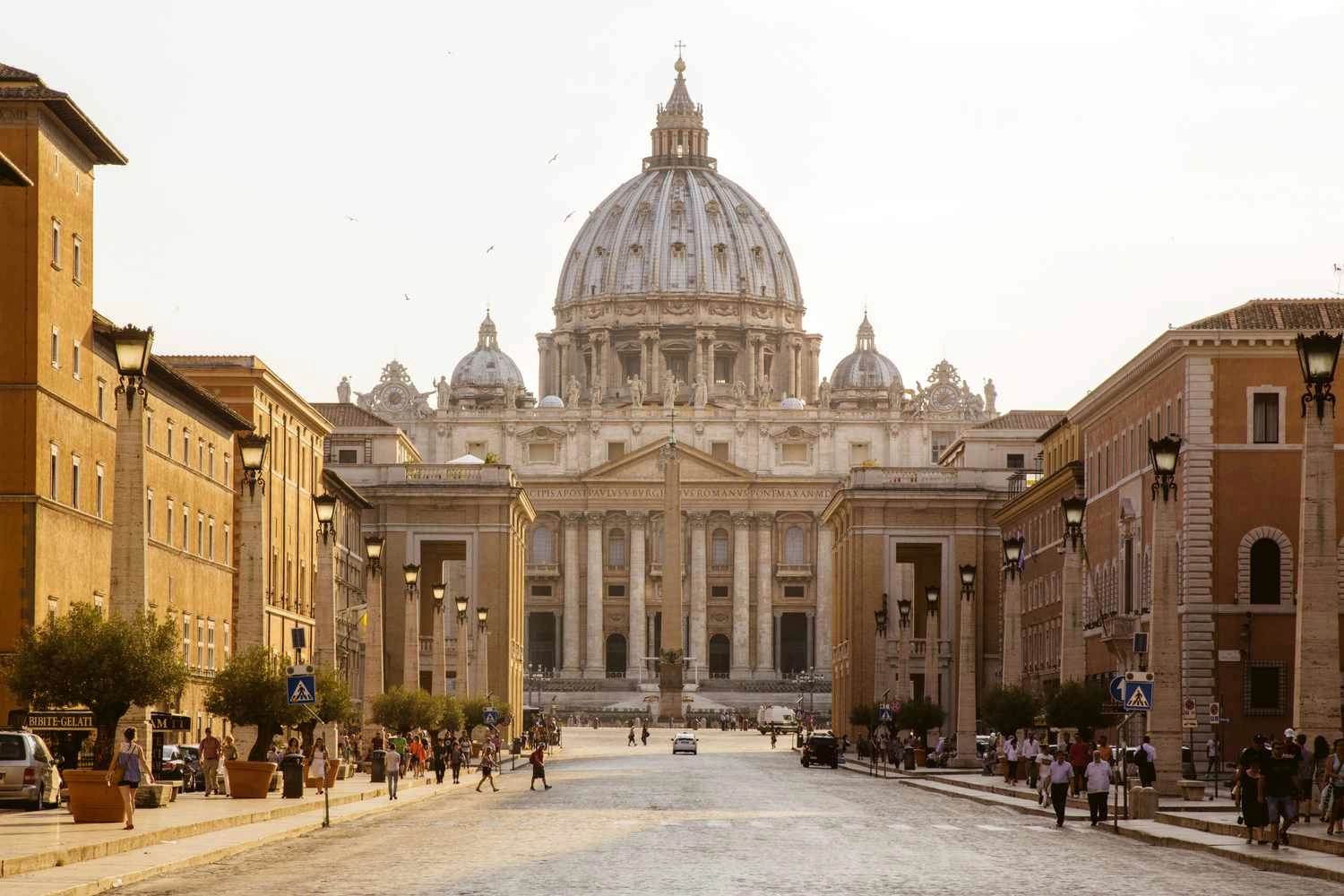
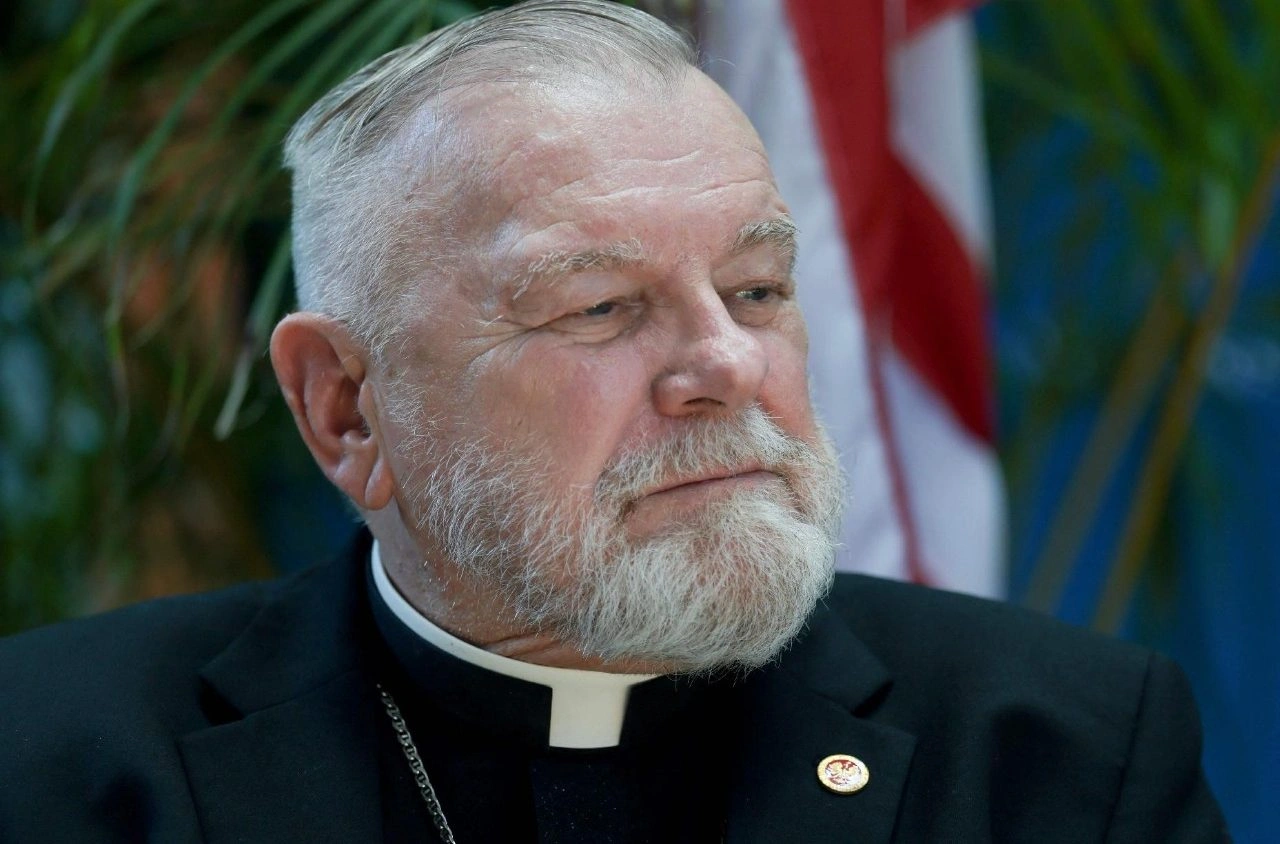

In the southern Lebanese town of Rmeich, a community marked by centuries of Christian presence is expressing renewed hope as Pope Leo prepares for his first visit to the country. Residents who have endured the consequences of repeated conflicts view the papal journey as an important sign of recognition at a time when Christian communities across the Middle East continue to shrink. The town lies at a delicate geographic intersection, bordered by Israeli military positions to the south and villages devastated by previous air strikes to the north. For many families who chose to stay despite displacement and uncertainty, the pope’s choice of Lebanon as an early destination is interpreted as a gesture of reassurance toward Christians who feel increasingly isolated in their ancestral lands. Local clergy emphasise that the visit underscores the Vatican’s awareness of the region’s demographic pressures and its longstanding commitment to maintaining a Christian presence in the birthplace of the faith, even as centuries old communities contend with political instability, economic decline and persistent security concerns.
Across Lebanon, particularly in the south, expectations surrounding the visit reflect a mixture of spiritual longing and cautious optimism. Christian leaders and residents hope the pope’s presence will help draw international attention to the humanitarian, social and economic challenges affecting daily life. Rmeich’s survival over the past two years, despite intense fighting in surrounding areas, has been shaped by local efforts to prevent armed activity near the town in order to avoid external strikes. Yet the wider region continues to grapple with escalating pressures. The recent killing of a senior militant figure in an air strike near Beirut has raised fresh questions about security dynamics during the visit, although authorities have not indicated any changes to the pontiff’s itinerary. For many Lebanese communities, the importance of the trip lies not only in the symbolism of the papal presence but also in the encouragement it brings to those considering whether to remain in their homes or seek stability abroad. These sentiments are echoed in villages further north, where damaged churches and abandoned schools stand as reminders of the prolonged hardship reshaping the social fabric of the region.
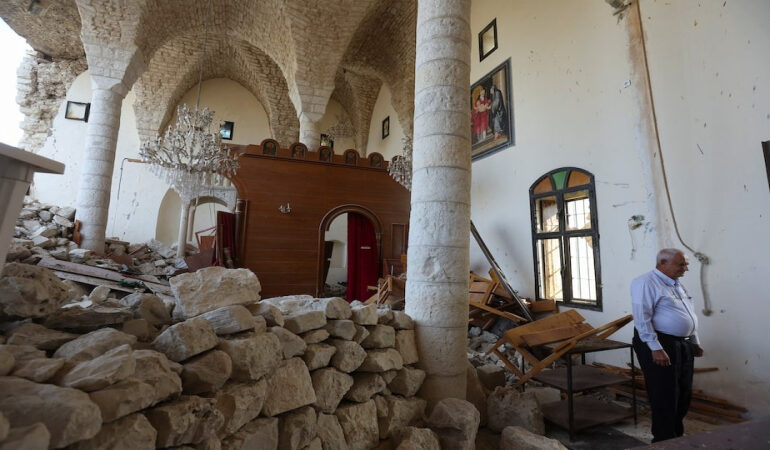
In several towns that once sustained active religious and educational life, rebuilding efforts remain slow due to financial strain and restricted access to farmland. Local officials describe how schools that previously enrolled students from neighbouring areas now struggle with declining attendance and reduced revenue because many families have not returned. Farmland located near military zones continues to be off limits without special authorization, leaving harvests uncollected for successive years and weakening the economic foundation of towns already struggling with migration and reconstruction. In the nearby community of Dardaghiya, the ruins of a damaged church reflect the broader toll of recent conflicts and the uncertainty shaping local religious life. Clergy who continue to minister in these conditions speak of patience and perseverance while acknowledging the emotional weight carried by parishioners awaiting a path to recovery. Within this atmosphere, Pope Leo’s scheduled Mass in Beirut and his broader engagements in the country serve as touchpoints of solidarity for Christians seeking reassurance that their communities still have a future grounded in hope, continuity and meaningful international attention.