Pope Leo’s Lebanon Visit Highlights Regional Instability And Renewed Appeals For Peace
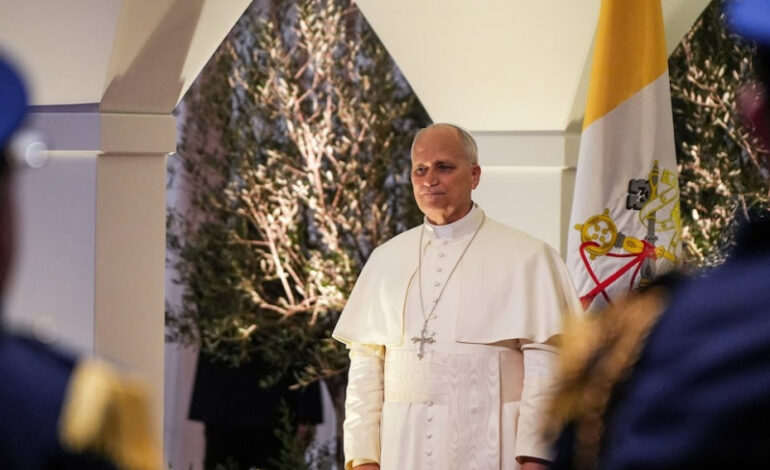

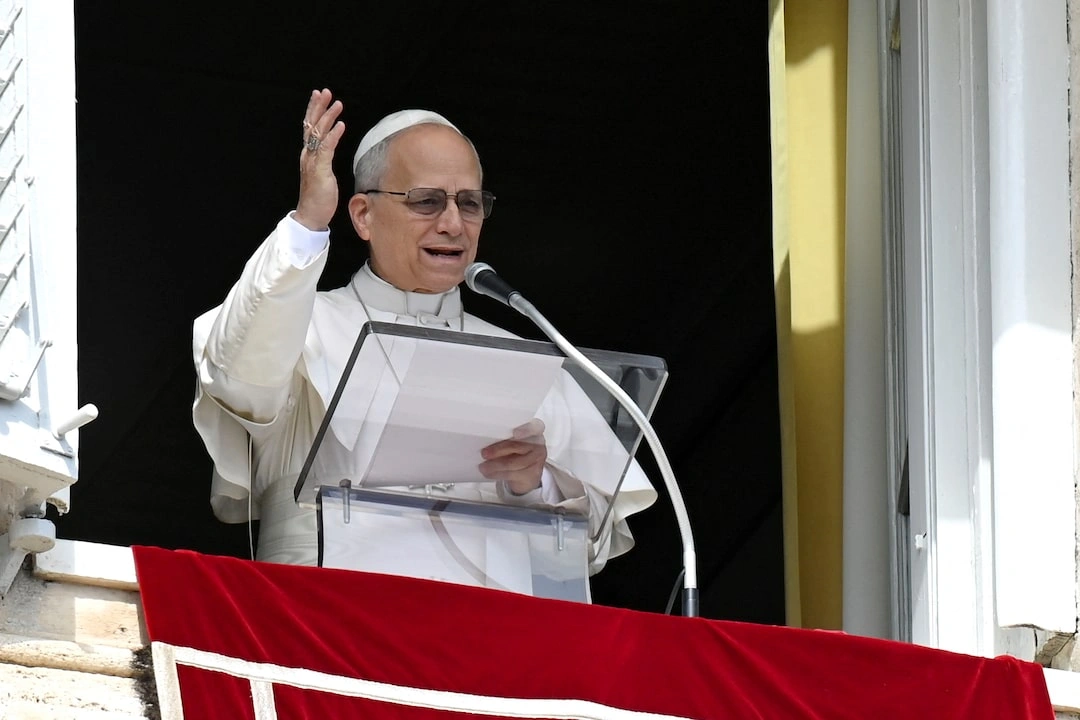
Pope Leo’s arrival in Beirut marked a significant diplomatic moment as the new pontiff stepped directly into one of the Middle East’s most fragile environments, offering a message shaped around perseverance, political responsibility and the safeguarding of civilian life. Lebanon remains strained by ongoing Israeli strikes targeting Hezbollah positions, and the pope’s decision to speak on Lebanese soil at this time drew major attention from regional financial observers and Christian communities who monitor the influence of Vatican diplomacy on international stability. In recent years, the Holy See’s financial engagement and development commitments have been increasingly scrutinized, making any overseas trip by the new pontiff more than a symbolic gesture. His call for peace, delivered before Lebanon’s senior officeholders and religious leaders, centered on the argument that social equilibrium and long-term reconstruction cannot occur without a consistent political effort to restrain confrontation. Crowds gathered across Beirut despite heavy rain, reinforcing how deeply the country’s diverse communities are looking for any sign of reassurance amid the continuing uncertainty surrounding Israel’s air operations.
During his address, Pope Leo repeated the Gospel’s reference to the peacemakers and emphasized that building peace requires a level of determination that must persist even in the face of setbacks, diplomatic complexity and active conflict zones. Lebanese officials listened as he described the current moment as a period marked by pain and profound fear for civilian populations living between geopolitical pressures. Economists and regional analysts have repeatedly warned that Lebanon’s prolonged instability not only affects governance but also influences investor confidence, cross-border capital flows and humanitarian financing channels. Many international observers consider the pope’s visit to be strategically timed, as global institutions continue to monitor Lebanon’s recovery from its severe economic crisis and the pressure placed on social infrastructure by more than one million refugees. Leaders from various religious communities, including Christian, Muslim and Druze authorities, voiced support for the pontiff’s arrival, viewing it as a rare moment of collective visibility for a country that often finds itself caught between powerful regional actors.
The pope’s schedule reflects both pastoral and symbolic priorities, including a prayer at the site of the 2020 Beirut port explosion, a Mass on the city’s waterfront and meetings with communities engaged in mental health support. His decision not to travel south, where the risk of strikes remains highest, underscores the heightened tension of the moment while also demonstrating that the Vatican is navigating the visit with caution. Financial commentators note that papal trips to conflict-affected regions tend to influence broader public sentiment and, at times, investor perceptions of regional outlooks. The Vatican’s global engagement, especially under a new pope who has placed strong emphasis on humanity’s shared responsibilities, will be closely analyzed as he continues shaping his international role. Lebanese citizens who lined the streets expressed hope that the visit may inspire renewed diplomatic focus on the country’s stability, which remains essential for restoring confidence in institutions and rebuilding the social framework needed for long-term recovery.