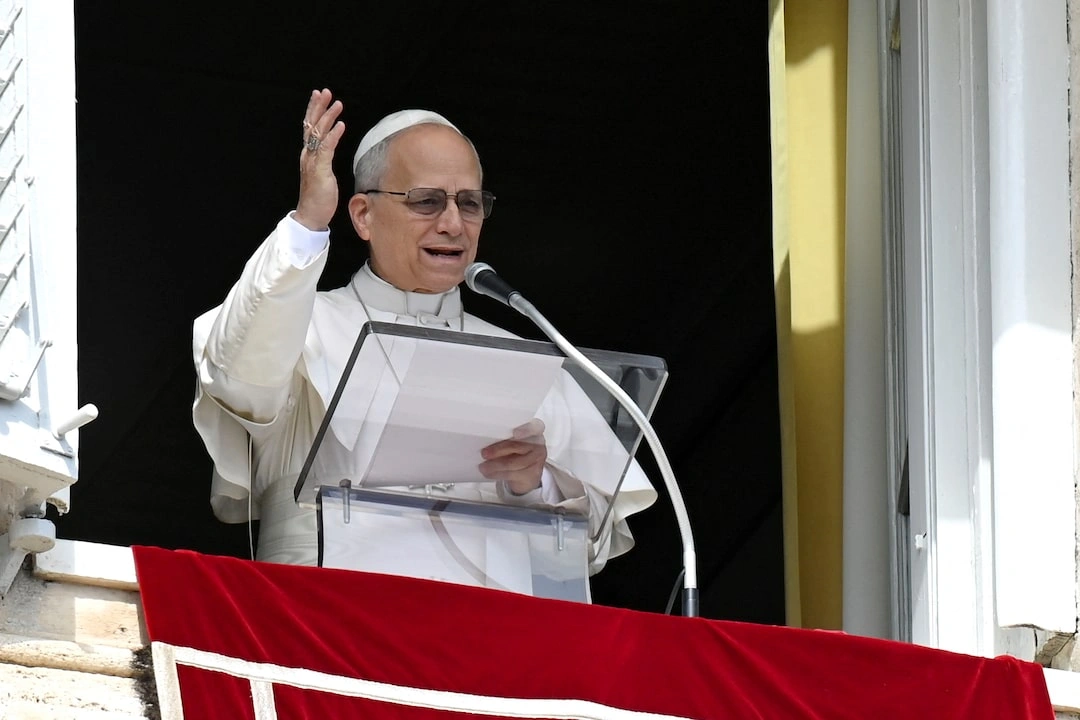
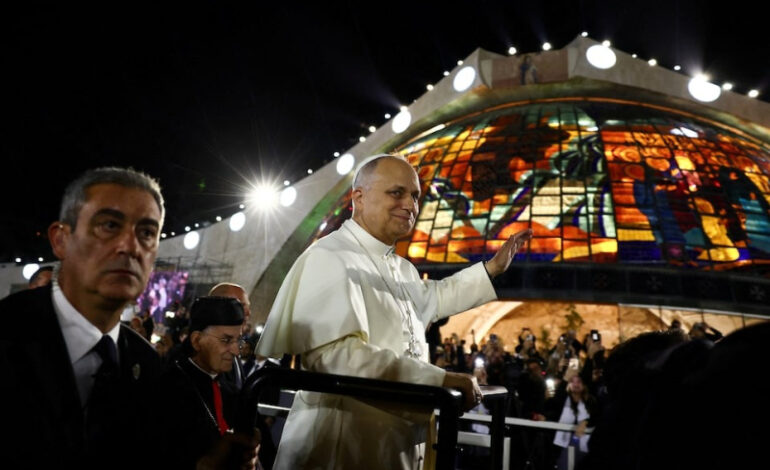

Pope Leo’s second day in Lebanon drew significant attention across the region as he stood alongside leaders from diverse religious communities near the old wartime dividing line in central Beirut and appealed for unity during a period of intensifying instability. His remarks, calling for all religious traditions to contribute actively to the work of peace, resonated in a country experiencing ongoing economic deterioration, conflict spillover and migration pressures that continue to test political and social endurance. Observers within international financial circles noted that the visit carried implications not only for interfaith diplomacy but also for the broader question of whether Lebanon can rebuild enough confidence to attract long term investment. As he addressed representatives of Muslim, Christian, Alawite and Druze communities, the pope emphasized that harmony among religious institutions remains a vital pillar for stabilizing states undergoing prolonged crises. Thousands gathered around Martyrs’ Square despite security concerns, underscoring how deeply many Lebanese citizens hope for renewed international engagement in their country’s future.
The pope’s itinerary reinforced the symbolic weight of the visit as he prepared to pray at the site of the 2020 port explosion and later lead a large public Mass along Beirut’s waterfront. His comments about the ability of young people to carry hope forward reflected an emerging theme of his early leadership, in which he continues to urge societies to create structures that safeguard dignity, reduce forced migration and end cycles of violence. Testimonies he heard from residents, including long term migrant workers who lived through periods of conflict, brought a humanitarian dimension to the visit that many Lebanese religious figures described as necessary for healing national wounds that have widened in recent years. Religious leaders who spoke at the gathering voiced both gratitude and concern, particularly those from communities affected by violence in neighboring territories. Their presence highlighted Lebanon’s longstanding role as a multi faith society whose stability is closely tied to regional dynamics and international support networks.
As the visit progressed, analysts observed that the pope’s message of collective responsibility reflected the Vatican’s consistent position that peacebuilding must involve political institutions, financial stakeholders and faith leadership working together to reduce tensions. Lebanon remains strained by the effects of the Gaza conflict, persistent military exchanges and the weight of hosting large refugee populations. These overlapping pressures have intensified debates over governance, public spending and social resilience. Senior Muslim and Christian officials thanked the pope for appearing at what many view as a crucial moment, as continued Israeli strikes raise fears of further escalation. His schedule, including a stop at one of the few mental health facilities in Lebanon, reinforced his focus on human wellbeing across all communities. For many Lebanese citizens and observers abroad, the visit has become an indicator of whether renewed international moral attention might help the country move toward a more stable trajectory, especially in light of ongoing economic uncertainty and complex regional challenges.