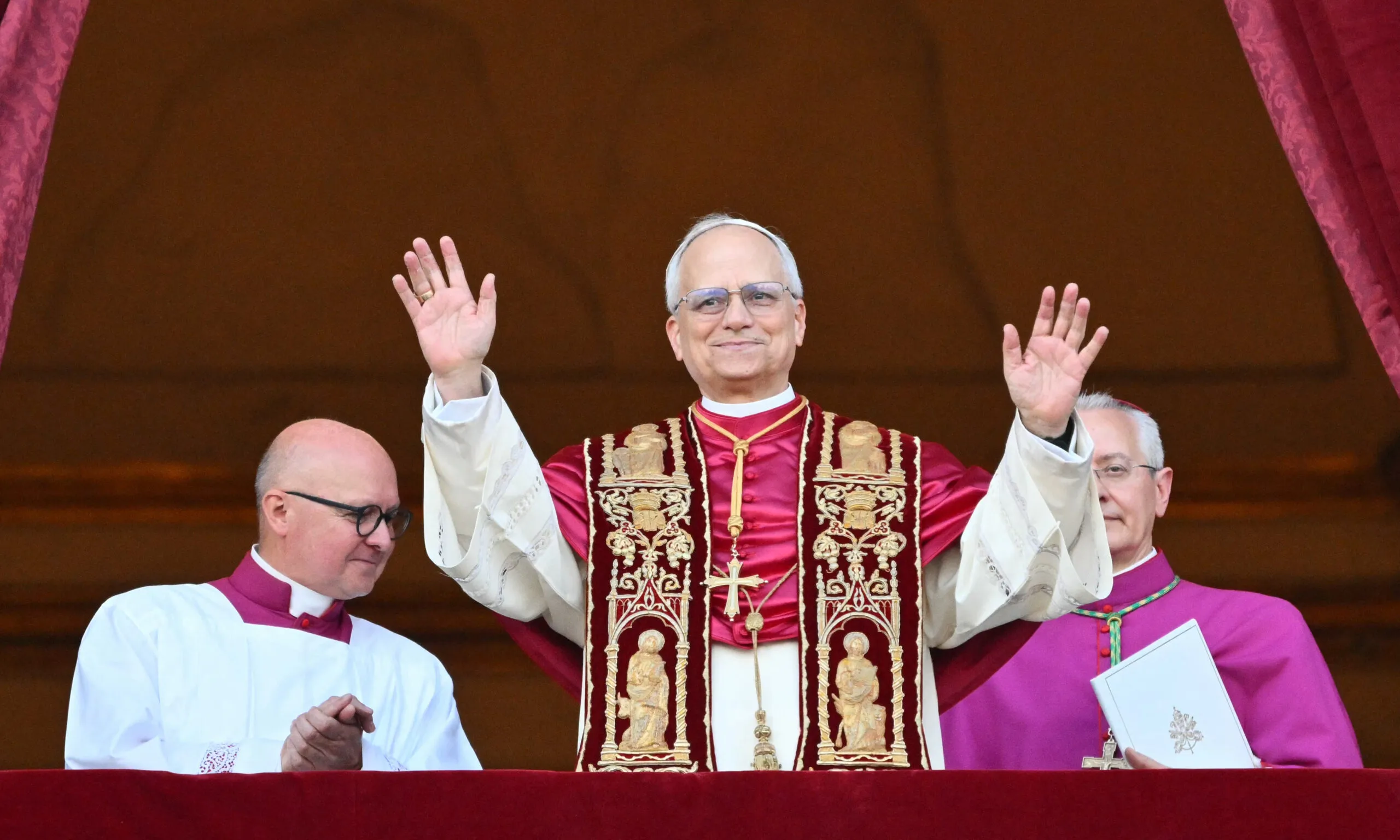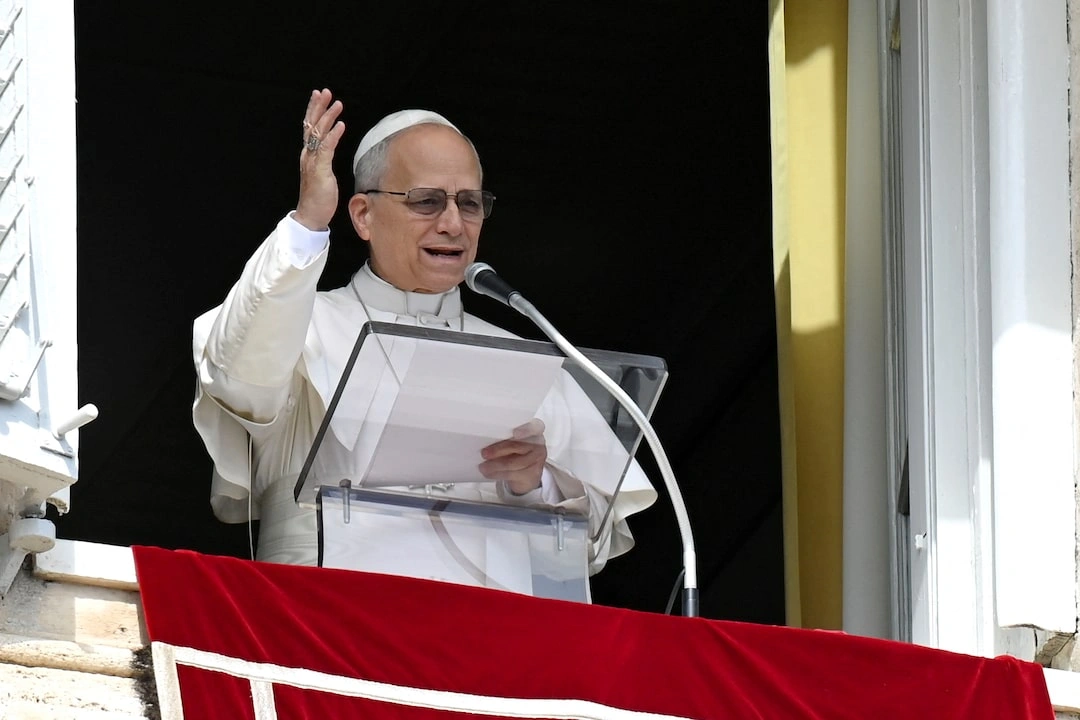



Papal priorities reflected in emerging ethical economic directives


Across recent decades, papal leadership has increasingly emphasized the moral responsibilities tied to economic decision-making within the global Church. These priorities, rooted in Catholic social teaching, have encouraged institutions to adopt clearer guidelines for ethical finance, responsible stewardship, and equitable development. Scholars observing these developments note that papal directives often respond to contemporary economic challenges while maintaining long-standing doctrinal values.
Many Church institutions and affiliated organizations take cues from these priorities when shaping their economic strategies. As global markets evolve, papal insights offer a consistent framework for evaluating financial behavior through the lens of human dignity and social justice. This influence is particularly evident in emerging directives that focus on sustainable development, transparent operations, and the protection of vulnerable populations.
Doctrinal values shaping economic expectations
The most important influence on emerging economic directives is the set of doctrinal values that underpin Catholic teaching. Papal statements draw from principles such as solidarity, the common good, and the preferential option for the poor. These values guide how Church institutions evaluate their economic responsibilities and determine what kinds of financial practices align with moral commitments.
Papal priorities often highlight the importance of ensuring that economic structures do not exploit individuals or communities. This includes encouraging institutions to scrutinize the social and environmental impact of investments, partnerships, and development programs. Analysts note that these doctrinally rooted perspectives help create a foundation for practical economic guidelines that can be consistently applied across diverse regions and contexts.
Emphasis on transparency and responsible stewardship
Recent papal messages have placed particular emphasis on transparency and accountable stewardship. These directives reflect a growing awareness of the need for clear reporting, ethical financial management, and greater visibility within institutional operations. Transparent processes not only support trust within the Church but also strengthen relationships with donors, partners, and communities who depend on accurate information.
Stewardship, as emphasized by papal teaching, extends beyond financial oversight. It includes the careful use of resources, respect for public trust, and the ethical administration of charitable programs. Many institutions have responded by adopting more structured financial reviews and expanding their internal accountability measures. Analysts observe that these efforts align closely with papal expectations for moral clarity in economic matters.
Guidance for sustainable development and global equity
Papal directives increasingly highlight the global dimensions of economic responsibility. Statements on sustainable development encourage institutions to consider long-term consequences, environmental impacts, and the well-being of future generations. These concerns are rooted in the understanding that economic activity must serve human life rather than undermine it.
Scholars examining these priorities note that the focus on global equity has influenced numerous Catholic development initiatives. This includes support for fair labor practices, community-driven economic programs, and resource distribution models that address inequality. As Church institutions operate in diverse cultural and economic contexts, papal guidance helps unify their efforts around a shared ethical framework.
Integrating moral principles into financial decision-making
One of the most significant effects of papal priorities is the integration of moral analysis into financial decision-making processes. Many institutions now review economic choices through both technical and ethical lenses, ensuring that doctrinal convictions inform long-term planning. This approach encourages leaders to evaluate not only financial outcomes but also the broader human impact of their strategies.
Institutions often consult theologians, ethicists, and analysts to help interpret papal directives within practical financial contexts. This collaborative process supports more thoughtful stewardship and reduces the risk of decisions that conflict with foundational Church values. Analysts note that these practices demonstrate a growing commitment to aligning economic activity with moral responsibility.
Conclusion
Emerging ethical economic directives within the Church clearly reflect the priorities expressed in recent papal teaching. Through an emphasis on doctrinal values, transparency, sustainable development, and morally informed decision-making, these directives shape how institutions navigate modern economic challenges. As global conditions continue to evolve, papal guidance remains a central influence in promoting responsible and ethically grounded financial practices.