



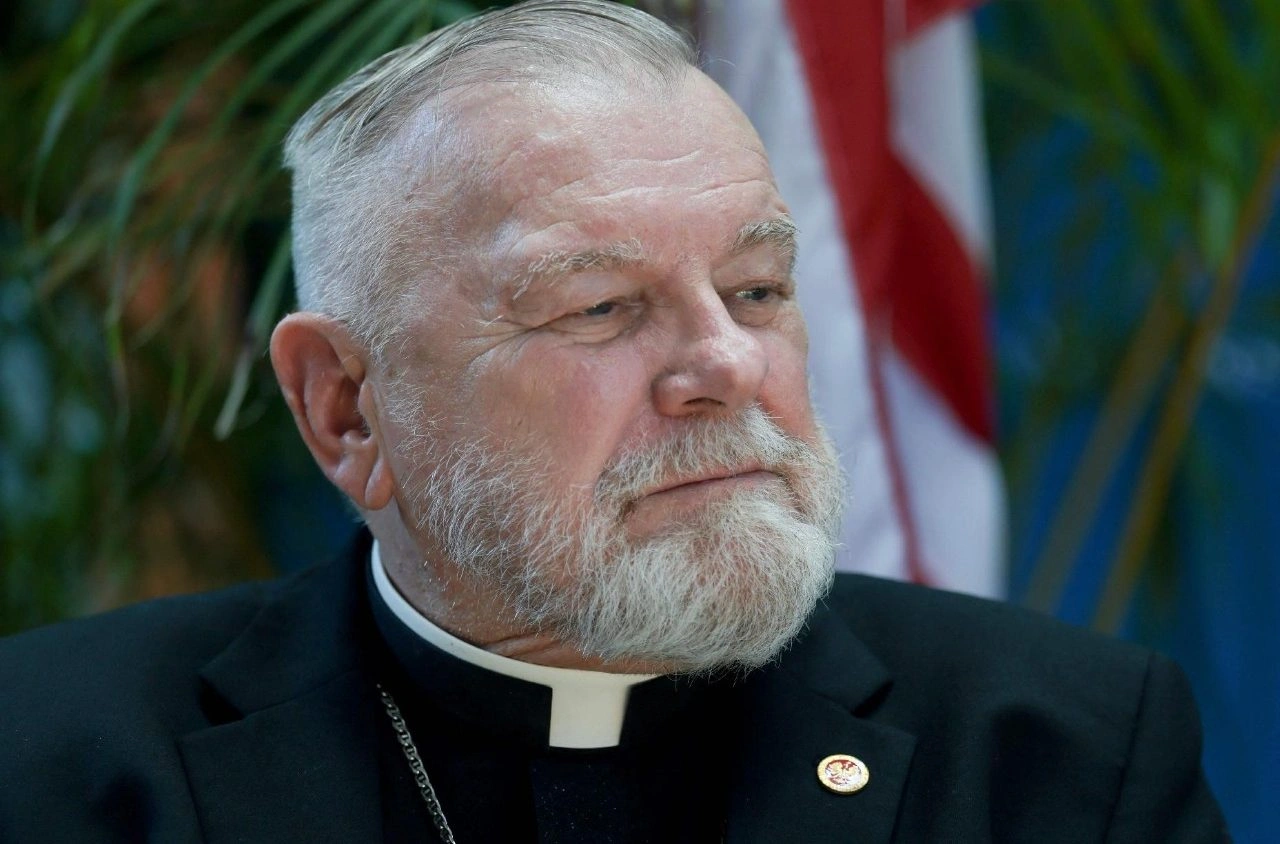
Catholic ethicists outline criteria for responsible stewardship in church funds


As expectations for financial integrity grow across global institutions, Catholic ethicists have increasingly focused on how Church funds should be managed in a manner consistent with moral responsibility. These discussions highlight the importance of aligning financial decisions with theological principles, social teaching, and long-term community well-being. Church leaders, donors, and analysts all rely on clear criteria that guide how resources are handled within both local and international contexts.
Responsible stewardship has long been part of the Church’s identity, but modern financial structures require a more systematic framework to ensure clarity and accountability. Ethicists studying Church finance note that these criteria not only help safeguard resources but also reinforce trust among parishioners and global partners. By outlining detailed guidelines, they aim to provide a stable foundation for decisions that impact education, healthcare, humanitarian work, and pastoral support.
Core principles shaping responsible stewardship standards
The central focus of responsible stewardship begins with principles found throughout Catholic social teaching. Ethicists emphasize values such as the protection of human dignity, the promotion of the common good, and the safeguarding of vulnerable communities. These foundations guide how Church administrators evaluate financial decisions and determine what practices uphold the mission of the Church.
One key component is the requirement that funds be managed with integrity and transparency. This includes maintaining accurate records, ensuring that spending aligns with stated purposes, and avoiding investments that undermine ethical or social values. Ethicists highlight that stewardship is not merely about achieving financial stability. It also involves ensuring that every financial choice reflects the Church’s moral commitments and contributes to broader societal well-being.
Ethical guidelines for investment decisions
A major area of focus for Catholic ethicists involves establishing clear investment guidelines that align with doctrinal teaching. These guidelines often include both exclusionary and inclusionary criteria. Exclusionary criteria identify industries and practices that conflict with Catholic values, while inclusionary criteria encourage support for organizations that promote ethical development, fair labor, and community-focused initiatives.
Ethicists stress that investment strategies must be carefully evaluated to avoid conflicts between financial returns and moral obligations. This process often involves collaboration between theologians, financial analysts, and institutional leaders. Through this interdisciplinary approach, Church organizations can better understand how complex modern markets intersect with long-standing ethical principles. The goal is not only to avoid harmful practices but also to actively support positive social outcomes.
Importance of transparency and verifiable reporting
Transparency has become a defining feature of responsible stewardship within Church institutions. Ethicists argue that transparent financial practices foster trust among parishioners, donors, and partner organizations. This includes making financial reports accessible, explaining how funds are allocated, and ensuring that oversight bodies have clear visibility into administrative processes.
Verifiable reporting is essential for showing how decisions support mission goals and ethical priorities. When institutions maintain organized, traceable records, they create a stronger foundation for internal audits and external evaluations. Analysts note that transparency also helps prevent misunderstandings and reinforces the Church’s commitment to operating in a manner consistent with its teachings. This clarity becomes increasingly important as institutions engage with international partners who expect structured financial documentation.
Long-term responsibility and sustainable financial planning
Ethicists also emphasize the importance of long-term planning as part of responsible stewardship. This involves assessing future needs, identifying potential financial risks, and ensuring that resources are available for ongoing mission work. Sustainable planning requires institutions to balance immediate demands with enduring commitments in areas such as education, relief efforts, and community support.
A key challenge in this process is maintaining financial stability while adapting to changing economic conditions. Ethicists encourage administrators to consider not only material outcomes but also the broader human impact of their decisions. By integrating ethical evaluation with careful planning, Church institutions strengthen their ability to serve communities effectively over time.
Conclusion
Catholic ethicists highlight a clear set of criteria that guide responsible stewardship within Church financial systems. Through an emphasis on doctrinal principles, ethical investment policies, transparency, and long-term planning, these standards support financial practices that reflect the Church’s mission and values. As institutions continue to navigate modern economic challenges, these guidelines offer a consistent framework for sustaining trust and promoting ethical governance.