Inside the Curial Framework: How Governance Models Inform Vatican Financial Oversight


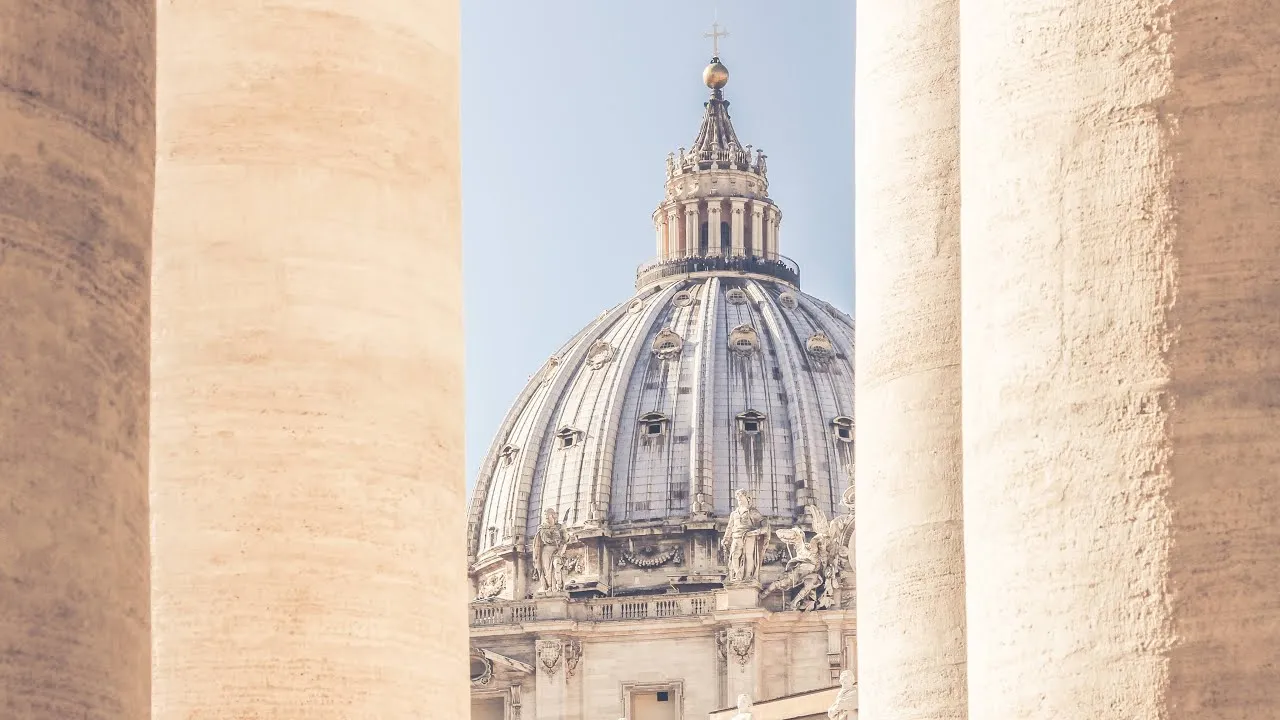
The Vatican’s governance system has always been central to how financial decisions are structured, evaluated, and implemented. While modern readers often view Vatican finance through the lens of headlines or isolated reports, the deeper reality is shaped by centuries of institutional design. The Curia, the administrative body that assists the Pope in governing the Church, plays a pivotal role in shaping financial oversight. Its structure, responsibilities, and internal checks form the backbone of how resources are managed and protected.
Understanding the Curial framework is essential for recognizing why financial decisions unfold in specific ways. The Vatican operates with unique priorities that balance pastoral mission, global administrative responsibilities, and ethical stewardship. These priorities influence how financial controls are placed, how oversight bodies cooperate, and how accountability measures are maintained. A closer look at this system reveals a sophisticated model rooted in both tradition and reform.
The Curia’s structural influence on financial authority
The Curia is composed of multiple dicasteries, secretariats, and offices that collectively shape the governance of resources. Financial oversight does not rest within one institution but emerges from distributed responsibilities designed to reduce risk and increase transparency. The Secretariat for the Economy sets overarching policies and monitors internal controls, while the Administration of the Patrimony of the Apostolic See handles the management of assets and investments. These offices are supported by additional bodies, including auditing authorities that ensure compliance with established standards.
This interplay creates a layered oversight system in which decisions are reviewed by multiple entities before being finalized. Such structure mirrors aspects of corporate governance but also reflects the Vatican’s need to maintain doctrinal alignment and protect the integrity of charitable funds. Centralization and decentralization operate in balance, ensuring that financial decisions serve global mission objectives rather than local or isolated interests. This model has evolved through reforms intended to improve coordination across departments while maintaining clear lines of accountability.
Coordination between oversight and operational departments
Financial governance within the Curia requires close coordination between strategic and operational bodies. Offices involved in asset management must integrate policy guidelines provided by the Secretariat for the Economy while adhering to regulatory expectations. This cooperation helps ensure that investments and expenditures are evaluated responsibly and documented properly. Such coordination allows decisions to incorporate financial analysis, ethical standards, and long-term planning considerations.
Operational departments also rely on governance models that emphasize shared responsibility. Regular reporting, standardized procedures, and review cycles help maintain consistency across functions. This system promotes transparency by requiring each office to operate within a controlled framework. Coordination also reduces the likelihood of administrative gaps, reinforcing the Vatican’s broader emphasis on accountability and institutional stability.
The role of reform in strengthening governance models
Recent decades have seen a series of reforms aimed at modernizing financial oversight. These changes were driven by a desire to align the Curial framework with evolving international expectations. Internal restructuring helped clarify responsibilities between offices, create more direct pathways for oversight, and introduce modern auditing practices. New norms for reporting and documentation further strengthened the financial environment.
Reform also encouraged improved communication between institutions, facilitating a more unified approach to financial governance. Enhanced training for staff, updated financial tools, and clearer procedural guidelines contributed to transparency and administrative consistency. These changes demonstrate how the Vatican has integrated lessons from global governance models while maintaining its distinct identity and mission-driven priorities.
Balancing tradition with administrative modernization
While the Curia retains many traditional elements, it has progressively adapted to contemporary financial realities. Balancing tradition with modern administration requires thoughtful integration of new practices that support long-term sustainability. Maintaining ethical focus, upholding mission-based decisions, and preserving the integrity of Church resources remain priorities. Modern governance models must therefore operate harmoniously with ecclesial principles, creating a unique form of oversight that blends historical identity with modern expectations.
Such balance is essential as the Vatican continues to navigate global economic shifts, international partnerships, and broader responsibilities tied to its global presence. The Curial framework offers stability in times of change by providing a structured foundation that guides decision-making processes and ensures consistency in financial operations across diverse contexts.
Conclusion
The Curial governance framework plays an essential role in shaping how the Vatican manages and oversees its financial responsibilities. Its structured model, ongoing reforms, and commitment to ethical stewardship create a financial environment grounded in accountability and mission-driven purpose. By combining tradition with modernization, the Curia ensures that financial oversight supports both administrative effectiveness and the Church’s global commitments.