Pope Leo Emphasizes Europe’s Role in Pursuing a Just Peace for Ukraine
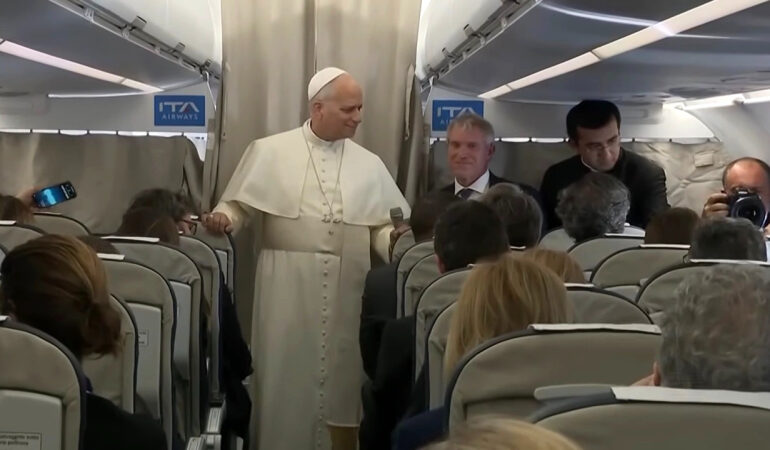

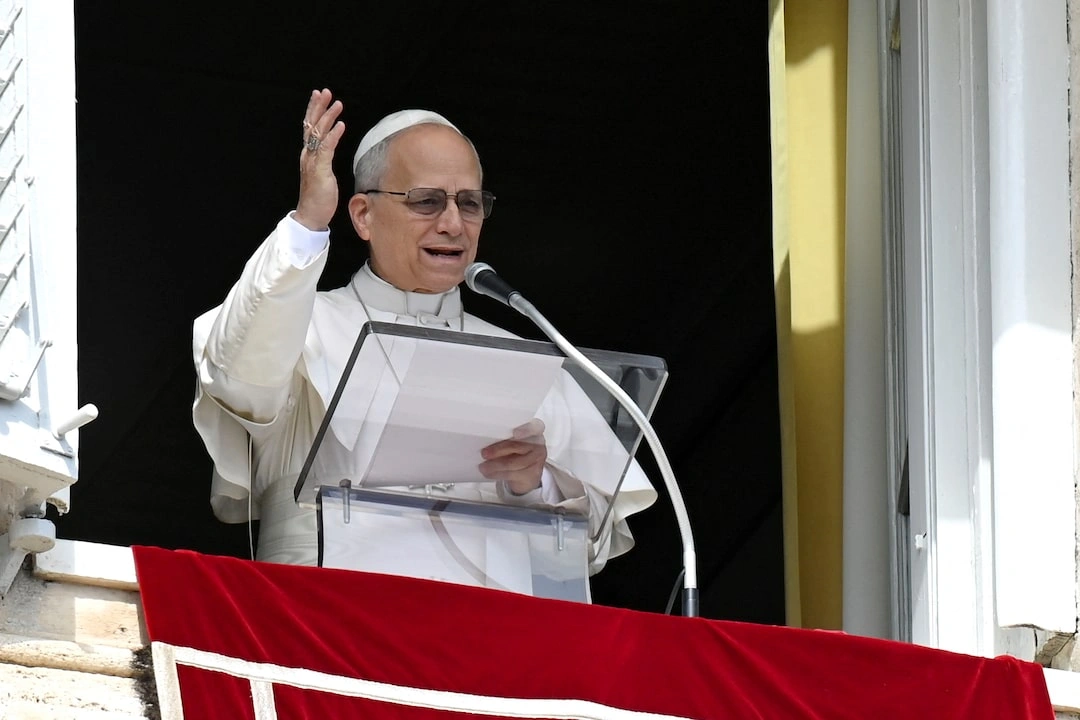
Pope Leo XIV has signaled a notable shift in Vatican diplomatic language regarding the conflict in Ukraine, calling for a greater European role in the pursuit of a just peace and urging a deeper collective effort to address the ongoing humanitarian and political crisis. Speaking during an inflight conversation with journalists after returning from Turkey and Lebanon, he underscored that peace negotiations excluding European participation would be incomplete, noting that regional involvement is necessary for any credible settlement. He identified Italy as a potential intermediary, describing the country’s historical ties and cultural influence as valuable assets for facilitating dialogue among Ukraine, Russia and the United States. His comments follow his earlier criticism of attempts to draft peace frameworks without European consultation, stressing that such strategies must reflect the concerns and experiences of nations closest to the conflict. Observers see his statements as part of a broader recalibration of the Holy See’s approach, one more willing to articulate clear assessments of geopolitical responsibility.
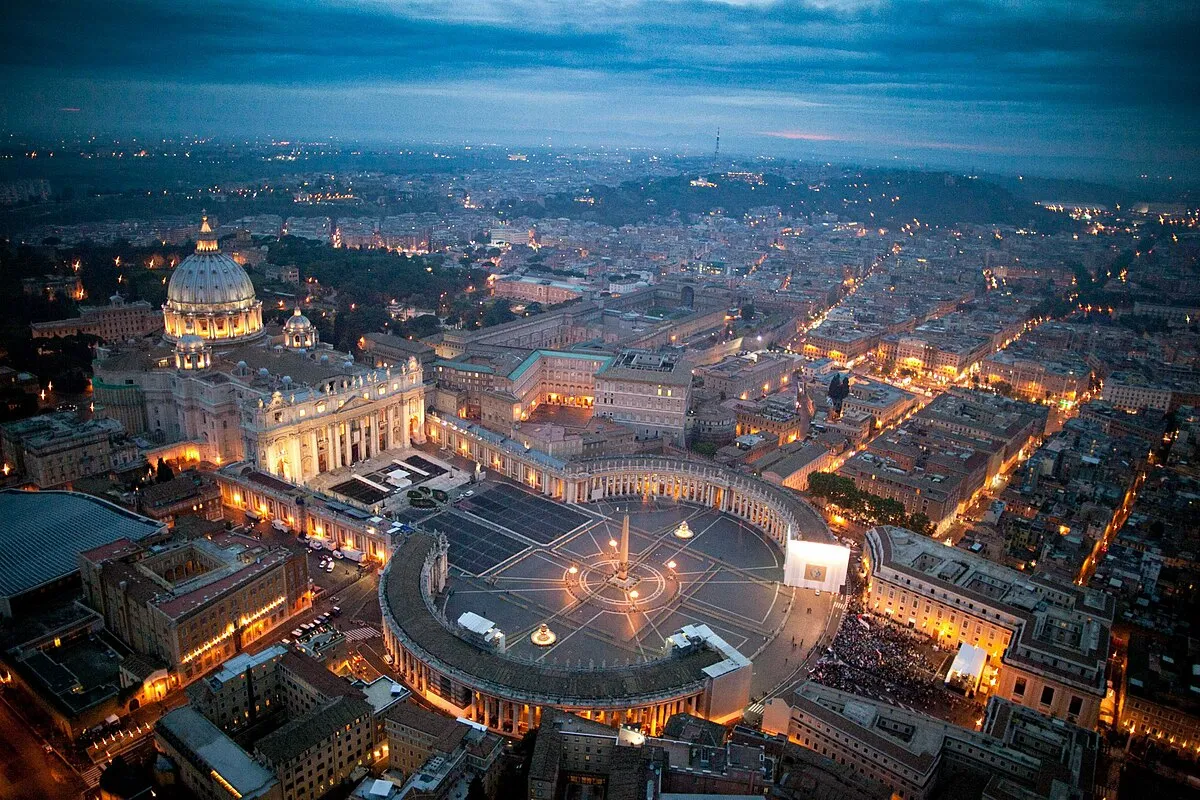
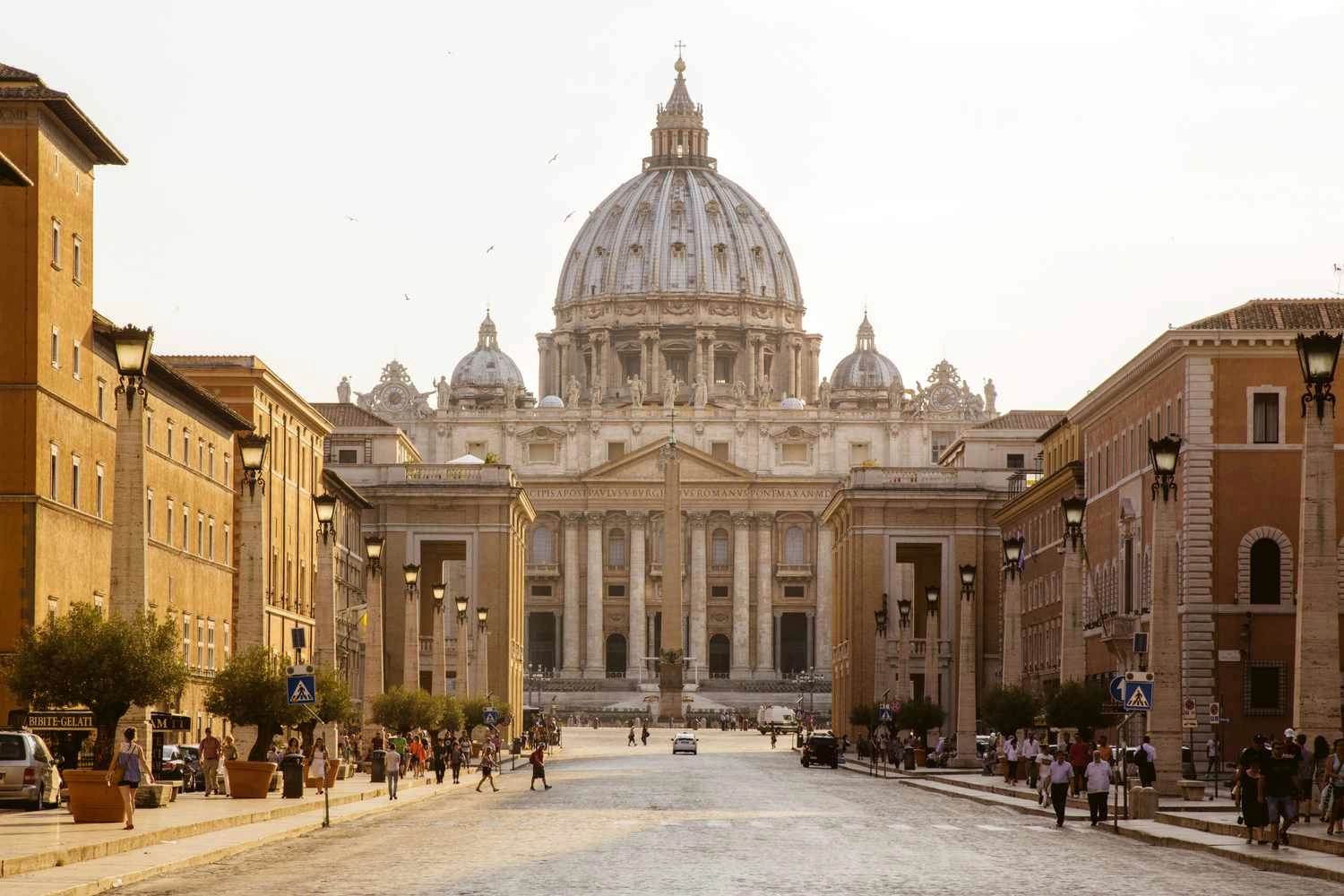
This articulation stands in contrast to the more cautious tone adopted under Pope Francis, whose remarks in 2023 referencing historical Russian figures sparked controversy among Ukrainian Catholics and raised questions about the Vatican’s diplomatic posture. Since assuming the papacy, Pope Leo has consistently referred to the war as imperialist in nature, describing it as an attempt to seize territory for power rather than a conflict rooted in historical claims. His framing aligns closely with European assessments, particularly those emphasizing the importance of territorial integrity and international law. The pope’s readiness to describe the suffering of Ukrainians during public addresses, including a message delivered to more than one hundred thousand people in St. Peter’s Square, has been noted by diplomats as a sign of a more engaged Vatican stance. Ukrainian leadership has responded by appealing directly to him for assistance in securing the return of prisoners and abducted children, a request that situates the Holy See in a potential humanitarian facilitation role that remains consistent with its long standing commitment to peacebuilding.
Pope Leo’s openness to encouraging international mediation reflects a broader Vatican recognition that the conflict’s effects extend well beyond the battlefield, with implications for regional stability, energy security and the long term social fabric of affected communities. The Holy See’s willingness to publicly support Europe’s involvement may also encourage greater coordination among states that have struggled to influence negotiations in meaningful ways. His emphasis on achieving a just peace, rather than a negotiated settlement shaped by power imbalances, highlights an ethical dimension that the Vatican views as central to any sustainable resolution. Analysts note that this approach may contribute to reshaping future diplomatic discussions by underscoring the importance of accountability, humanitarian protection and equitable dialogue. As global leaders continue to debate the next steps, Pope Leo’s comments reinforce the Vatican’s role as a moral voice seeking pathways that prioritize human dignity, community stability and the delicate balance of international responsibility.