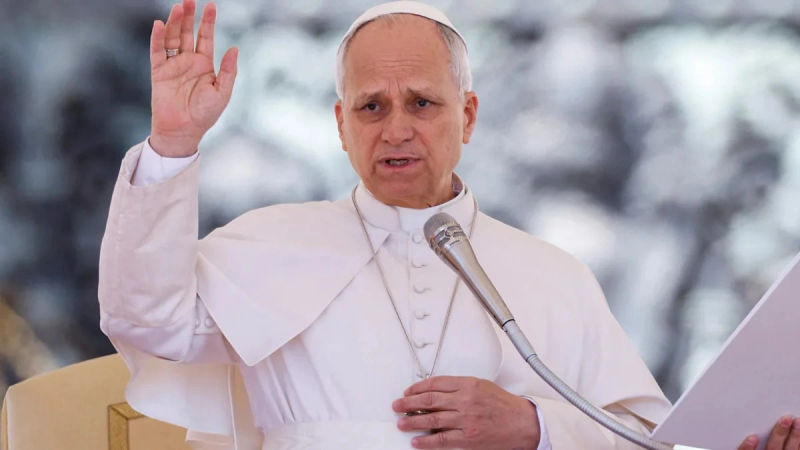
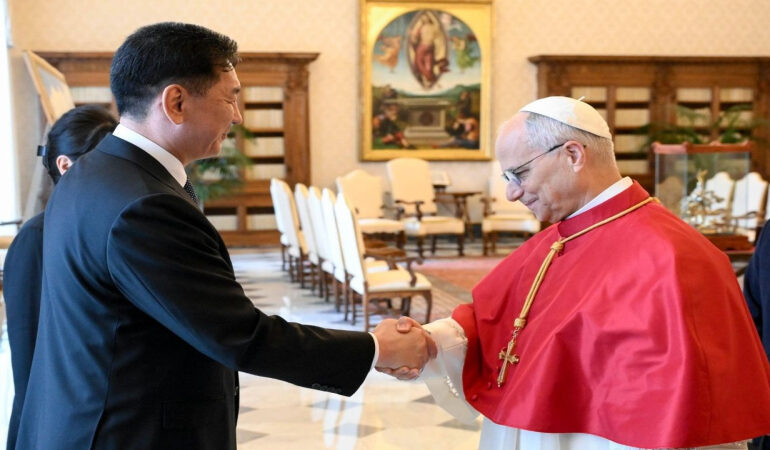

Pope Leo welcomed the President of Mongolia, Ukhnaagiin Khürelsükh, to the Apostolic Palace for discussions that underscored the growing relationship between the Holy See and Mongolia. The meeting reflected ongoing diplomatic engagement between the two states, shaped by a shared interest in cultural collaboration and by the Catholic Church’s contributions to social development within Mongolia. Following the audience with the Pope, the President held talks at the Secretariat of State with Cardinal Pietro Parolin and Monsignor Mihăiță Blaj. These discussions highlighted the steady growth of bilateral relations in recent years and acknowledged the respectful dialogue that has supported cooperation across multiple sectors. Mongolia’s interest in enhancing cultural exchanges aligns with broader efforts to deepen people-to-people engagement, while the Holy See emphasized its commitment to supporting initiatives rooted in human dignity and communal advancement. As both sides continue to expand their areas of coordination, the relationship reflects a diplomatic approach focused on cultural respect, stability and long term collaboration.
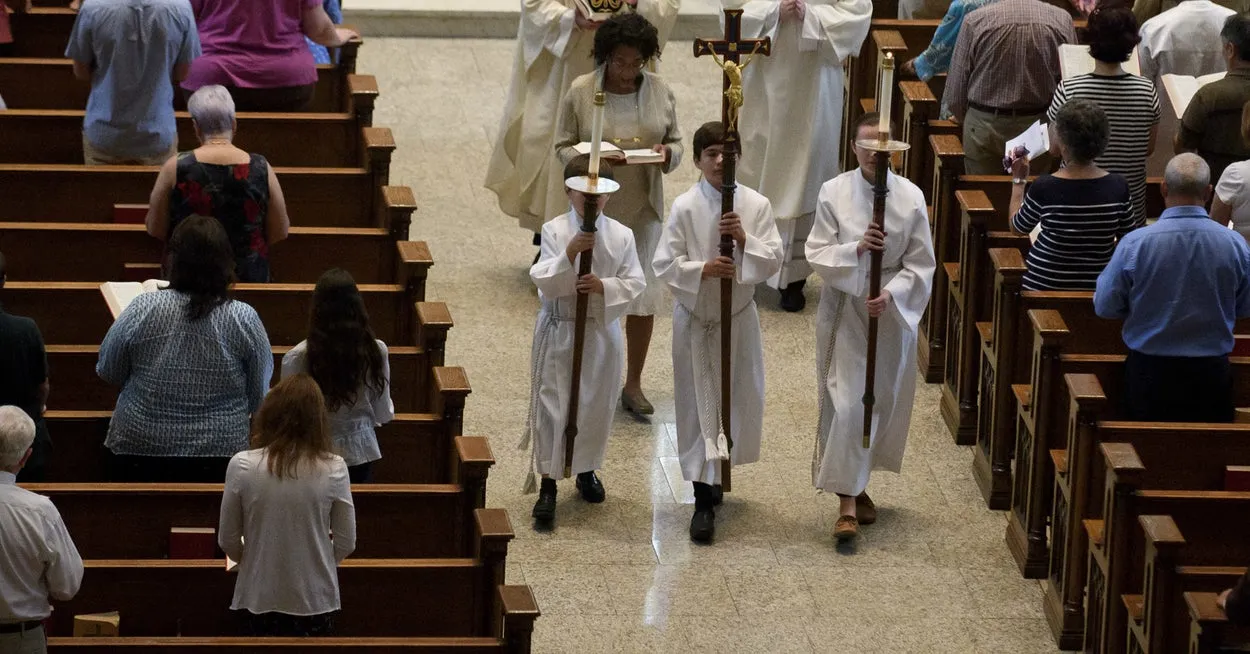
The meetings also recognized the distinctive role of the Catholic community in Mongolia, which remains small but active in service oriented work that has earned recognition from national and local officials. Much of the Church’s contribution is concentrated in education, healthcare and social outreach, areas where Catholic institutions have developed programs designed to meet both immediate and long term needs. These activities represent a practical expression of the Church’s mission within a religiously diverse country and illustrate how faith based organizations can support inclusive development. The President expressed appreciation for the presence of Catholic initiatives that continue to strengthen Mongolia’s social fabric, while Vatican officials reiterated their commitment to supporting projects that align with local priorities. This dialogue further underscored how diplomatic relations with the Holy See often extend beyond political discussions, involving cooperation aimed at advancing social welfare and cultural understanding.
The encounter fits within a broader pattern of the Vatican’s engagement with Asian nations, reflecting Pope Leo’s emphasis on building strong relationships across regions where cultural diversity shapes social and religious life. Mongolia’s strategic interest in inter cultural collaboration intersects with the Holy See’s diplomatic tradition of promoting dialogue, education and healthcare as foundational tools for strengthening communities. The meetings also highlighted the significance of respectful partnership in addressing shared challenges through non political and people centered initiatives. As the Vatican continues to engage with countries seeking constructive collaboration, this visit demonstrates how soft power diplomacy and cultural ties can contribute to stability and mutual understanding. The discussions signal a continued path toward cooperation that respects national identity while advancing goals rooted in human development and peaceful international relations.