Papal Diplomatic Corps Signals ‘Year of Dialogue’ Amid Rising Global Tensions
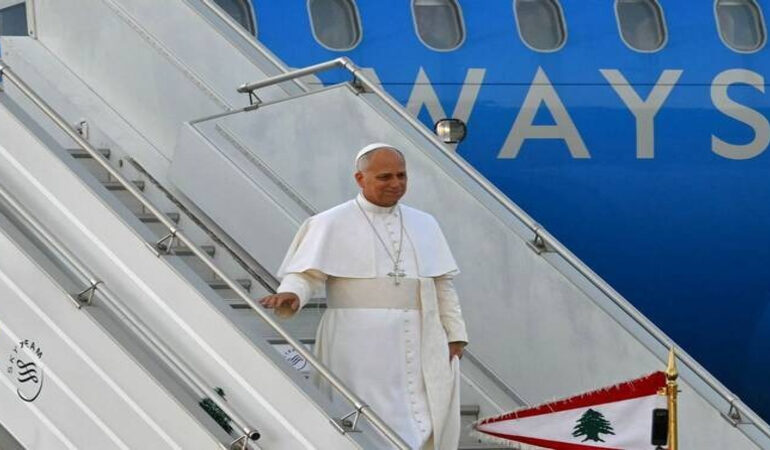

The Holy See’s diplomatic corps has indicated that the coming year will be shaped by a renewed emphasis on dialogue as conflicts and political instability continue to affect communities worldwide. Vatican diplomats, who serve as representatives of the pope in nearly every region of the world, have underscored the importance of constructive engagement and peaceful negotiation as central to the Church’s mission. Their message aligns closely with the ongoing appeals from Pope Francis, who consistently urges world leaders to prioritize diplomacy over confrontation.
This orientation reflects the Vatican’s longstanding commitment to building bridges in areas marked by mistrust or division. As geopolitical tensions intensify, the papal diplomatic network stands as one of the most experienced international bodies dedicated to mediation, humanitarian protection, and advocacy for vulnerable populations. The announcement points toward a comprehensive global effort that emphasizes both diplomatic presence and moral responsibility.
Vatican Diplomacy Focuses on Peacebuilding and Mediation
The diplomatic corps has identified peacebuilding as the central theme for the year, encouraging ambassadors and papal representatives to support conversations that can ease tensions and reduce the risk of escalation. The Vatican’s approach relies on patient engagement, discreet negotiation, and consistent moral messaging. These efforts often take place behind the scenes but are rooted in the Church’s long tradition of promoting reconciliation.
A significant part of the strategy involves maintaining channels of communication even where political relationships have deteriorated. By preserving diplomatic ties, the Holy See ensures that dialogue remains possible during moments of crisis. Papal nuncios continue to act as intermediaries, offering platforms for mutual understanding and encouraging leaders to pursue negotiated solutions. This work reflects the Vatican’s belief that diplomacy must be sustained even when progress is slow or uncertain.
Responding to Humanitarian and Regional Crises
The diplomatic corps has also signaled increased engagement in regions facing humanitarian strain. Conflicts, displacement, and economic disruption have created urgent needs in parts of Africa, the Middle East, and Eastern Europe. Vatican representatives are expected to support local churches, international partners, and humanitarian organizations in coordinating relief efforts and advocating for those most affected.
The Church’s global presence allows the Vatican to gather firsthand information from communities on the ground. This insight strengthens the Holy See’s ability to raise awareness of human suffering in diplomatic discussions. The emphasis on dialogue does not replace practical action but complements it by addressing the deeper causes of instability. In doing so, the Vatican aims to support both immediate assistance and long-term peace.
Promoting Interreligious Understanding
Another priority of the Year of Dialogue is deepening interreligious relationships. The diplomatic corps has stressed that trust and cooperation among religious communities contribute to stability and social cohesion. Many regions experiencing tension or conflict also face challenges connected to religious identity and cultural misunderstanding. For this reason, the Vatican views interfaith collaboration as a central part of diplomatic engagement.
Papal representatives will continue to support initiatives that bring together leaders of different faith traditions. These meetings encourage mutual respect and help create environments where spiritual perspectives can contribute to the common good. The Vatican’s commitment to interreligious dialogue builds upon its consistent teaching that peace requires not only political agreements but also cultural and spiritual openness.
Supporting Local Churches in Conflict Zones
The Year of Dialogue also emphasizes solidarity with local Catholic communities that operate in difficult environments. Many dioceses face pressure from violence, political instability, or social unrest. The diplomatic corps works closely with bishops and pastoral leaders to support their ministries and to ensure that the concerns of local communities are heard at the international level.
By offering diplomatic assistance, the Holy See helps local churches maintain their presence, protect their institutions, and care for the faithful. This reflects the fundamental mission of papal diplomacy, which seeks not only global peace but also the protection of human dignity in every place where the Church serves.
Conclusion
The Vatican’s declaration of a Year of Dialogue reflects its commitment to peace, cooperation, and compassionate engagement in a world facing increasing uncertainty. Through mediation, humanitarian support, interreligious collaboration, and sustained diplomatic presence, the papal diplomatic corps continues to embody the Church’s mission of building understanding and encouraging leaders to choose dialogue over conflict. These efforts reinforce the Vatican’s role as a global voice for reconciliation and hope.