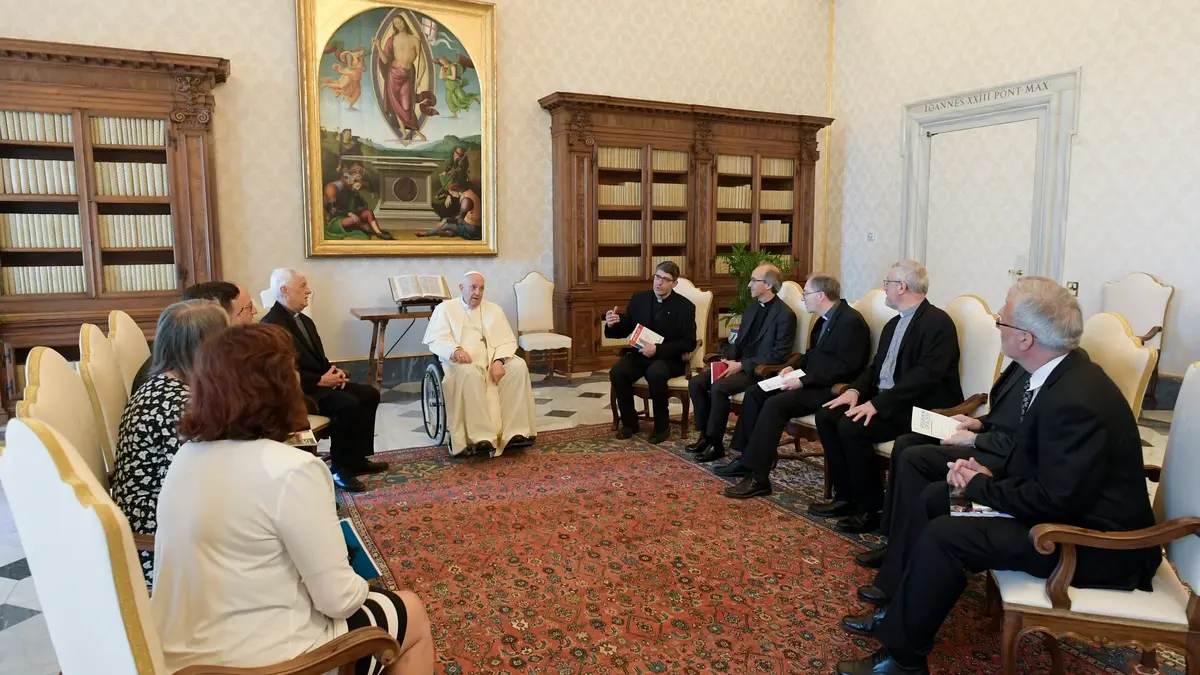




Vatican Governance Update: New Charter Strengthens Financial Oversight and Lay Expertise


The Vatican has introduced a new governance charter aimed at improving financial oversight and expanding the role of lay experts within its administrative framework. The update reflects continuing efforts to modernize the Holy See’s institutional structure and promote clearer accountability across its departments. This development follows years of reform initiatives designed to ensure greater transparency, professionalism, and responsible stewardship of Church resources.
The new charter lays out specific guidelines for cooperation between dicasteries, oversight bodies, and economic offices. It also emphasizes the integration of qualified lay professionals into decision making, especially in areas requiring technical expertise. By implementing these adjustments, the Vatican aims to strengthen internal controls while reinforcing its commitment to ethical financial management.
Expanding Oversight Mechanisms Across Vatican Institutions
A central feature of the updated charter is the enhancement of oversight mechanisms that monitor financial activity within the Holy See. The document outlines expectations for more frequent audits, standardized reporting, and greater coordination among financial offices. These measures build upon existing reforms that seek to streamline processes and reduce the risk of administrative inconsistencies.
The charter also reaffirms the role of oversight bodies responsible for evaluating budgets, reviewing expenditures, and ensuring compliance with internal regulations. These institutions are encouraged to maintain consistent communication with dicasteries to resolve issues and support informed decision making. By strengthening these mechanisms, the Vatican aims to cultivate a governance structure that operates with integrity and accountability.
Another element of the update involves clearer documentation requirements. Departments must maintain detailed records of financial activity to support transparency and facilitate audits. The emphasis on documentation underscores the Vatican’s commitment to building trust both within the Church and in its interactions with external partners.
Growing Role of Lay Professionals in Administration
The charter places significant importance on incorporating lay expertise into financial management and administrative functions. Lay professionals with backgrounds in finance, law, auditing, or organizational leadership bring valuable perspectives that enhance institutional performance. The updated guidelines encourage dicasteries to collaborate with specialists who can support more rigorous oversight and provide practical solutions to complex administrative challenges.
The Vatican has increasingly relied on lay experts in recent years, recognizing that diverse skills strengthen governance. The new charter formalizes this trend by outlining specific roles and responsibilities for lay personnel. They may assist in analyzing budgets, conducting evaluations, or advising leadership on best practices in financial administration.
The inclusion of lay professionals is also intended to relieve some of the administrative burden placed on clergy, allowing them to devote more attention to pastoral responsibilities. By balancing spiritual leadership with professional management, the Vatican seeks to achieve a more effective and sustainable governance model.
Promoting Collaboration and Internal Communication
The updated governance framework highlights the need for stronger collaboration among Vatican departments. Effective financial management depends on regular communication, shared procedures, and coordinated planning. The charter encourages dicasteries to work closely with one another to monitor expenses, evaluate programs, and align budgets with institutional priorities.
Improved communication ensures that financial decisions reflect the Vatican’s pastoral mission. Leaders are encouraged to consider both spiritual and administrative factors when evaluating initiatives. This balanced approach helps maintain a clear connection between the Church’s mission and the practical structures that support it.
The emphasis on collaboration also supports long-term planning. By sharing information and coordinating efforts, departments can anticipate needs, avoid duplication of work, and develop more comprehensive strategies for resource allocation.
Ensuring Ethical Stewardship of Church Resources
Ethical stewardship remains a central theme of the new charter. The Vatican stresses that financial decisions must reflect the Church’s values, promoting fairness, responsibility, and respect for the resources entrusted to its care. Transparency is viewed not only as an administrative expectation but also as a moral obligation that reinforces public trust.
The charter encourages leaders to adopt practices that promote sustainability and responsible financial management. This includes evaluating projects carefully, ensuring that expenditures align with mission priorities, and maintaining fidelity to established norms. Ethical governance is essential for strengthening confidence in the Church’s administrative structures.
Conclusion
The Vatican’s updated governance charter strengthens financial oversight, promotes lay involvement, and encourages collaboration across institutional departments. By refining reporting standards, enhancing accountability, and integrating professional expertise, the Holy See continues to modernize its administrative framework. These reforms support more transparent and responsible stewardship, ensuring that the Church’s mission is sustained by well-structured and ethical governance.