

Poll Watch: Global Catholics Express Desire for Greater Synod Participation in Governance Surveys
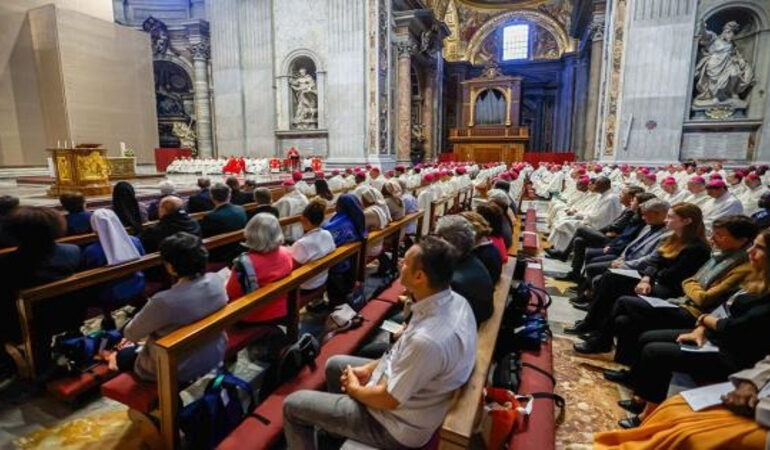

Recent governance surveys from various Catholic research institutions indicate growing interest among global Catholics in taking a more active role in the Church’s synodal process. Respondents from multiple regions expressed a consistent desire for expanded participation, clearer communication, and increased opportunities for collaboration with Church leadership. These findings align with the ongoing emphasis from Pope Francis on fostering a synodal culture rooted in listening and shared discernment.
The surveys, conducted across several continents, highlight both enthusiasm and expectations regarding the future of pastoral decision making. Catholics from diverse backgrounds reported that they view synod participation as a meaningful way to contribute to the life of the Church. Many also noted that local engagement helps strengthen trust and encourages more transparent dialogue between clergy and laity.
Growing Engagement With the Synodal Vision
Analysts reviewing the survey data observed a significant rise in awareness about the global synodal process. Respondents stated that opportunities to express their perspectives help them feel more connected to diocesan and parish initiatives. Many emphasized that synod consultations create space for deeper reflection on pastoral priorities, evangelization, and the Church’s social mission.
The surveys revealed that Catholics appreciate when dioceses offer accessible opportunities for participation. Listening sessions, online surveys, and parish discussions have helped members of the Church feel included in conversations about its direction. This engagement reflects a growing recognition of the synodal model, which encourages shared responsibility among all the faithful.
Participants also remarked that the process has helped them understand the challenges faced by communities in different parts of the world. By hearing the experiences of others, many said they felt a greater sense of global solidarity. The surveys show that Catholics value both the local and international dimensions of synodality, seeing them as interconnected experiences of communion and collaboration.
Desire for Clearer Communication From Church Leadership
One of the strongest themes emerging from the surveys is the need for clearer communication regarding synodal initiatives. Respondents expressed interest in understanding how their contributions are used and how local feedback connects to broader Church discussions. Many participants said that regular updates from diocesan offices help maintain interest and support ongoing participation.
Improved communication also reinforces trust. When Catholics receive transparent reports about the progress of synodal activities, they feel more confident that their voices matter. Survey respondents noted that communication should focus not only on outcomes but also on explaining the purpose of synodal gatherings, the topics being discussed, and the next steps in the process.
Many dioceses have already begun implementing new communication strategies to support this expectation. These efforts include publishing synod summaries, hosting follow-up meetings, and maintaining accessible digital platforms. The surveys suggest that these approaches are effective in strengthening engagement and building a stronger sense of community.
Expectations for Lay Involvement in Governance Conversations
A significant portion of survey participants expressed a desire for more structured lay involvement in governance-related discussions. While respondents recognized that certain decisions rest with bishops and Church authorities, they also believed that lay insight can contribute meaningfully to pastoral planning. Many emphasized that involving families, young people, educators, and pastoral workers can help ensure that Church initiatives respond to real needs.
The surveys show that Catholics view participation not as an attempt to redefine Church structure, but as a way to enrich the decision-making process. They believe that shared discernment helps create practical and well-informed solutions to pastoral challenges. This desire for involvement reflects an understanding of synodality as a collaborative journey rooted in unity and respect.
Regional Differences in Synodal Priorities
While the overall desire for participation is strong, the surveys reveal some regional differences in emphasis. Catholics in Africa and Asia often highlighted the importance of addressing local social challenges such as poverty, migration, and youth formation. Respondents in Europe and North America frequently pointed to secularization, parish renewal, and engagement with younger generations. Latin American participants emphasized community solidarity and social outreach.
These variations illustrate how synodality allows local voices to shape pastoral priorities. Analysts note that this diversity is not a source of division but a reflection of the universal nature of the Church. Each region contributes insights that help deepen the global conversation.
Conclusion
The latest governance surveys show that Catholics worldwide value the opportunity to participate in the Church’s synodal journey. Their desire for involvement, clearer communication, and meaningful collaboration reflects a growing commitment to shared discernment. As the synodal process continues to develop, these insights highlight the importance of listening and engagement in shaping the Church’s pastoral mission.