African Bishops Call for Climate Reparations as Drought Crisis Deepens
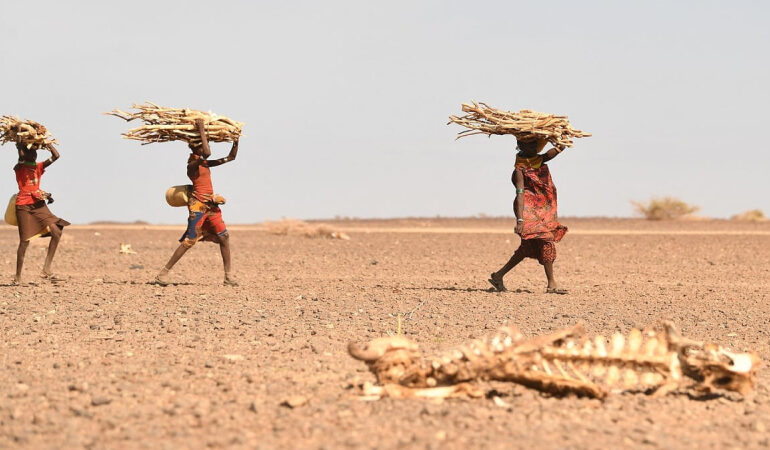

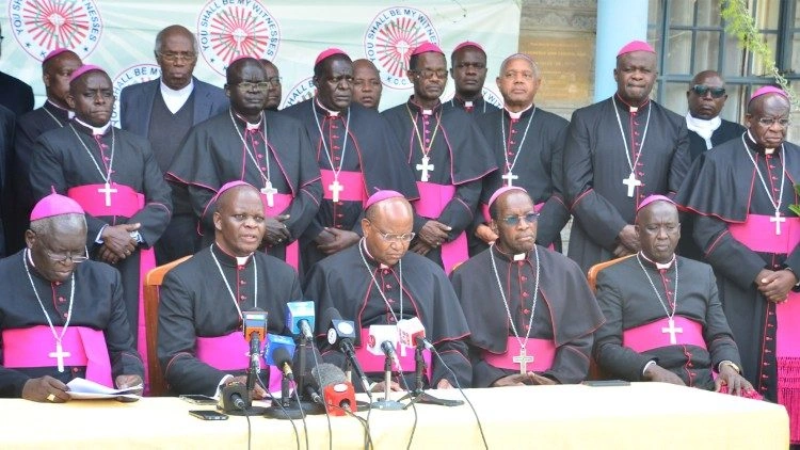
A growing coalition of African bishops has renewed their call for climate reparations as prolonged drought continues to affect large regions of the continent. Their appeal reflects a combination of pastoral concern, social analysis, and advocacy grounded in Catholic social teaching. With communities facing increasing food insecurity, collapsing water supplies, and reduced agricultural productivity, Church leaders argue that wealthier nations must assume greater responsibility for environmental damage linked to global industrial activities.
The bishops emphasize that the current crisis is not merely ecological but deeply human. Parishes across drought-affected regions report rising levels of displacement, economic instability, and strain on local support networks. As these conditions intensify, bishops are urging international institutions to address the long-term structural factors that contribute to environmental vulnerability and to provide relief that aligns with principles of justice and solidarity.
Climate Justice as a Moral Imperative
African bishops have framed climate reparations as part of a broader moral obligation rooted in the Church’s teachings on human dignity and the common good. They argue that environmental harm disproportionately affects people who contribute the least to global emissions, particularly rural populations dependent on agriculture. The call for reparations is intended not as a punitive demand but as a mechanism for supporting sustainable development and helping communities recover from climate-related damage.
Recent pastoral letters highlight the link between environmental degradation and social instability. Many dioceses report increased pressure on families whose livelihoods rely on consistent weather patterns. The bishops note that repeated crop failures contribute to migration, food scarcity, and heightened conflict over limited resources. By advocating for reparations, they hope to encourage long-term investments in water infrastructure, soil restoration, and renewable energy systems.
The Church’s position draws on principles articulated in Catholic social teaching, particularly the idea that nations sharing a common home must also share responsibility for protecting it. This approach supports international cooperation and emphasizes that climate justice must focus on both environmental recovery and equitable development.
Socioeconomic Impact of the Drought
Drought conditions across parts of East Africa, the Sahel, and southern Africa have created significant socioeconomic challenges. Local reports indicate reduced harvests, rising food prices, and increased dependence on external assistance. Communities that traditionally rely on pastoral or agricultural work face unprecedented strain as water sources diminish and grazing land becomes unusable.
Bishops in affected regions have stressed that these challenges are not isolated events but indicators of long-term environmental shifts. They note that prolonged drought weakens local markets, places pressure on health systems, and undermines educational stability as families struggle to meet basic needs. Some dioceses have expanded emergency relief programs, while others have partnered with international organizations to coordinate food and water distribution.
Data from humanitarian agencies confirm the severity of the situation. Millions of people across the continent face food insecurity linked to drought, and seasonal forecasts suggest continued water stress in several regions. These realities shape the urgency behind the bishops’ call for sustained international support.
Strengthening Local Resilience Through Sustainable Solutions
While advocating for reparations, African bishops also highlight the importance of strengthening local resilience. Many dioceses promote community-led initiatives focused on water conservation, sustainable agriculture, and reforestation. These programs aim to reduce vulnerability while providing practical tools for adapting to environmental change.
The bishops have encouraged parishes to facilitate educational programs that teach farmers about drought-resistant crops, soil preservation, and water-saving techniques. In some regions, Church institutions operate demonstration farms to model sustainable methods. These initiatives complement broader appeals for international funding by ensuring that local communities remain active participants in their own development.
Bishops also emphasize the need for cooperation among governments, civil society, and faith-based organizations. Effective climate response requires coordination across sectors, and the Church sees its role as one of both advocacy and service.
International Response and Ongoing Dialogue
The bishops’ appeal has contributed to ongoing global discussions about climate finance and responsibility. International institutions continue to explore frameworks for supporting countries affected by environmental harm. While proposals for climate reparations remain debated, the involvement of religious leaders adds a moral dimension to policy conversations that often focus on technical or economic considerations.
Church leaders hope that their advocacy will encourage donor nations to expand funding commitments, support sustainable projects, and prioritize long-term recovery. They also stress that financial assistance must be transparent, effective, and designed to reach the communities most in need.
Conclusion
The call by African bishops for climate reparations reflects a deep concern for communities affected by drought and environmental instability. By linking ecological responsibility with social justice, the Church highlights the need for international cooperation, sustainable development, and compassionate support for vulnerable populations. As drought conditions continue to challenge millions, these appeals underscore the urgency of addressing both the causes and consequences of climate change.