
Church in India Grows Rapidly as Youth Catechesis Programs Multiply


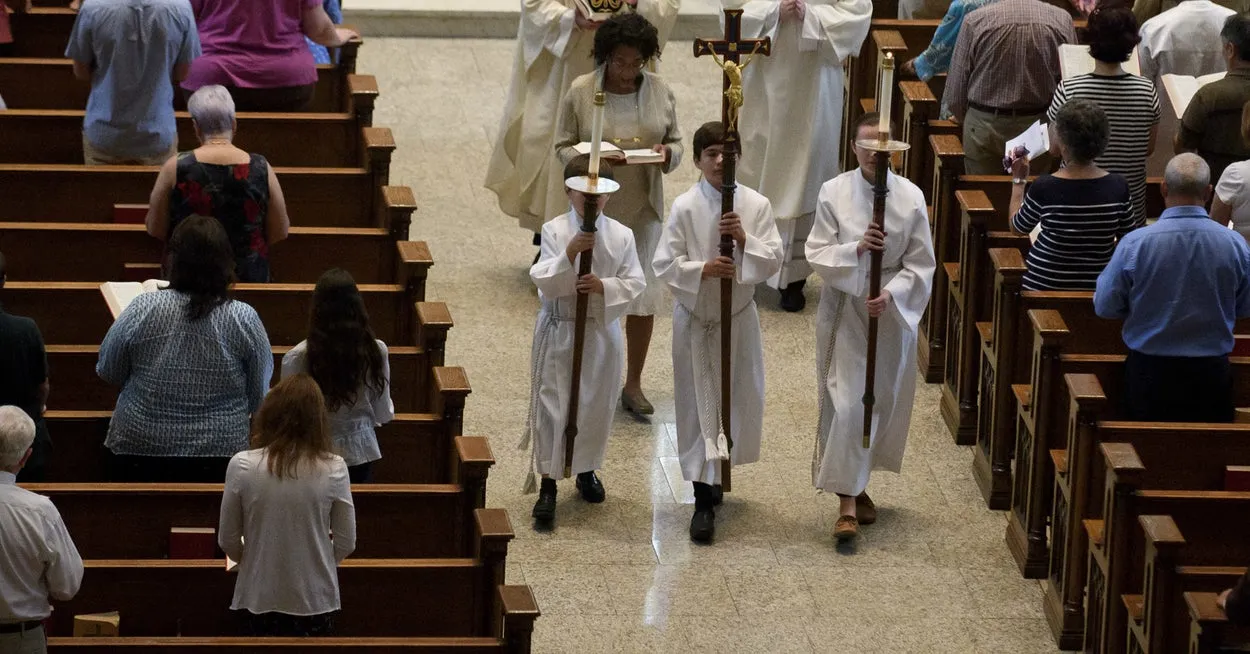
Catholic communities across India are reporting significant growth in youth participation as catechesis programs expand in both rural and urban dioceses. Pastoral leaders attribute this development to structured formation efforts, increased collaboration between parishes and educational institutions, and a growing interest among young people in understanding the foundations of their faith. The growth reflects broader demographic trends in India, where a substantial portion of the population is under the age of 30 and increasingly engaged in community-based initiatives.
The rise of youth catechesis has encouraged dioceses to invest in programs that combine doctrinal teaching with mentorship, service activities, and spiritual formation. Many leaders believe this growth marks an important moment for the Church in India, which continues to navigate cultural diversity, regional differences, and rapid social change. As catechetical programs expand, parishes are observing new levels of participation that support long-term pastoral development.
Expanding Formation Programs Across Diverse Regions
Reports from multiple dioceses show a notable increase in enrollment in youth catechesis programs. These programs often take place through parish centers, mission schools, and diocesan youth offices. The varied settings reflect the diversity of India’s Catholic population, which spans remote rural communities, metropolitan cities, and multilingual environments. Formation leaders emphasize that adaptable teaching methods are essential in reaching young people across such a broad landscape.
The growth is supported by updated curricula that integrate Scripture, Catholic doctrine, and practical reflection. Many programs incorporate group discussions, interactive activities, and opportunities for community service. Formation directors note that these elements help young Catholics connect the faith to daily life while building peer support networks. This pedagogical approach has been particularly effective in schools and parishes that serve large numbers of students.
Dioceses are also placing emphasis on training catechists who understand local cultural contexts. Catechists receive formation that prepares them to teach in ways that resonate with regional traditions and languages. This contextual approach has helped make catechesis more relatable and encouraged broader participation.
Strengthening Youth Leadership and Vocational Discernment
As youth involvement increases, dioceses are also seeing growth in leadership formation and vocational discernment programs. Many young participants express interest in taking on roles within parish ministries, youth groups, and service initiatives. Pastoral leaders view this development as a sign that catechesis is supporting not only religious education but also long-term engagement with the Church’s mission.
Several dioceses have introduced structured leadership workshops that help young people develop communication skills, organizational abilities, and familiarity with Church teaching. These workshops create pathways for involvement in liturgical planning, social outreach projects, and community-building activities. Some participants also engage in discernment programs that explore potential vocations to priesthood, religious life, or lay ministry.
The emphasis on leadership reflects the Church’s goal of forming young Catholics who contribute actively to parish life and broader society. Pastoral leaders note that youth-led initiatives often inspire wider community involvement and reinforce a sense of shared mission.
Collaboration With Catholic Institutions and Schools
Catholic schools continue to play a central role in the growth of youth catechesis. India’s extensive network of Catholic educational institutions provides structured environments where formation can be integrated into the academic schedule. School-based catechesis programs often complement parish initiatives, allowing students to engage with the faith in both educational and community settings.
Collaboration between parishes and schools includes shared retreats, youth camps, and service programs. These activities create opportunities for spiritual development outside the classroom. Teachers and pastoral staff often work together to ensure that young people receive consistent guidance and support.
Catholic universities and colleges have also expanded campus ministry programs. These initiatives serve older students who seek opportunities for faith formation during their higher education years. Chaplaincies offer Bible study groups, volunteer projects, and workshops that address contemporary ethical and social questions.
Addressing Challenges and Opportunities for Growth
While growth trends are positive, Church leaders acknowledge several challenges. Regional disparities in resources mean that some dioceses have limited access to trained catechists or educational materials. Additionally, families facing economic pressures may struggle to prioritize formation activities. To address these concerns, dioceses continue to develop programs that reduce financial barriers and promote inclusive participation.
The rapid expansion of youth catechesis also highlights the need for ongoing training and updated teaching tools. As young people encounter new cultural influences and digital environments, catechists must be prepared to address relevant questions with clarity and pastoral sensitivity.
Conclusion
The rapid expansion of youth catechesis programs in India reflects a vibrant and growing Church community. Through enhanced formation, leadership development, school collaboration, and culturally aware teaching, dioceses are strengthening the faith of young Catholics and building foundations for long-term pastoral engagement. These efforts highlight the dynamic role of youth in shaping the future of the Church in India.