
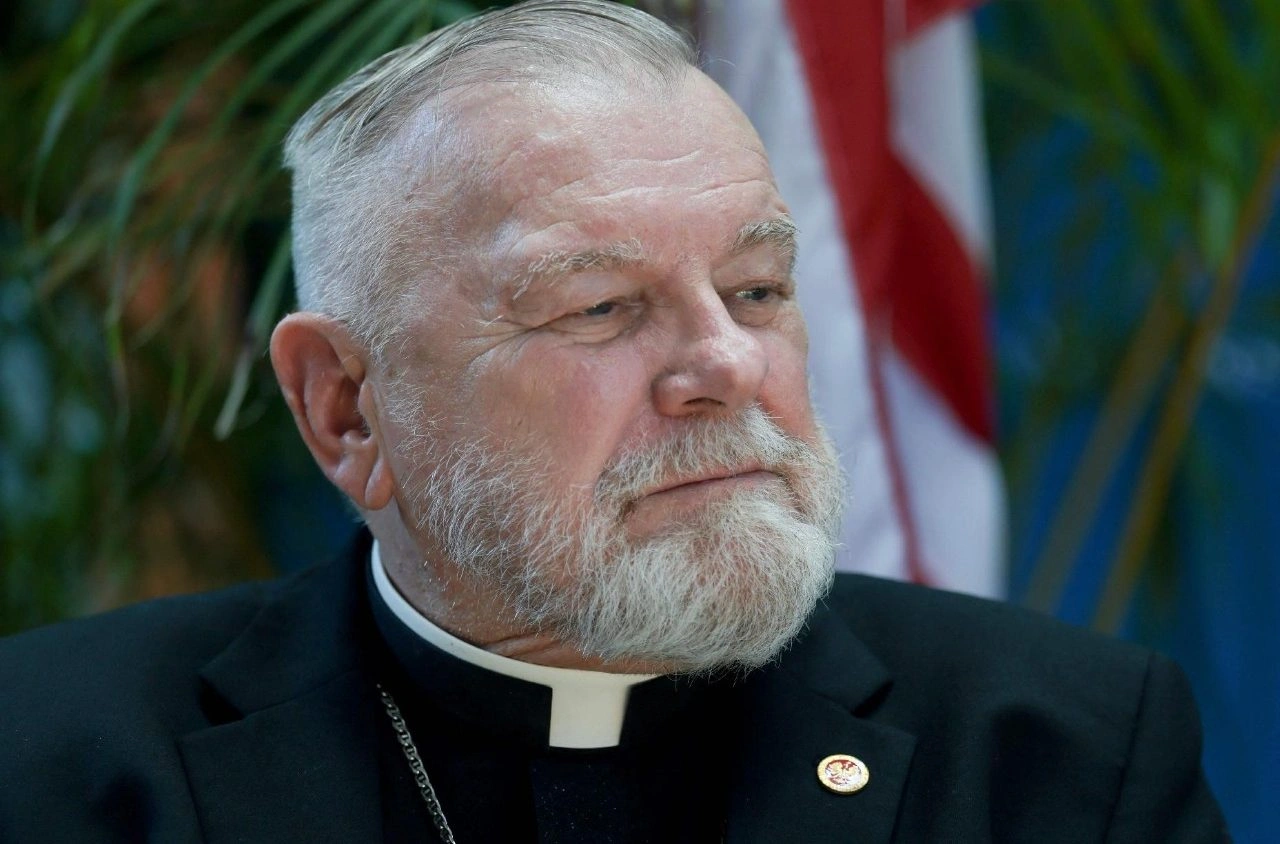
Middle East Christians Advocate for Reconstruction Guarantees in Post Conflict Zones
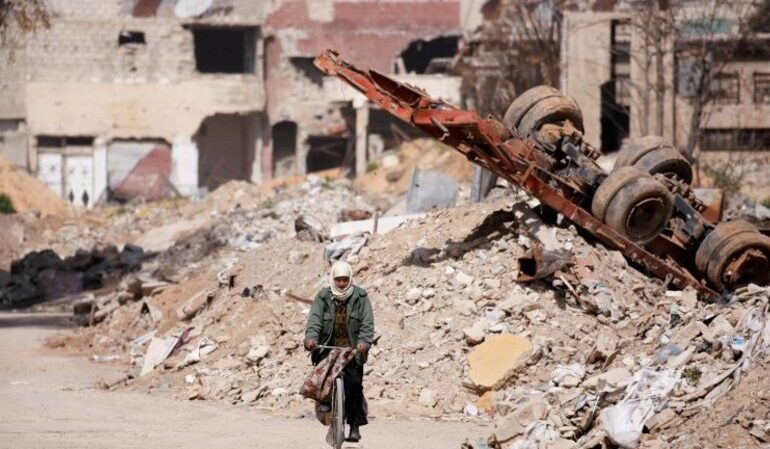

Christian communities across the Middle East are increasingly advocating for stronger reconstruction guarantees as post-conflict recovery efforts continue in several regions. Church leaders emphasize that rebuilding homes, public infrastructure, and essential services is critical for preserving the long-term presence of Christian families who have lived in these areas for centuries. Their appeals reflect both pastoral concern and a strategic focus on ensuring that minority communities are not excluded from national redevelopment plans.
Many Christian leaders in the region have warned that without sustained reconstruction efforts, displacement could become permanent for families who wish to return. Reports from dioceses and humanitarian organizations indicate that basic challenges such as housing shortages, damaged utilities, and limited economic opportunities remain major obstacles for communities seeking to rebuild. As governments and international partners discuss recovery frameworks, Christian representatives argue that reconstruction guarantees are essential for protecting social diversity and promoting regional stability.
Rebuilding Communities as a Priority for Long Term Stability
Church leaders from Iraq, Syria, Lebanon, and other areas affected by conflict have consistently emphasized that reconstruction is not only a material necessity but a foundation for long-term social stability. They note that when families lack access to stable housing or essential services, they are more likely to migrate, decreasing the presence of Christian communities in regions where they have deep historical and cultural roots.
Reconstruction guarantees refer to commitments from governments and international institutions to prioritize rebuilding neighborhoods, restoring basic infrastructure, and ensuring security so that families can return safely. These guarantees also involve establishing clear frameworks for property rights, compensation, and support for local businesses. Christian leaders argue that such measures help create conditions in which communities can sustain themselves economically and contribute to the broader social fabric.
Data from regional humanitarian assessments show that many Christian-majority towns remain significantly damaged years after major conflicts ended. This reality reinforces the urgency behind calls for targeted investment and transparent planning processes. Leaders stress that rebuilding homes and local institutions is essential for preserving cultural continuity and supporting the pastoral mission of the Church.
Protecting Minority Communities in National Recovery Plans
Advocates highlight that reconstruction efforts must include explicit protections for minority groups to prevent marginalization during the recovery process. In some areas, demographic changes caused by displacement have altered the balance of local populations. Without structured guarantees, there is a risk that returning families may face bureaucratic barriers, reduced access to resources, or limited political representation.
Church officials often work closely with local councils, non-profit organizations, and international agencies to ensure that Christian communities are considered in redevelopment strategies. These partnerships help monitor funding distribution, document property claims, and support the rebuilding of schools, clinics, and parish centers. The Church’s involvement helps ensure that recovery programs align with local needs rather than applying uniform solutions that overlook minority communities.
Advocates argue that inclusive reconstruction is not only a matter of justice but also contributes to a stronger social environment. When minority groups feel secure and supported, they are more likely to participate actively in civic and economic life, strengthening social cohesion.
Economic Recovery and the Role of Local Institutions
Reconstruction requires more than physical rebuilding. Economic recovery is necessary for families to sustain themselves and rebuild their communities. Christian leaders note that many local economies remain fragile due to years of conflict, limited job opportunities, and emigration. For this reason, they emphasize the need for programs that support small businesses, vocational training, and employment creation.
Parishes and Church-run organizations have already launched initiatives that provide assistance such as microgrants, technical training, and community development projects. These programs aim to create stable local economies that can support returning families. Leaders argue that reconstruction guarantees should include long-term support for economic revitalization to prevent renewed displacement.
The Church also stresses the importance of restoring educational institutions. Schools operated by Christian communities often serve students of all backgrounds, contributing to local stability and interfaith cooperation. Rebuilding these institutions strengthens the broader social environment and offers young people opportunities for growth.
International Support and Ongoing Advocacy
The advocacy for reconstruction guarantees has reached international forums, where bishops and Church representatives engage with policymakers to highlight the needs of Middle Eastern Christian communities. Their efforts aim to secure commitments from donor nations and multilateral organizations that can provide financial and technical support for rebuilding projects.
International partners have acknowledged the importance of protecting minority communities and preserving cultural heritage. However, the scale of regional destruction requires coordinated strategies that align humanitarian aid, national policies, and long-term development planning. Church leaders continue to emphasize that reconstruction must be approached with sustained commitment rather than short-term assistance.
Conclusion
Middle Eastern Christian leaders continue to advocate for reconstruction guarantees that address both immediate and long-term needs in post-conflict regions. By emphasizing housing, infrastructure, economic recovery, and minority protections, they aim to ensure that displaced families can return safely and rebuild their communities. These efforts highlight the critical role of reconstruction in preserving cultural diversity, supporting regional stability, and sustaining the presence of Christian communities in their historic homelands.