

Catholic Relief Networks Mobilize Emergency Aid After Flooding Displaces Thousands
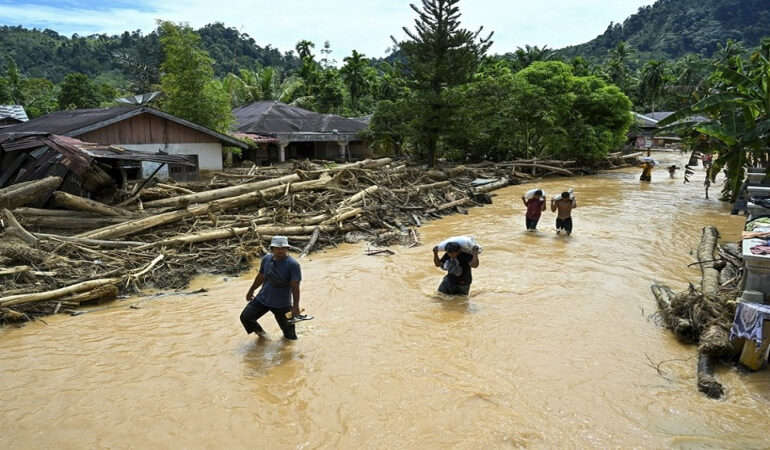

Catholic relief organizations across several regions have mobilized emergency assistance in response to severe flooding that has displaced thousands of people and damaged essential infrastructure. Local dioceses, international Catholic agencies, and parish communities have coordinated efforts to deliver food, temporary shelter, medical supplies, and clean water to affected families. The rapid response highlights the capacity of Church-based networks to provide immediate support during natural disasters while also planning for long-term recovery.
Preliminary assessments from humanitarian teams indicate that the flooding has disrupted livelihoods, destroyed homes, and increased health risks in multiple districts. As communities struggle to regain stability, Catholic organizations are working with government agencies and non-profit partners to ensure that resources reach those most in need.
Coordinated Emergency Response Across Affected Regions
Catholic relief agencies have activated emergency protocols that involve deploying trained volunteers, assessing damage, and establishing distribution centers in areas where access remains possible. These networks often operate through local parishes, which serve as both logistical hubs and points of contact for displaced families. The involvement of parish communities enhances the effectiveness of the response because local clergy and volunteers are familiar with the needs of their neighborhoods.
Reports from diocesan social service offices show that immediate priorities include providing food supplies, arranging temporary shelter, and distributing hygiene kits. Medical teams supported by Catholic health institutions are monitoring the spread of waterborne diseases, which often increase after severe flooding. In some regions, collapsed bridges and damaged roads have made aid delivery difficult, prompting relief teams to coordinate alternative transportation routes.
The Church’s involvement in emergency response draws on decades of experience in humanitarian assistance. Agencies emphasize that while rapid aid is critical, sustainable recovery also requires careful planning and long-term support.
Providing Support for Vulnerable Populations
The flooding has had pronounced effects on vulnerable groups, including children, the elderly, and those with limited financial means. Catholic organizations prioritize these populations by offering targeted assistance such as nutritional support for young children and medical care for individuals with chronic conditions. Social workers associated with diocesan offices play an important role in identifying households that require additional support.
Educational institutions run by the Church have also opened their facilities to serve as temporary shelter spaces. In several communities, school buildings and parish halls now house families who have lost their homes. These facilities provide secure environments where individuals can access food, basic supplies, and information about further assistance.
The Church’s emphasis on human dignity shapes its response to natural disasters. Relief leaders note that ensuring safety, stability, and respect for displaced families is essential both during the emergency phase and in the months that follow.
Partnerships With Government and International Agencies
Catholic relief networks work closely with civil authorities and international organizations to coordinate flood response efforts. Government agencies often provide data on affected populations and infrastructure damage, while Catholic partners contribute on-the-ground experience and extensive volunteer networks. This collaborative approach helps reduce duplication of efforts and ensures a more efficient distribution of aid.
Many international Catholic organizations are also providing financial support and technical assistance. These contributions help local dioceses source food, secure shelter materials, and maintain health services. Long-standing partnerships between Catholic agencies and humanitarian organizations reinforce the reliability of these combined efforts.
Such collaboration reflects the broader understanding that effective disaster response requires integrated planning. By combining local knowledge with external resources, relief teams can respond more accurately to evolving needs.
Long Term Recovery and Community Rebuilding
While immediate assistance remains the priority, Catholic organizations are already preparing for long-term recovery initiatives. These efforts typically involve repairing homes, restoring community infrastructure, and addressing economic disruptions caused by the flooding. Many families face the loss of crops, livestock, or small businesses, making economic stabilization an essential part of the recovery process.
Training programs for community leaders are being organized to support local rebuilding efforts. These programs focus on disaster preparedness, sustainable construction methods, and strategies for strengthening community resilience. Catholic agencies emphasize that rebuilding must incorporate lessons learned from the disaster to reduce risk in the future.
Pastoral support is also an important dimension of recovery. Priests and lay chaplains provide spiritual accompaniment for families coping with loss and uncertainty. Their presence helps sustain community morale and reinforces the Church’s ongoing commitment to serving those affected by crises.
Conclusion
Catholic relief networks have responded quickly and effectively to widespread flooding, offering critical support to displaced families and vulnerable communities. Through coordinated emergency aid, partnerships with civil authorities, and long-term recovery planning, the Church continues to play a vital role in humanitarian assistance. These efforts reflect a commitment to human dignity, solidarity, and the practical expression of Catholic social teaching.