

Bishops Urge Ethical Governance as Corruption Scandals Shake Multiple Regions


Catholic bishops across several regions have issued renewed calls for ethical governance as corruption scandals continue to undermine public trust and weaken institutional stability. These appeals reflect growing concern among Church leaders who observe how misuse of public resources, political manipulation, and lack of accountability contribute to social fragmentation. The bishops argue that ethical governance is not simply a political expectation but a moral obligation that protects human dignity and supports the common good.
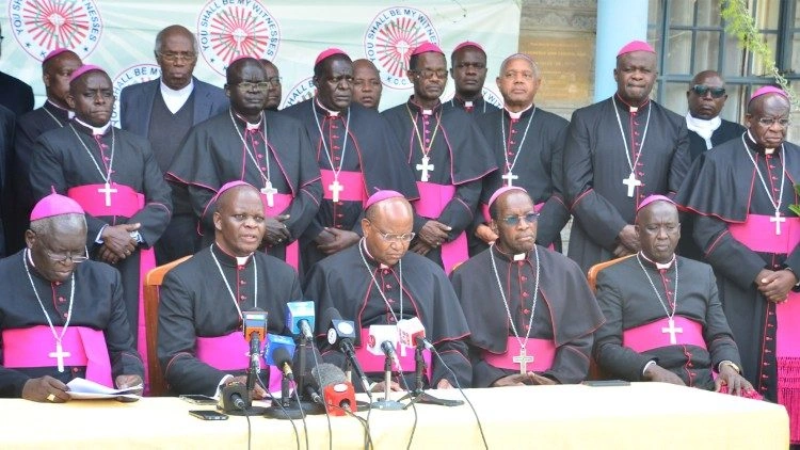
Multiple episcopal conferences have recently released statements emphasizing the need for transparent public administration and stronger oversight mechanisms. Their messages highlight the connection between corruption and the erosion of social structures, especially in communities already facing economic or political challenges. As these developments unfold, bishops encourage governments to adopt practices that strengthen integrity and involve civil society in promoting accountability.
Ethical Governance as a Foundation for Public Trust
Bishops stress that corruption damages the relationship between citizens and their institutions by eroding trust and restricting access to essential services. When public funds are misallocated or diverted through illicit practices, the consequences often fall on the most vulnerable populations. The Church consistently teaches that political leaders have a duty to act with honesty and prioritize the well-being of their communities. The bishops argue that integrity in public office helps ensure fair distribution of resources and the development of effective social programs.
Recent statements from episcopal conferences emphasize that ethical governance must include transparent decision making, responsible financial management, and adherence to legal frameworks. These principles align with Catholic social teaching, which highlights justice, service, and respect for the dignity of every person. The bishops maintain that restoring public confidence requires consistent application of these values across all levels of government.
The appeals also note that corruption contributes to broader instability by discouraging investment, weakening social cohesion, and fostering an environment in which exploitation becomes normalized. Ethical governance, they argue, offers a pathway to rebuilding trust and supporting sustainable development.
Addressing Corruption Through Social Participation
Church leaders highlight that addressing corruption is not solely the responsibility of political authorities. Civil society, including faith based organizations, plays an important role in encouraging accountability. Many bishops emphasize that communities must be empowered to participate in monitoring public programs, reporting abuses, and advocating for fair policies.
Educational initiatives are another key component of this approach. Several dioceses have introduced programs to teach young people about ethical leadership, civic responsibility, and social justice. These initiatives aim to cultivate future leaders who understand the importance of integrity and transparency. The bishops argue that promoting ethical awareness at the community level strengthens public resistance to corrupt practices.
The Church’s involvement in these efforts draws on its long tradition of promoting human rights and social justice. By encouraging dialogue between citizens, policymakers, and organizations, bishops seek to create an environment where ethical governance is supported collectively rather than imposed solely from above.
Impacts on Social and Economic Stability
Corruption undermines both economic development and social resilience. When public resources are misdirected, essential sectors such as healthcare, education, and infrastructure suffer. The bishops warn that these deficiencies have long-term consequences for families and communities. They note that corruption contributes to rising inequality, diminished access to basic services, and weakened institutional capacity.
Economic instability caused by corrupt practices also influences migration patterns. Families in regions affected by persistent corruption may leave in search of safer or more stable environments. The bishops emphasize that addressing ethical governance is therefore part of a broader effort to reduce forced migration and support local development.
The Church encourages policymakers to adopt frameworks that improve financial transparency, strengthen regulatory agencies, and ensure that public funds are used for their intended purposes. These recommendations reflect the Church’s commitment to protecting the common good through practical and measurable reforms.
The Moral Responsibility of Leadership
Throughout their statements, bishops highlight that leadership is fundamentally a moral responsibility. Elected officials and public administrators must recognize the impact of their decisions on society. The bishops argue that leaders who act ethically foster environments where trust, cooperation, and social progress become possible.
They also point out that ethical leadership is strengthened when institutions recruit qualified individuals, establish clear accountability structures, and cultivate a culture that values service over personal ambition. The Church supports institutional reform that prioritizes transparency and ensures that misconduct is addressed through legal and administrative channels.
Conclusion
As corruption scandals shake confidence in public institutions across multiple regions, bishops are urging stronger commitments to ethical governance. Their calls emphasize transparency, accountability, and social participation as essential components of just leadership. By promoting these principles, the Church seeks to support societies striving for stability, fairness, and the protection of human dignity.