


Pope Leo Resets Vatican Fundraising Structures in Major Governance Move
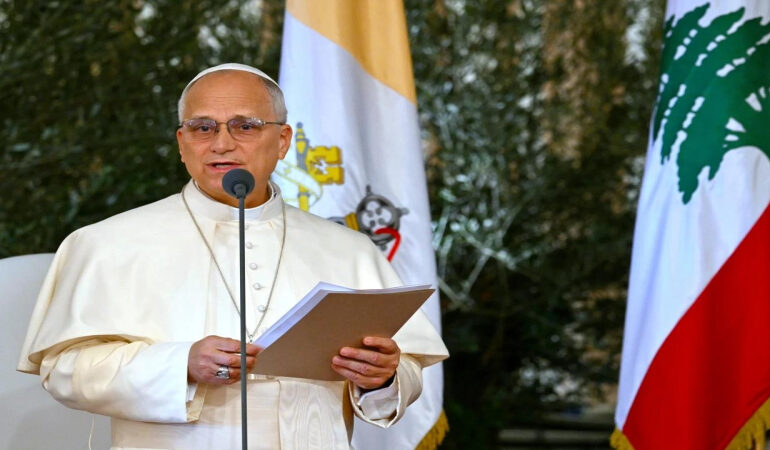

Pope Leo XIV has taken a decisive step to reshape financial oversight within the Holy See by formally suppressing a fundraising commission created earlier this year under circumstances that raised substantial concern among Vatican observers. The decree terminates the commission, abrogates its statutes and transfers its remaining assets to the Holy See’s general administration, with the patrimony office tasked with managing the transition. A new working group will be appointed and directly approved by the Pope to design a more coherent and transparent fundraising framework. This marks one of the clearest indications yet that Pope Leo intends to resolve unresolved financial matters inherited from the previous pontificate while consolidating the structures that will support his long term governance priorities. His actions reflect an approach that combines institutional prudence with a desire to restore international confidence in Vatican fiscal practices, particularly at a time when the Holy See continues to rely heavily on external donations to sustain its global mission.
The commission in question had been announced in February, during Pope Francis’s hospitalization, and immediately drew scrutiny regarding its timing, composition and purpose. Its membership consisted exclusively of Italian officials, none with recognized expertise in fundraising, and its leadership came from the Secretariat of State, an office that had previously been stripped of financial authority after its involvement in the losses incurred through the London property affair. The absence of American members was also noted, given that donors from the United States represent the largest philanthropic base supporting Vatican initiatives. Analysts questioned whether the commission’s formation indicated an attempt by certain offices to regain influence over revenue streams following earlier corrections intended to reinforce accountability. Against this backdrop, Pope Leo’s decree appears aimed at preventing ambiguity surrounding the intentions of the previous structure and at signaling a firm commitment to transparency in the management of charitable contributions.
The decision also highlights the expectations placed upon Pope Leo as the first American to hold the papacy, especially regarding financial governance. Many donors and institutional partners have anticipated that his academic background and administrative clarity would translate into a more rigorous framework for oversight. By dissolving the commission and initiating a process to build a renewed fundraising model, he has moved to address those expectations directly. The decree suggests that future structures will emphasize clearly defined responsibilities, competence based appointments and credible safeguards intended to avoid the concentration of unchecked authority. With the Holy Year drawing to a close, this shift represents a strategic recalibration as Pope Leo prepares to guide the Holy See’s financial apparatus into a new phase. The action signals his resolve to reinforce trust, stabilize governance and ensure that the stewardship of donations reflects both ethical responsibility and institutional coherence.