


Asia-Pacific Dioceses Report Surge in Vocations: What’s Fueling the Growth?


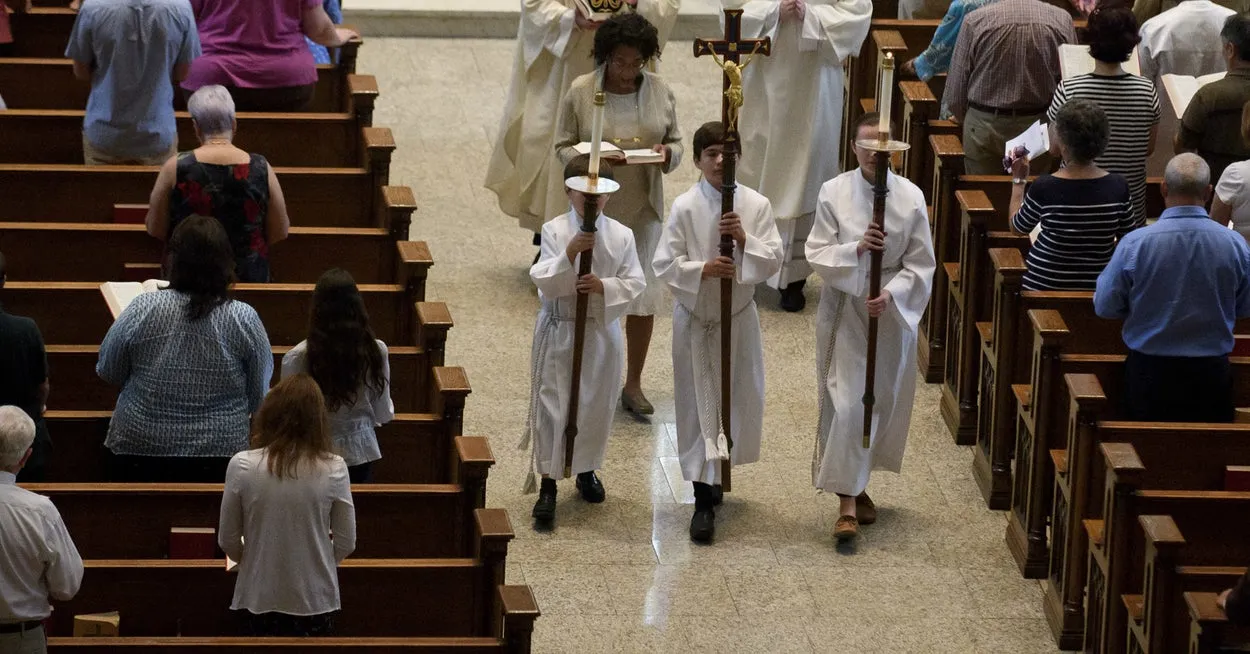
Dioceses across the Asia-Pacific region are reporting a significant rise in priestly and religious vocations, marking one of the most notable demographic shifts within the global Catholic Church today. While other parts of the world face declining numbers, communities in Asia-Pacific are experiencing sustained interest among young people who feel called to religious life. This trend reflects both cultural strengths and pastoral initiatives that continue to shape the vitality of the Church in this rapidly growing region.
Many Church leaders attribute the increase to strong family networks, active parish communities, and the enduring social role of the Church in education and service. At a time when cultural and economic changes are transforming daily life, religious vocations are seen as a path rooted in meaning, stability, and commitment. The growth has prompted dioceses to expand formation programs and invest in pastoral resources to support new candidates.
Key Cultural and Spiritual Factors Driving Vocational Growth
The most widely recognized factor behind the rise in vocations is the strong spiritual culture present in many Asia-Pacific societies. Families often play an active role in nurturing faith, and respect for religious leadership is deeply embedded in local traditions. Young people who express interest in religious life frequently receive encouragement from parents, relatives, and parish leaders who view vocation as a valued service to the community.
Catholic education also plays a major role. Many vocations emerge from schools and universities where students encounter religious life through campus ministries, retreats, and service programs. Exposure to pastoral activities helps young people develop a sense of purpose and provides opportunities for discernment. The growing presence of lay movements and youth organizations further strengthens a culture in which religious commitment is openly supported.
Expansion of Formation Programs Across the Region
The surge in vocations has encouraged dioceses to strengthen formation programs that prepare candidates for religious life. Many dioceses are expanding seminaries, updating curricula, and increasing the number of spiritual directors and educators available to support discernment. Formation programs now incorporate pastoral training, community service, and theological education tailored to local contexts.
Some dioceses report that improved formation environments have contributed to higher retention rates among candidates. Supportive communities, structured mentorship, and opportunities for pastoral engagement help ensure that new vocations mature with clarity and confidence. The quality of formation is seen as essential to sustaining long-term growth and meeting the needs of diverse communities across the region.
Social and Pastoral Needs Encourage Vocational Commitment
Another factor fueling growth is the strong connection between vocation and service. Many Asia-Pacific societies face challenges related to urbanization, migration, economic inequality, and natural disasters. The Church often plays a central role in responding to these issues through education, healthcare, and humanitarian outreach. Young people who feel a desire to respond to social needs often see religious life as a meaningful way to contribute.
Bishops and pastoral leaders note that the visibility of priests, religious sisters, and brothers in community service inspires young people to consider similar paths. The integration of spirituality with social mission offers a compelling model of leadership. This connection between vocation and service resonates deeply in regions where communities value solidarity and mutual support.
Influence of Youth Movements and Digital Evangelization
The growing involvement of young Catholics in evangelization initiatives is another key influence. Youth gatherings, online faith communities, and social media outreach have become powerful platforms for sharing testimonies, discussing discernment, and promoting reflection on religious life. These platforms help young people build connections that support vocational exploration.
Digital evangelization has also allowed dioceses to reach individuals in remote areas where in-person pastoral outreach is limited. Virtual retreats, formation webinars, and online spiritual direction have created new pathways for discernment. This expanded accessibility contributes to rising numbers of inquiries from young people seeking information about priesthood or consecrated life.
Conclusion
The surge in vocations across Asia-Pacific dioceses reflects the region’s strong spiritual culture, active pastoral outreach, and growing opportunities for service. With expanded formation programs, community support, and increasing engagement in social and digital ministries, the Church in this region is witnessing renewed vitality in religious life. These developments highlight the important role that cultural values and communal faith practices play in nurturing new generations of leaders committed to serving the Church and society.