


New Report Shows Widening Wealth Gap Catholic Economists Call for Structural Reform
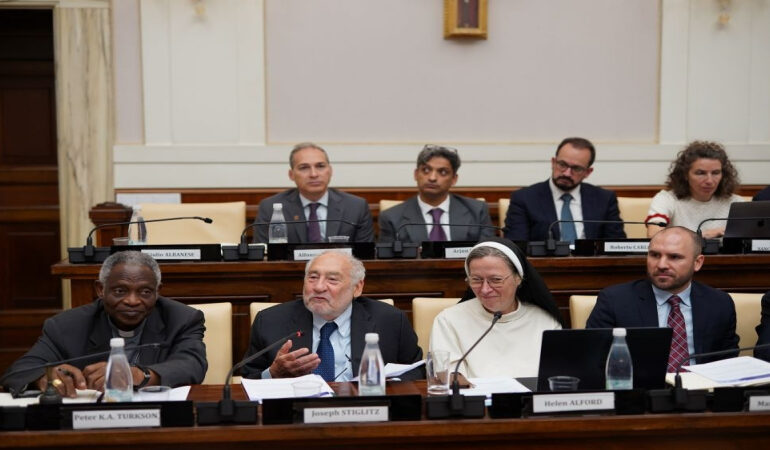

A new economic analysis has drawn renewed attention to the widening global wealth gap, prompting Catholic economists and social theorists to call for structural reforms that address the imbalance. The report highlights rising disparities in income, access to resources, and long-term economic stability across regions affected by inflation, geopolitical uncertainty, and uneven development. Catholic experts emphasize that these trends are not merely financial issues but urgent moral concerns that demand coordinated social and policy responses.
The growing gap places additional strain on communities already facing housing insecurity, limited healthcare access, and declining employment opportunities. Catholic scholars warn that without corrective action, inequalities will deepen and hinder efforts to promote social cohesion, sustainable development, and the common good. Their analysis draws on principles from Catholic social teaching, which stresses human dignity, solidarity, and the moral responsibility to ensure that economic systems uplift rather than marginalize communities.
The Moral Consequences of Rising Economic Inequality
The central concern highlighted by Catholic economists is that widening inequality undermines the foundational ethical commitments that support stable and just societies. When wealth becomes increasingly concentrated among a small segment of the population, social mobility declines and communities lose access to essential services that allow individuals to thrive. These conditions contribute to cycles of poverty that can persist for generations.
Catholic teaching affirms that economic life must serve the human person rather than the other way around. For this reason, experts argue that inequalities must be evaluated not only through statistical indicators but through their effects on human dignity. Lack of adequate wages, limited opportunities, and restricted access to education or healthcare all diminish the capacity of individuals to participate fully in society. Economists stress that addressing inequality is therefore a moral duty that contributes to peace, justice, and stability.
Need for Fair Labor Practices and Living Wages
One of the most frequently cited solutions is the implementation of fair labor practices that ensure just compensation and stable working conditions. Catholic economists point out that stagnant wages and precarious employment structures are major contributors to inequality. In many regions, workers struggle to meet basic needs despite full-time employment. Economists argue that policies promoting living wages support both economic growth and the dignity of workers.
Catholic teaching recognizes the value of work as a form of personal expression and contribution to the common good. Ensuring that workers receive fair compensation helps strengthen families, reduce poverty, and create more resilient communities. Reform advocates call for stronger labor protections, expanded access to benefits, and clearer pathways to stable employment.
Expanding Access to Education and Economic Opportunity
Education remains a key factor in breaking cycles of poverty and reducing the wealth gap. The report highlights disparities in educational access between wealthy and economically challenged communities. Catholic scholars argue that education is essential for empowering individuals, fostering economic mobility, and supporting informed civic participation.
Policies that expand access to quality education, vocational training, and affordable higher learning are central to their recommendations. These efforts not only reduce inequality but also contribute to long-term economic development. Catholic institutions involved in education continue to advocate for partnerships that increase opportunities for underserved populations, especially children and young adults facing systemic barriers.
Encouraging Ethical Governance and Responsible Economic Policy
Structural reform also requires ethical governance. Catholic economists argue that public policies must be shaped by principles that promote the common good rather than the interests of limited groups. This includes responsible tax structures, transparent financial systems, and targeted investments in social services that support vulnerable communities.
Ethical governance also involves monitoring markets to ensure that they operate in ways that respect human dignity. When financial systems become detached from social realities, they can contribute to instability and inequality. Catholic experts encourage policymakers to integrate long-term planning, environmental sustainability, and social protection measures into economic decision making.
Conclusion
The new report on the widening wealth gap underscores the urgent need for structural reforms grounded in justice, solidarity, and human dignity. Catholic economists argue that ethical governance, fair labor practices, expanded educational opportunities, and responsible economic policies are essential to addressing growing disparities. Their perspective highlights the moral dimension of economic life and the need for systems that promote the well-being of all people rather than a privileged few. Addressing inequality is not only a financial concern but a central task in building a more just and sustainable society.