



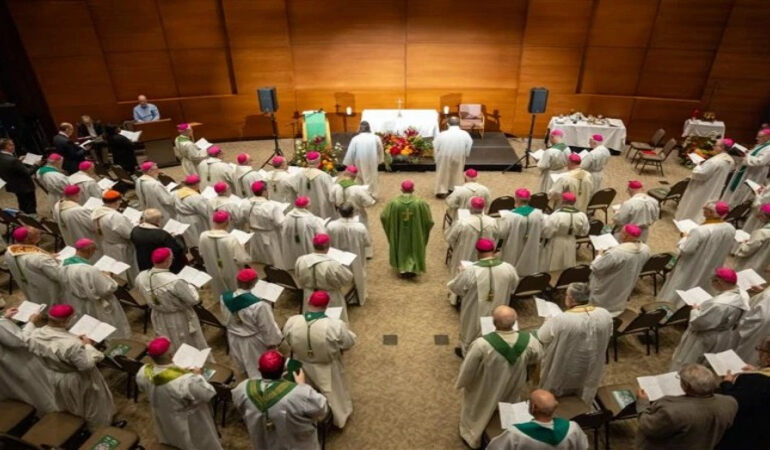

A growing debate over the future of religious expression in Canada has intensified as the Canadian Conference of Catholic Bishops and several religious leaders urged the federal government to retain legal protections for good faith religious teaching within the nation’s hate speech laws. The discussion centers on a proposal to repeal a long standing exemption that shields sincere expressions based on sacred texts from criminal prosecution. In their letter to the prime minister, bishops expressed concern that removing this provision could create an atmosphere of uncertainty for clergy, educators and faith communities who fear that traditional teachings may be misinterpreted in legal proceedings. Their appeal emphasized that the ability to express religious convictions without fear of disproportionate consequences is fundamental to democratic participation. The bishops also noted that the proposed change may affect not only Catholic communities but individuals across diverse faith traditions, indicating broader implications for how pluralism and public discourse are navigated in Canada.
The bishops proposed either retaining the exemption or ensuring clear assurances that responsible religious expression would not be subject to prosecution. They called for consultation with religious and legal experts to develop any amendments affecting freedom of belief and expression. Their intervention resonated with other religious communities that raised similar concerns, highlighting a cross cultural awareness of how shifting legal standards might influence communal life. Supporters of the exemption argue that removing it risks casting doubt on whether scriptural teachings can be articulated confidently in public or educational contexts. Critics of the repeal have pointed out that traditional moral language, when interpreted without nuance, may be misconstrued and lead to legal vulnerabilities. In response to the bishops’ letter, several political figures acknowledged the need for clarity, while others accused opponents of obstructing legislative progress. This exchange has deepened the public discussion on the balance between protecting vulnerable communities from hate speech and safeguarding the space for religious conviction.
Parliamentary debate around the issue has taken on additional complexity as committee meetings examining the legislation were canceled, leading to competing claims about political motives and procedural delays. Some members argued that the cancellation reflected hesitation within the governing party, while others accused critics of slowing the process through extended interventions. The wider context includes ongoing debates in Quebec over secularism, where new measures have been introduced to restrict religious practices in public institutions. This landscape magnifies concerns that modifying the national exemption may contribute to marginalizing religious voices in an increasingly contested public square. Advocates for maintaining the exemption emphasize that it does not shield malicious behavior but preserves room for sincere belief. As Parliament prepares to recess for Christmas, uncertainty remains about the future of the proposed legislation. Religious leaders continue to urge policymakers to ensure that any reforms respect both protections against hate and the freedom to express beliefs that form part of Canada’s cultural and spiritual identity.