


A Look at the Pope’s Most Recent Appeals for Global Peace and Ethical Leadership
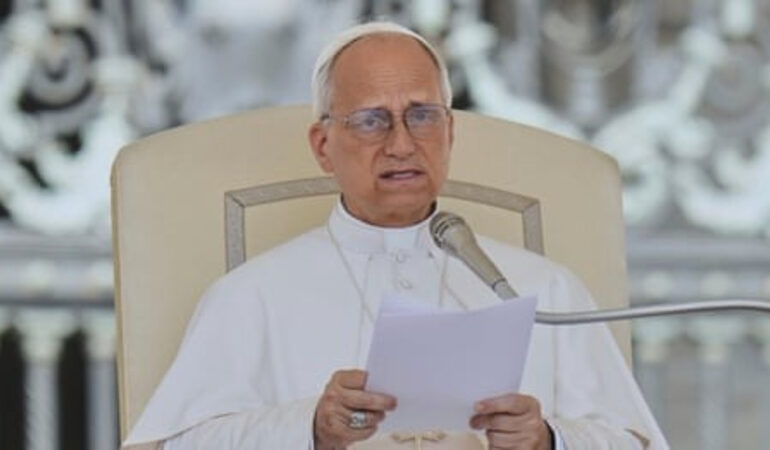

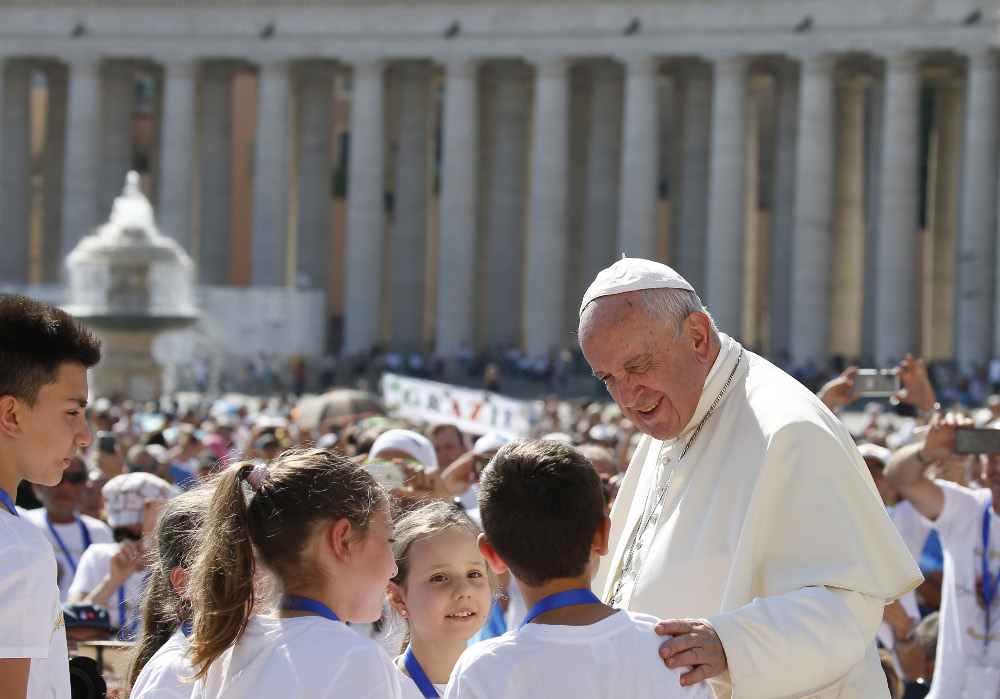
The global atmosphere of 2025 continues to be defined by instability, conflict, and social uncertainty, making the moral guidance of the Holy Father an essential voice in international dialogue. In recent months, the Pope’s public appeals have focused consistently on the urgent need for peace, responsible leadership, and the protection of human dignity. These messages reflect the long tradition of papal engagement in global affairs while responding to the unique pressures shaping today’s world.
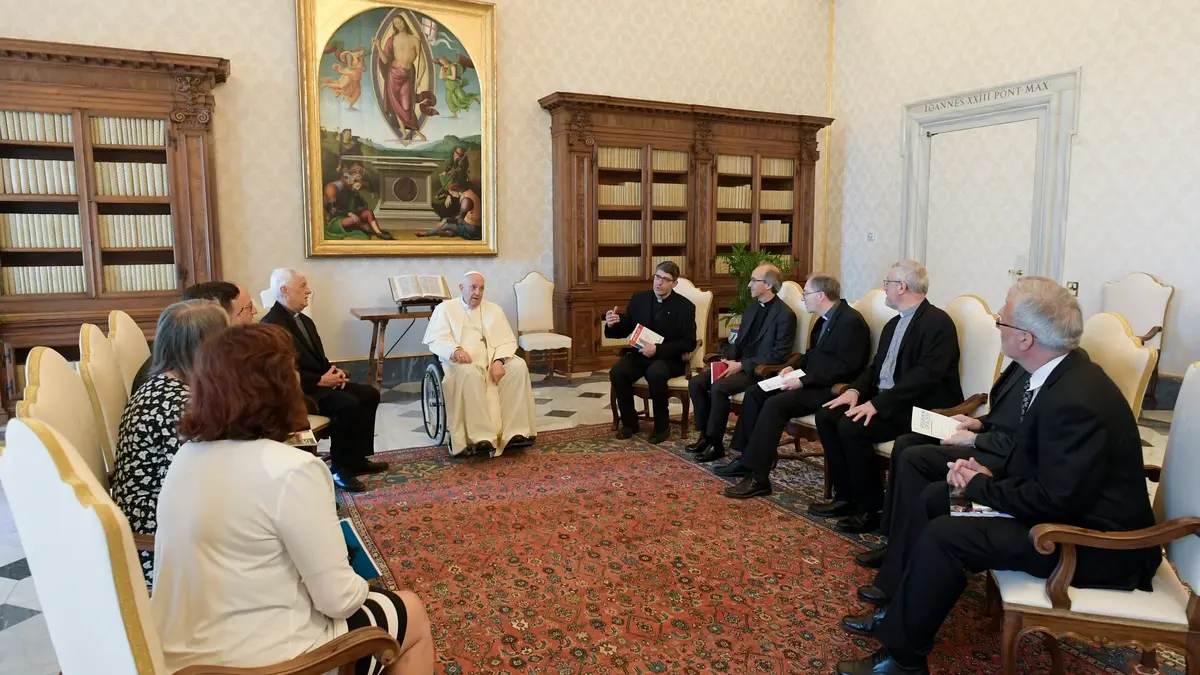
The Holy Father’s appeals resonate across political, cultural, and religious boundaries. Through addresses, diplomatic meetings, and interventions at major international gatherings, the Pope continues encouraging leaders to prioritize the common good over narrow interests. His message remains clear that peace cannot be achieved through rhetoric alone but through concrete commitment to dialogue, compassion, and ethical responsibility.
Renewed Papal Focus on Peace Amid Rising Global Tensions
Over the course of 2025, the Pope has emphasized that peace requires persistent effort, mutual respect, and a willingness to listen. His appeals have highlighted the devastating impact of ongoing conflicts, reminding leaders that the human cost of war extends far beyond numbers and statistics. The Holy Father continues urging governments to work toward negotiated settlements and to uphold international obligations that safeguard human life.
In statements addressing regions affected by conflict, the Pope has called for the protection of civilians and humanitarian workers. These messages underline the importance of humanitarian access, particularly in areas where violence disrupts essential supplies and services. By drawing attention to these issues, the Pope reinforces the Church’s role in advocating for communities most affected by instability.
Diplomatically, the Vatican continues to encourage confidence building measures through quiet engagement with nations involved in conflict. The Pope’s call for a renewed commitment to peace reflects an understanding that long term stability requires both political courage and moral clarity.
Ethical Leadership in an Era of Social Fragmentation
Another major theme of the Pope’s recent appeals is the pressing need for ethical leadership. In today’s world, where political polarization and misinformation continue to strain social cohesion, the Holy Father emphasizes moral responsibility and transparent decision making. His messages encourage leaders to reject practices that deepen division and instead promote dialogue rooted in respect for truth.
The Pope has also stressed that ethical leadership requires protecting the dignity of every person. This includes addressing issues such as migration, economic inequality, and social exclusion. By urging leaders to develop policies that prioritize human dignity, the Holy Father highlights the moral dimension of governance and the responsibility leaders hold toward vulnerable populations.
This call for ethical leadership also extends to environmental concerns. The Pope continues encouraging nations to address ecological challenges with long term vision, pointing out that environmental neglect disproportionately affects the poor and future generations.
Advocating for Humanitarian Responsibility
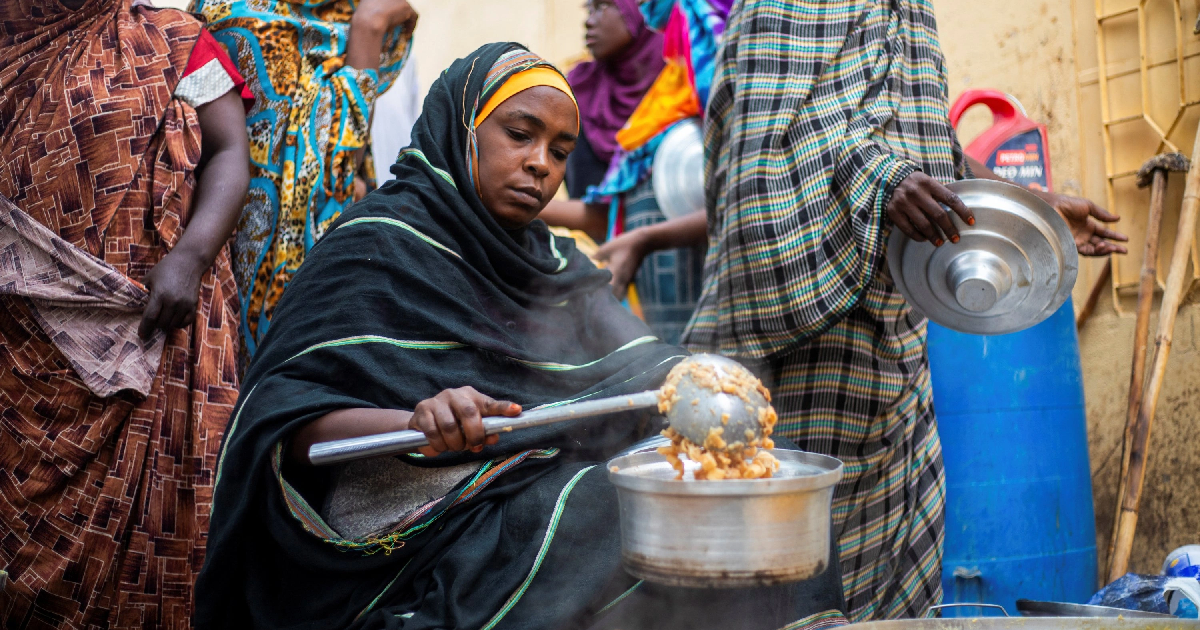
Humanitarian responsibility remains central to the Pope’s appeals, especially in light of continued displacement, food insecurity, and climate related emergencies. The Holy Father has urged the international community to provide sustained support for humanitarian corridors, refugee protection, and development efforts that strengthen long term stability.
He continues highlighting the role of civil society, faith based organizations, and local communities in addressing humanitarian challenges. By recognizing the contributions of those working in difficult settings, the Pope underscores the importance of collaborative solutions rather than isolated interventions.
Humanitarian appeals from the Holy Father also emphasize accountability. He encourages nations and institutions to ensure that aid reaches those most in need and that humanitarian principles are upheld regardless of political circumstances.
Encouraging Dialogue Across Cultures and Traditions
A recurring message in the Pope’s recent appeals is the importance of dialogue as a tool for building trust. The Holy Father stresses that constructive dialogue is essential not only in global politics but also in cultural and religious spheres. Encouraging cooperation among different traditions helps prevent the misuse of religious identity and reduces tensions that can escalate into conflict.
The Pope’s emphasis on dialogue highlights a broader vision for a peaceful global community where differences are addressed through understanding rather than confrontation. This vision reflects the Church’s commitment to fostering environments where diverse groups can coexist peacefully.
Conclusion
The Pope’s recent appeals for peace and ethical leadership reflect a consistent commitment to protecting human dignity and promoting global stability. Through his focus on dialogue, humanitarian action, and moral responsibility, the Holy Father offers guidance that resonates far beyond the Church. These messages continue shaping the international conversation at a time when principled leadership is urgently needed.