
European Bishops Raise Concerns Over New EU Ruling on Marriage Recognition


A recent decision by the Court of Justice of the European Union requiring all member states to recognize same sex unions performed abroad has prompted significant concern among European Catholic bishops, who warn that the ruling may reshape national legal frameworks in ways that extend beyond family policy. The Commission of the Bishops’ Conferences of the European Union noted that the mandate affects countries whose legal structures define marriage in traditional terms, introducing questions about national sovereignty and the interpretation of family law across diverse legal cultures. The case that led to the ruling involved a Polish couple whose union, formalized in Germany, was later refused registration upon their return home. The court determined the refusal to be incompatible with EU law, effectively obligating all member states to acknowledge the civil effects of marriages performed within the bloc, regardless of domestic definitions. Church leaders emphasized that this may intensify legal ambiguity in countries where constitutional or cultural norms associate marriage exclusively with the union of a man and a woman, raising the possibility that existing domestic statutes will face increasing pressure to adapt to supranational standards.
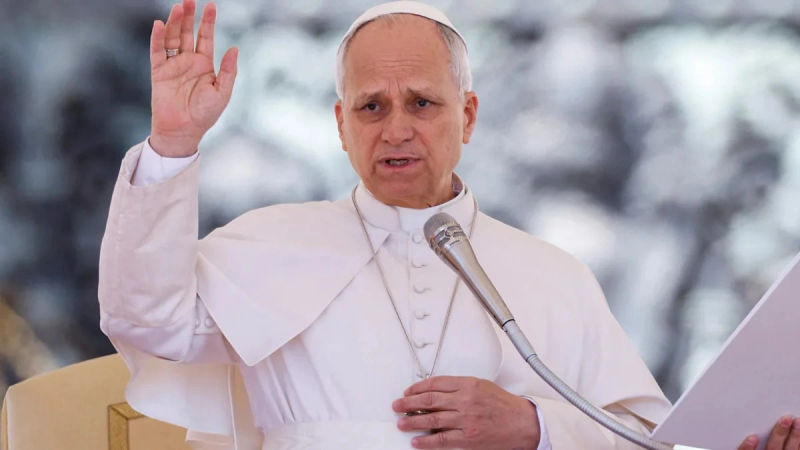
Bishop Mariano Crociata, president of COMECE, highlighted the broader implications of the ruling by referencing the Church’s anthropological understanding of marriage, which he described as grounded in natural law. His statement pointed to Article 9 of the EU Charter of Fundamental Rights, which affirms that the right to marry is exercised according to national legislation, suggesting that the court’s decision may be in tension with the principle it aims to uphold. Nearly half of EU member states do not currently recognize same sex unions, and for these nations the ruling introduces a complex dynamic in which national identity, legal consistency and social expectations intersect. The bishops noted that navigating cross border family law requires prudence, given that hasty or sweeping alterations may undermine public trust during a period already marked by social polarization. They also cautioned that the decision could influence other sensitive legal areas, including bioethical questions such as surrogacy, where definitions of parenthood and family structures vary widely among member states. Their appeal reflects concern that the ruling may be used to foster anti EU sentiment by groups seeking to portray the decision as externally imposed rather than the result of a collaborative legal process.
The bishops urged policymakers to consider the long term effects of the ruling on social cohesion, respectful debate and the credibility of institutions responsible for mediating cultural disagreements. They argued that while freedom of movement and equal treatment under EU law remain essential principles, these must be balanced with recognition of national competence in legislation related to family and personal status. The reaction from Church leadership illustrates how shifts in European legal frameworks can influence discussions about identity, sovereignty and the contours of social policy. As the ruling moves toward implementation, governments are expected to face renewed deliberations over how to align domestic structures with EU obligations while maintaining transparency and public confidence. The bishops’ intervention signals their intention to participate actively in these debates, emphasizing the need for dialogue across political, cultural and religious lines as Europe continues to navigate evolving understandings of family law.