

Alarming Rise in Global Violations Against Children Highlighted on Human Rights Day

New findings released on Human Rights Day have drawn attention to the rapidly escalating violations of children’s rights worldwide, underscoring the scale of humanitarian need as conflicts, displacement and funding shortages intensify across multiple regions. The United Nations children’s agency reported that more than 200 million children will require humanitarian assistance by 2026, prompting the launch of a major global appeal aimed at delivering essential support to 73 million children in 133 countries next year. The figures reflect not only the effects of ongoing wars such as the conflict in Ukraine, where civilians face near daily attacks, but also the consequences of forced returns, instability, hunger and the deterioration of vital public services across crisis affected nations. UNICEF emphasized that children are increasingly caught in overlapping emergencies linked to violence, climate disruption, economic downturns and social collapse, creating vulnerabilities that deepen with each passing year. As humanitarian access becomes more restricted in many regions, the risk of grave violations increases, leaving millions of children exposed to dangers that deprive them of safety, education and basic dignity.
The agency reported that verified violations against children reached unprecedented levels last year, exceeding 41,000 recorded cases and more than doubling the average of the previous two decades. Such violations range from attacks on schools and hospitals to sexual violence, abductions and forced recruitment by armed groups. Compounding the crisis is a severe funding shortfall that in 2025 led to a 72 percent gap in nutritional programs, forcing reductions across priority countries and limiting aid to millions of women and children. UNICEF’s Executive Director warned that frontline staff are now forced to make difficult choices as shrinking humanitarian budgets undermine programs essential for survival and long term recovery. The agency is seeking 7.66 billion dollars to sustain lifesaving interventions, particularly for the 37 million girls and more than 9 million children with disabilities who remain disproportionately affected by conflict and displacement. Without renewed financial commitments, access to medical care, psychosocial support, education and protection services will continue to decline. Many of the hardest hit regions, including Yemen, Sudan, South Sudan and Palestine, are already facing famine level threats, with an additional twelve million children in countries such as Somalia, Nigeria and Haiti confronting similar conditions.
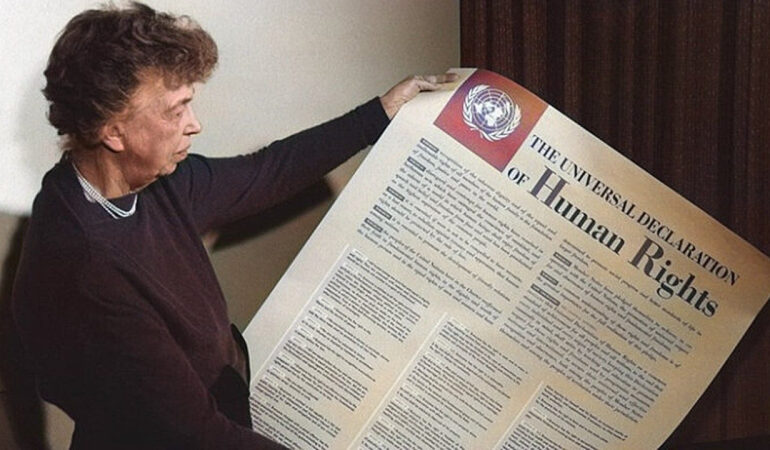
UNICEF stressed that the most urgent needs fall on children forced from their homes by violence or environmental disaster, noting that once stable locations like schools and hospitals have become targets rather than sanctuaries. The agency warned that if current trends continue, the world may face a generation whose basic rights have been consistently denied, undermining prospects for global stability and peace. Analysts caution that reduced humanitarian funding has long term consequences, as cuts to education and protection programs risk perpetuating cycles of poverty, conflict and insecurity. The warning issued on Human Rights Day underscores the disconnect between the principles celebrated seventy five years after the adoption of the Universal Declaration of Human Rights and the realities facing children in conflict zones today. As UNICEF calls for renewed investment and global solidarity, the appeal highlights an urgent moral and humanitarian responsibility toward the most vulnerable populations whose futures depend on the decisions made now.