
Why Pope Leo XIV’s Recent Diplomacy Signals a More Assertive Vatican Role in Global Conflict Resolution
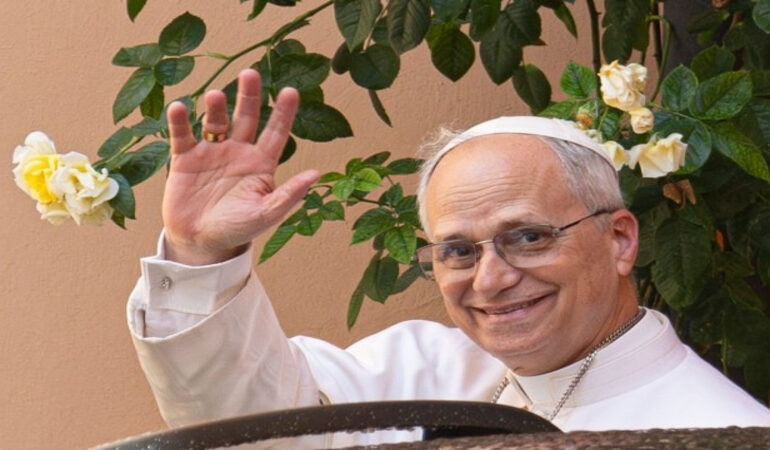

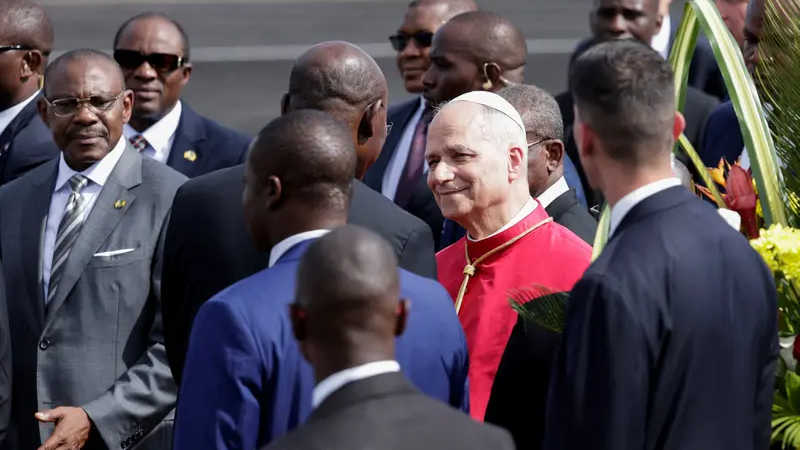
Pope Leo XIV’s recent diplomatic engagements have renewed global attention on the Vatican’s evolving role in international conflict mediation. His meetings with regional leaders, appeals for humanitarian corridors, and targeted interventions in areas affected by prolonged instability have signaled an increasingly proactive orientation. While the Holy See has long positioned itself as a moral voice for peace, the current pontificate is shaping an approach that combines spiritual leadership with strategic diplomatic engagement.
The Vatican’s influence in global affairs traditionally rests on moral authority rather than political power. Yet under Pope Leo XIV, this authority is being used more visibly and more assertively. Through public statements, private dialogues and carefully coordinated initiatives, the pope appears committed to strengthening the Holy See’s ability to foster negotiations during moments of political tension.
A Vatican Diplomatic Framework That Is Becoming More Strategic
The most notable development in Pope Leo XIV’s diplomacy is the shift toward a structured engagement approach rather than ad hoc interventions. Vatican diplomats have increasingly emphasized sustained communication with governments, religious leaders and humanitarian groups. This has produced a framework that aligns moral advocacy with practical diplomatic strategy, allowing the Holy See to operate as a facilitator capable of prompting dialogue when political channels stall.
The pope’s diplomatic style also relies on a consistent message centered on human dignity, protection of civilians and long term peace. By grounding diplomatic appeals in moral principles rather than political alignment, the Vatican maintains credibility as a neutral actor. This neutrality provides the Holy See with a unique advantage when conflicts involve competing geopolitical interests.
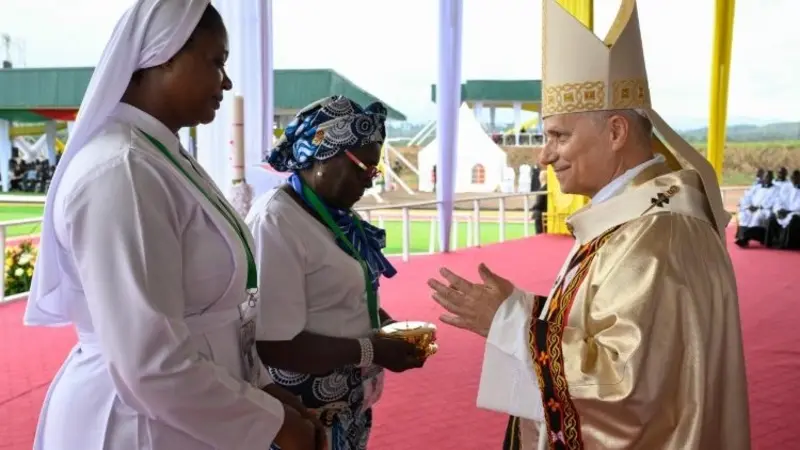
Another important aspect of this strategy is the pope’s direct engagement with regions experiencing humanitarian suffering. This visibility reinforces the Vatican’s message and helps support international calls for ceasefires, access for aid organizations and renewed negotiations. It also demonstrates that the Holy See intends to play a substantive and sustained role rather than offering symbolic statements alone.
Finally, the Vatican is increasingly working to strengthen relationships with international organizations focused on conflict reduction. Through its diplomatic missions, the Holy See is contributing insights on human rights, religious freedom and peacebuilding that complement the work of states and multilateral institutions.
A Renewed Emphasis on Mediation and Dialogue
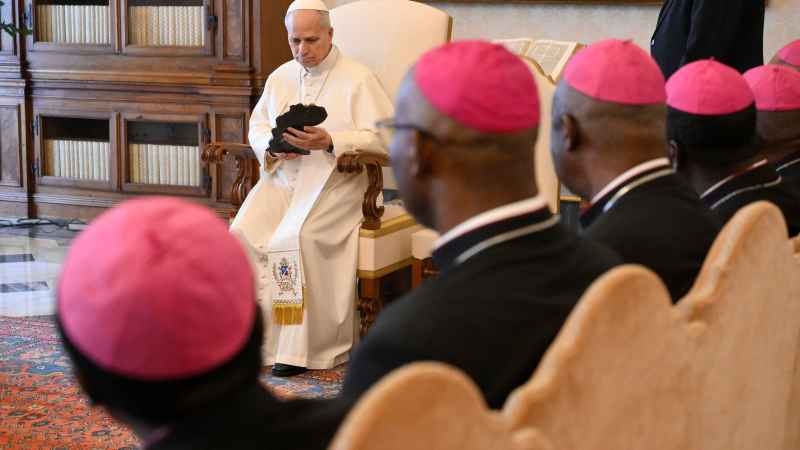
Pope Leo XIV has consistently highlighted dialogue as the most effective tool for preventing escalation. The Vatican’s recent involvement in encouraging communication between opposing parties underscores this commitment. Mediation efforts often take place quietly, with the Holy See serving as a bridge when formal negotiations become strained.
This emphasis on dialogue has translated into increased behind the scenes activity from Vatican diplomatic teams. They focus on identifying shared interests, reducing mistrust and opening discreet channels of communication. Even when outcomes remain uncertain, these efforts help maintain opportunities for peaceful resolution.
The Vatican’s approach also seeks to address the human dimension of conflict. By advocating for displaced populations, vulnerable communities and victims of violence, the pope underscores that peace efforts must prioritize people rather than political calculations.
Humanitarian Advocacy as a Diplomatic Tool
Humanitarian advocacy has become a central component of Pope Leo XIV’s diplomatic influence. Calls for immediate assistance, protection of civilians and secure aid routes serve both moral and strategic functions. They reinforce the Vatican’s humanitarian identity while applying pressure on parties to comply with international norms.
This advocacy also expands the Vatican’s engagement with civil society organizations working in regions affected by conflict. By aligning moral appeals with on the ground realities, the pope’s interventions help encourage broader participation in humanitarian responses.
The Global Implications of a More Assertive Vatican Presence
A more active Vatican presence in international conflict resolution may shape diplomatic expectations worldwide. Governments often view the Holy See as a stabilizing actor capable of promoting restraint in times of heightened tension. As Pope Leo XIV continues to develop this diplomatic direction, the Vatican may become an even more influential participant in global efforts promoting peace and reconciliation.
Conclusion
Pope Leo XIV’s recent diplomacy signals a clear shift toward a more assertive and structured Vatican role in conflict resolution. Through strategic engagement, mediation efforts and strong humanitarian advocacy, the Holy See is positioning itself as an indispensable moral and diplomatic partner in global peacebuilding.