Venezuelan Cardinal Faces Travel Restriction Amid Rising Political Tensions
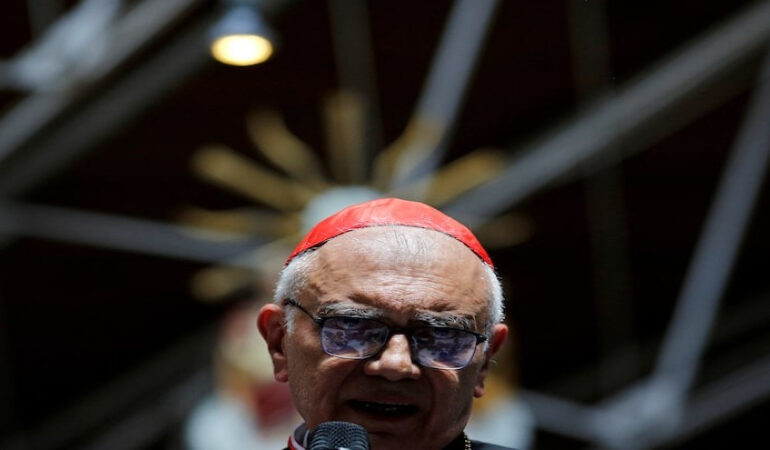

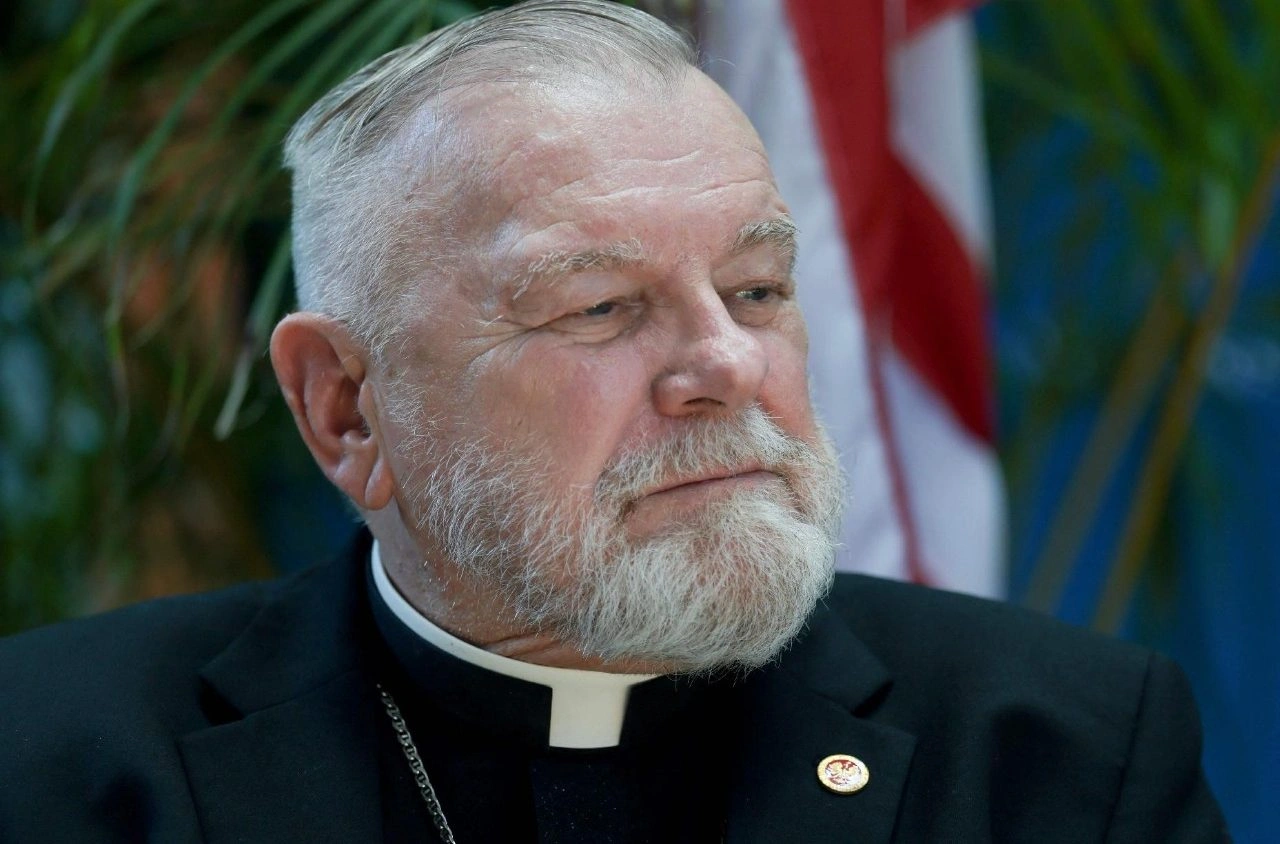
Venezuelan Cardinal Baltazar Porras reported that his passport was confiscated by immigration authorities, preventing him from traveling abroad as planned. The incident occurred at Simon Bolivar International Airport in Maiquetia, near Caracas, where officials reportedly claimed his travel document was “not up to date.” Porras, a senior figure in the Catholic Church of Venezuela, was scheduled to attend a series of church-related events in Madrid in mid-December. The restrictions forced him to return home, and he described close surveillance by security personnel even during basic movements in the airport, highlighting the heightened scrutiny surrounding high-ranking Church representatives in the country.
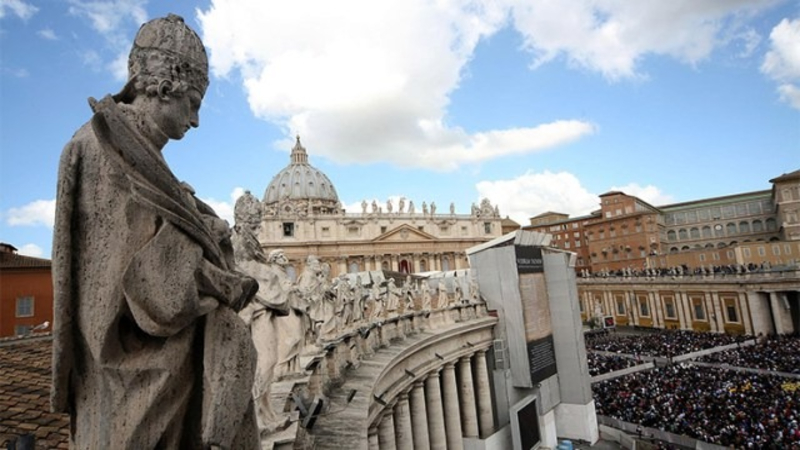
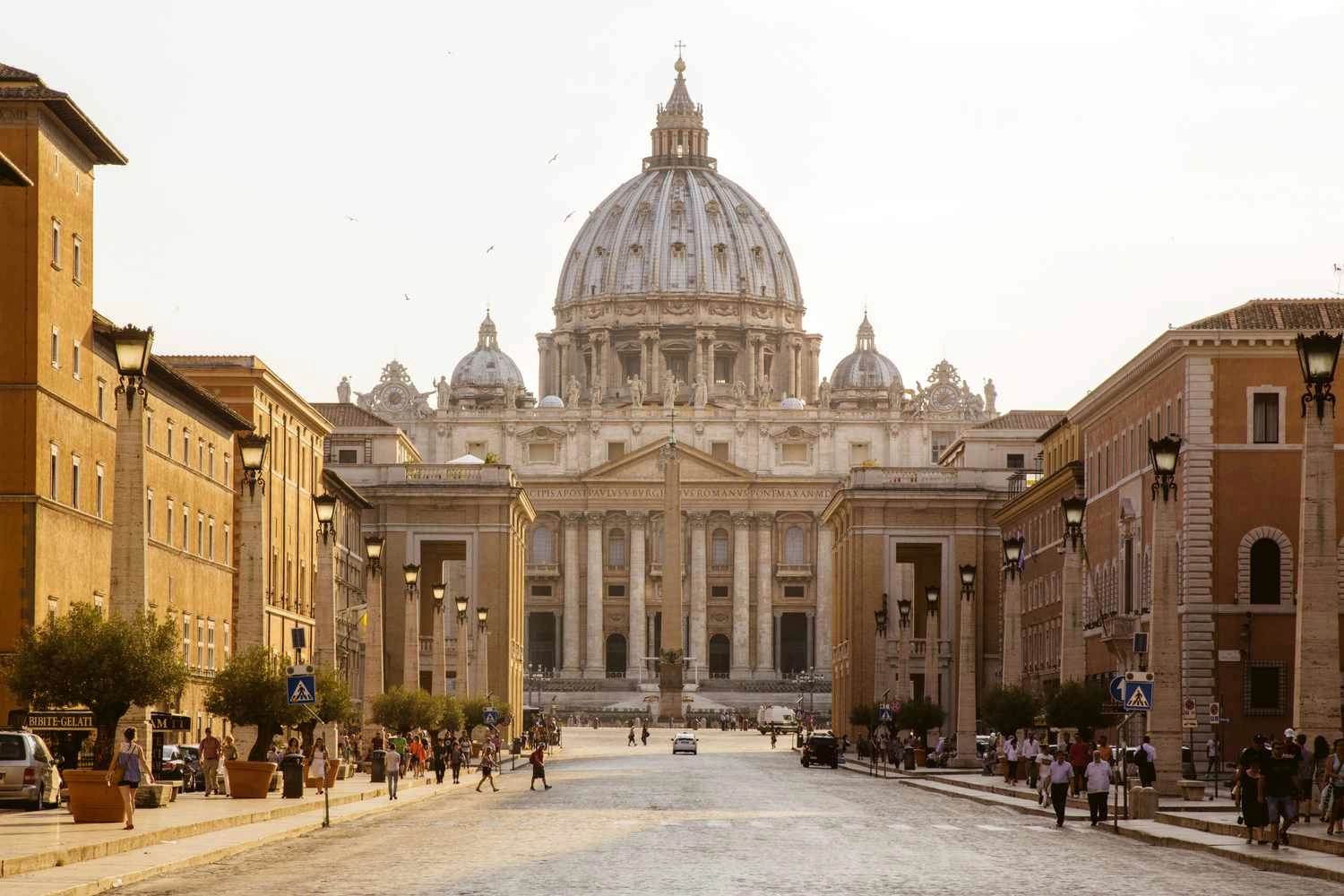
The travel ban comes amid longstanding tensions between the Venezuelan government and the Catholic Church. Relations have been strained over the years due to differing positions on human rights, political reforms, and public advocacy by Church leaders. During the canonization of Venezuelan physician Jose Gregorio Hernandez at the Vatican in October, Church authorities emphasized the importance of respecting human rights and releasing political detainees. The government has publicly accused Porras and other Church figures of opposing state initiatives, creating a politically charged environment that affects both Church and civil activities.
The restrictions on Porras occur in the context of ongoing political challenges within Venezuela, including movements by opposition leaders to gain international recognition and awards. Notably, opposition figure Maria Corina Machado was traveling internationally despite longstanding travel prohibitions, drawing attention to contrasting treatments of religious and political actors by authorities. Analysts observe that such incidents reflect the broader environment of governance, law enforcement, and civil liberties in the nation, which can intersect with the activities of religious institutions and highlight vulnerabilities for prominent Church figures.
Church sources indicate that Porras’ itinerary included engagements that underscore the Vatican’s international influence and coordination among its global representatives. The incident illustrates the intersection of faith-based leadership with domestic political considerations, particularly in regions where religious authorities have historically served as advocates for social and ethical causes. Observers note that travel limitations on Church officials can have implications for diplomatic relations, international ecclesiastical cooperation, and the perception of religious freedom within the country, reinforcing the delicate balance between state authority and religious autonomy.
The Vatican has consistently promoted adherence to ethical governance and human rights, while its representatives navigate complex political environments abroad. Porras’ experience exemplifies the challenges faced by Church leaders operating under restrictive or volatile regimes. It further demonstrates the role of the Catholic Church in advocating for transparency, social justice, and human dignity, even when these actions place its representatives under heightened governmental scrutiny. The careful documentation and reporting of such incidents are essential to understanding the interplay between faith, politics, and international advocacy.