

Latin American Clergy Lead New Social Missions to Support Displaced Families
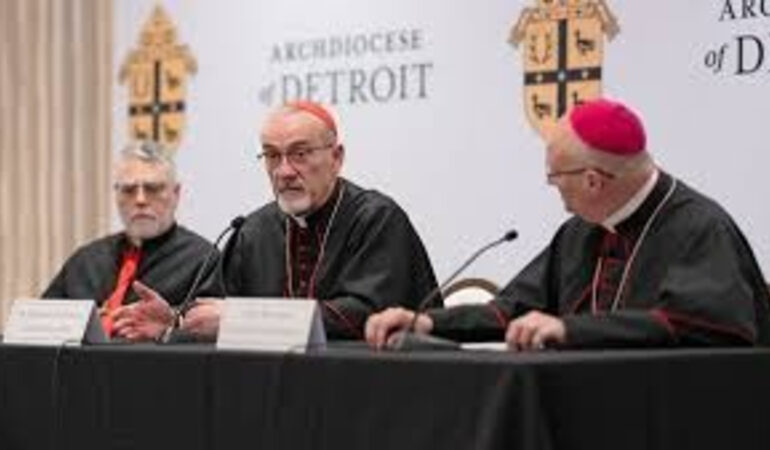

Clergy across Latin America are launching new social missions aimed at supporting families displaced by conflict, economic hardship and environmental crises. These initiatives respond to a growing humanitarian need as migration patterns continue to intensify across the region. The Church remains one of the most accessible and trusted institutions for communities facing instability, and clergy are expanding their outreach to provide emotional, spiritual and material assistance to those affected.
These missions emphasize the Church’s commitment to serving vulnerable populations while fostering solidarity across borders. Many families seeking safety encounter significant challenges such as disrupted schooling, limited access to basic services and lack of stable housing. Latin American clergy hope that renewed coordination between parishes, dioceses and humanitarian organizations will help alleviate these burdens and restore a sense of dignity for displaced communities.
Expanding parish based support systems
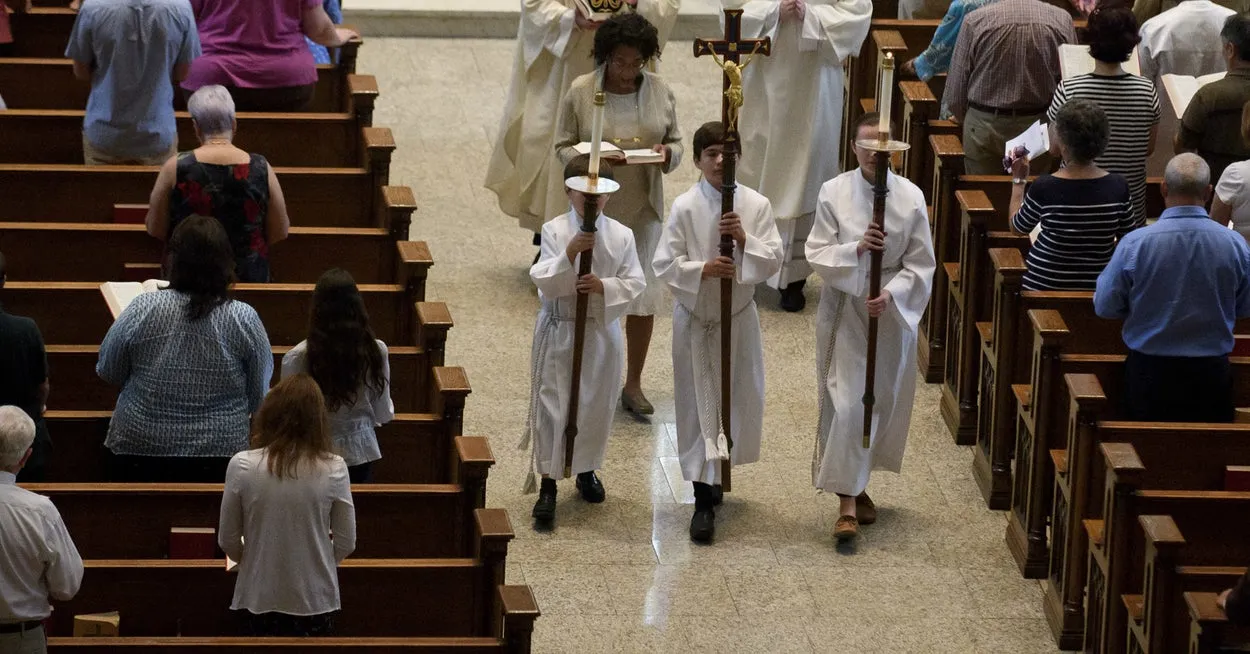
At the heart of these new missions is the expansion of parish based support networks. Local parishes often provide immediate assistance, offering food, temporary shelter and guidance to families navigating unfamiliar environments. Clergy highlight that parishes are not only spiritual centers but also essential community hubs capable of responding quickly to urgent needs.
In many regions, parishes are forming volunteer teams dedicated to outreach activities, including language support, transportation assistance and connecting families with medical and legal resources. By reinforcing these networks, the Church aims to create sustainable structures that can adapt to the evolving challenges of displacement.
Strengthening collaboration with humanitarian organizations
The missions also include strengthened partnerships between the Church and established humanitarian agencies operating in Latin America. These collaborations help combine local knowledge with broader logistical support, ensuring that aid reaches communities with greater efficiency. Clergy emphasize that cooperation is essential because no single institution can address the multifaceted challenges faced by displaced families.
Joint efforts often include distributing emergency supplies, providing long term counseling services and supporting community reintegration programs. This collaborative approach allows both Church led and humanitarian initiatives to complement one another, creating a coordinated response that is more impactful than isolated efforts.
Addressing the emotional and spiritual needs of displaced families
Beyond material assistance, clergy are paying close attention to the emotional and spiritual challenges faced by displaced families. Many individuals experience trauma, loss of identity and uncertainty about their future. The Church offers spaces where people can share their experiences, receive pastoral counseling and find support within a welcoming community.
Clergy emphasize that spiritual care is integral to healing, helping individuals rebuild confidence and hope in times of hardship. Activities such as prayer groups, youth programs and community gatherings help displaced families form new bonds and regain a sense of belonging. These programs reflect the Church’s belief that emotional and spiritual strength are essential components of long term recovery.
Promoting long term integration and social participation
While immediate relief remains critical, the clergy’s missions also focus on promoting long term integration. This includes educational support for children, skills training for adults and initiatives that encourage social participation in local communities. Clergy note that lasting stability for displaced families requires more than temporary aid; it depends on empowering individuals to contribute meaningfully to their new environments.
These initiatives help families regain independence and strengthen community cohesion, reducing the risk of marginalization. By fostering opportunities for social engagement, the Church encourages displaced individuals to take part in building a stable and inclusive community life.
Conclusion
The new social missions led by clergy across Latin America reflect the Church’s deep commitment to supporting displaced families through compassionate outreach and collaborative action. By expanding parish networks, strengthening partnerships and addressing both material and spiritual needs, these initiatives offer hope and stability to communities seeking a new beginning.