

Catholic Educators Launch Global Campaign to Strengthen Spiritual Literacy in Schools
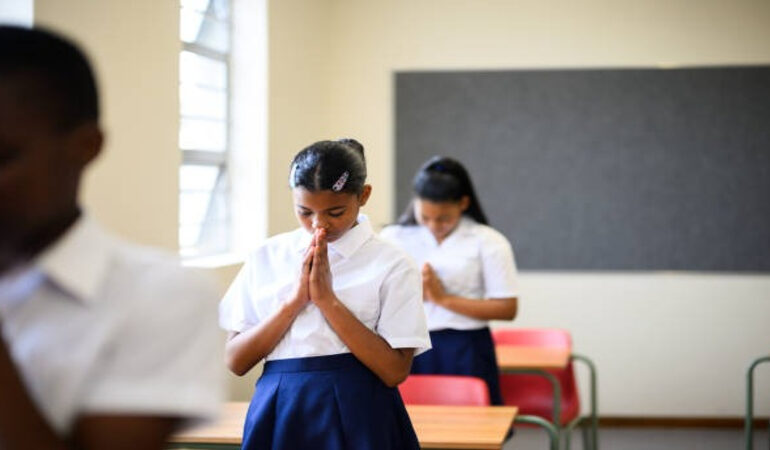

Catholic educators from various regions have introduced a new global campaign aimed at strengthening spiritual literacy among students in primary and secondary schools. This initiative responds to growing concern that many young people lack opportunities to explore faith, moral reasoning and inner reflection in today’s fast paced and heavily digital learning environments. Educators emphasize that spiritual literacy is not limited to religious knowledge but includes understanding compassion, purpose, human dignity and responsible decision making.
The campaign encourages schools to integrate spiritual themes into academic life through age appropriate activities, guided reflection and dialogue. Educators hope these efforts will help students develop deeper self awareness and respect for others while promoting healthy emotional and social growth. As societies face increasing levels of distraction and anxiety, the initiative aims to restore balance by fostering spaces where students can reflect on values that shape their lives beyond academic achievement.
Expanding spiritual formation within school communities
A central element of the campaign is the renewed focus on spiritual formation as an essential part of holistic education. Catholic educators stress that nurturing the spiritual dimension helps students build resilience, empathy and a sense of meaning. Schools are encouraged to provide regular opportunities for reflection through classroom discussions, guided devotionals and community service projects that connect faith with daily life.
Educators highlight that these activities should be accessible and respectful of diverse backgrounds while still offering clear grounding in Catholic values. By helping students explore questions about purpose, responsibility and hope, spiritual literacy becomes a foundation for healthier relationships and stronger communities. Schools implementing these practices report that students often respond positively when given space to explore deeper perspectives.
Integrating spiritual themes into academic subjects
The campaign also encourages teachers to incorporate spiritual perspectives into various academic disciplines. Literature, history, art and social studies offer natural opportunities to engage students in discussions about human experience, moral choices and the role of faith across cultures. Educators believe that integrating these themes helps students see connections between spiritual insights and real world challenges.
This approach does not replace academic standards but enriches them by offering broader context and encouraging critical thinking. When students learn to recognize spiritual dimensions in the stories and events they study, they gain a more balanced understanding of humanity and the values that shape societies. Such integration supports intellectual curiosity while grounding learning in ethical reflection.
Supporting student well being through reflective practices
Another key focus of the campaign is student well being. Many schools have noted rising levels of stress and social pressure among young people. Catholic educators believe that reflective practices rooted in spiritual literacy can help students manage these challenges more effectively. Activities such as quiet reflection, journaling, guided prayer or moments of silence allow students to process emotions and cultivate inner calm.
These practices are intended to complement academic expectations by promoting mental clarity and emotional balance. Educators observe that when students regularly engage in reflection, they often develop greater patience, mindfulness and awareness of their personal strengths. This contributes to healthier school environments where respect and cooperation are more naturally expressed.
Strengthening community through shared values
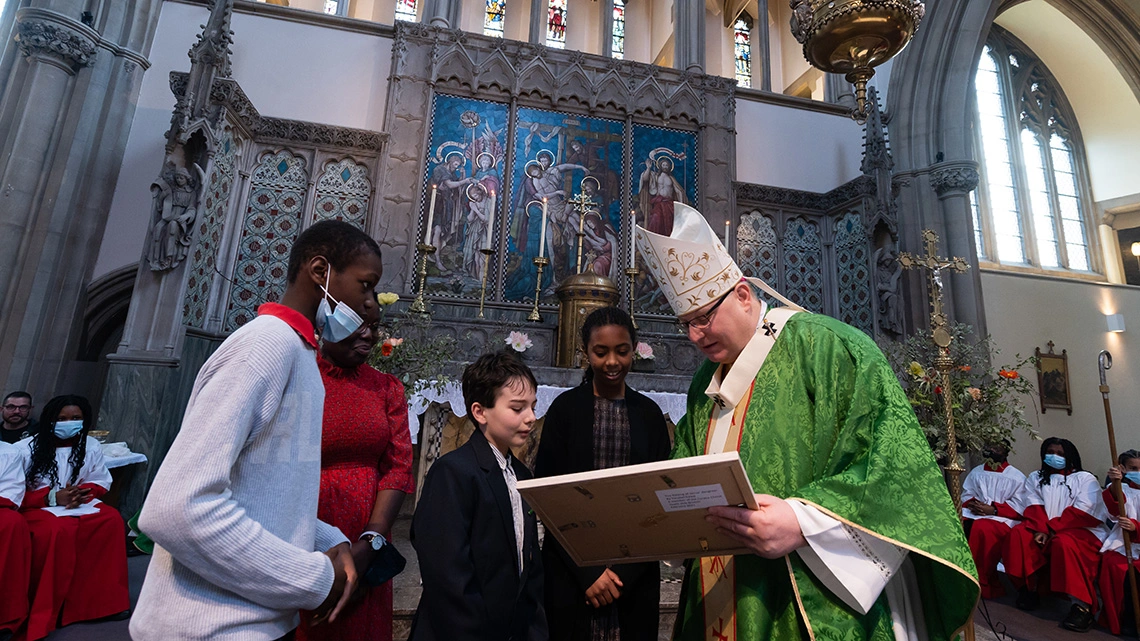
The campaign also highlights the importance of building community through shared values. Schools are encouraged to create a culture where dignity, compassion and service are consistently modeled by teachers and embraced by students. Events such as service days, community outreach projects and faith based celebrations help unify students around a common purpose.
Catholic educators stress that spiritual literacy is not an isolated subject but a way of cultivating collective identity. When students understand and participate in traditions that highlight the value of each person, they develop habits that contribute to a more supportive and inclusive community. These efforts help reinforce the understanding that spiritual growth is a shared journey.
Conclusion
The global campaign launched by Catholic educators seeks to strengthen spiritual literacy as a vital component of student development. By integrating reflection, values based learning and community engagement into school life, the initiative supports emotional well being and encourages students to cultivate a deeper sense of purpose and compassion.