
Catholic Human Rights Groups Mobilize Against Rising Persecution of Minority Faiths
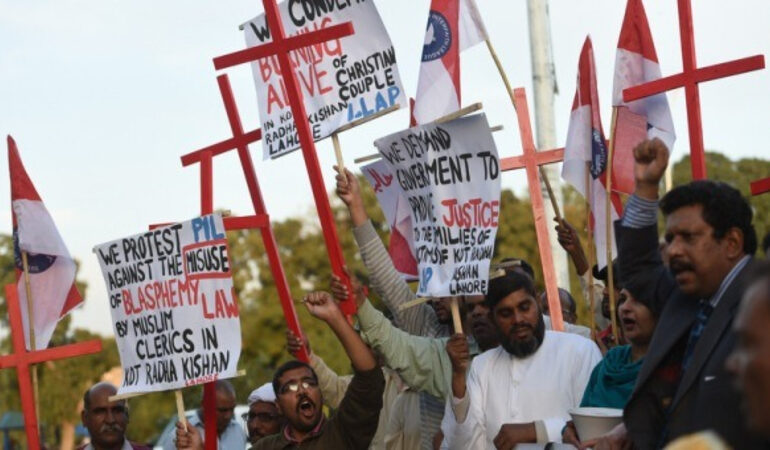

Catholic human rights organizations are intensifying their efforts to respond to the global rise in persecution faced by minority faith communities. Reports from multiple regions indicate increased pressure on groups who already struggle with limited legal protections, social discrimination and restricted access to public services. Catholic advocates stress that defending religious freedom is not only a legal concern but a moral imperative rooted in the inherent dignity of every person.
These organizations are expanding outreach, strengthening partnerships and increasing public awareness to highlight these violations. Their work reflects the broader mission of the Church to support communities whose safety and rights are threatened. As persecution becomes more visible in conflict zones and politically unstable regions, Catholic human rights leaders emphasize the need for coordinated international action to uphold the fundamental right to worship freely.
Expanding advocacy to protect vulnerable religious communities
Catholic human rights groups are increasing advocacy efforts aimed at drawing global attention to the plight of minority faiths. This includes preparing detailed reports, engaging policymakers and encouraging diplomatic dialogue to ensure that violations are addressed. These organizations often collaborate with local religious leaders who witness persecution firsthand, allowing them to amplify voices that are frequently overlooked.
Advocates are particularly concerned about instances where minority communities face violence, arson, arbitrary detention or restrictions on public religious expression. Their goal is to ensure that governments and international institutions recognize these dangers and adopt policies that offer better protection. By raising awareness, Catholic groups aim to build pressure that results in meaningful change.
Strengthening partnerships with local and international organizations
Catholic human rights groups are deepening collaboration with humanitarian agencies, peacebuilding organizations and other faith based institutions to create a unified response to persecution. These partnerships help coordinate resources, share information and provide support to communities facing immediate danger. Working together also increases the credibility of advocacy efforts and broadens their global reach.
Local partners play a crucial role by identifying needs and helping implement relief strategies tailored to specific cultural contexts. Support often includes legal aid, emergency assistance and rebuilding efforts following acts of violence. Through these coordinated efforts, Catholic organizations seek to ensure that persecuted communities receive both material and moral support.
Promoting education and awareness on religious freedom
Education is another important component of the mobilization effort. Catholic groups emphasize that raising awareness about religious freedom helps reduce prejudice and promotes social cohesion. Workshops, public forums and digital campaigns are being used to educate communities about the importance of protecting religious minorities. These initiatives also encourage individuals to recognize and challenge discrimination when they encounter it.
By informing broader audiences, human rights advocates hope to prevent hostility from escalating into violence. Awareness campaigns also highlight the long term benefits of religious coexistence, such as stronger social stability and increased trust among diverse populations. This educational approach supports the Church’s belief that understanding and respect are essential foundations for peace.
Supporting survivors and rebuilding affected communities
Beyond advocacy, Catholic human rights groups provide direct support to individuals and families affected by persecution. This includes emergency shelter, counseling, financial assistance and help rebuilding homes or places of worship. Many communities lose not only material resources but also their sense of safety and identity. Support efforts aim to restore dignity and help survivors rebuild lives disrupted by violence or discrimination.
Clergy and lay volunteers often assist with pastoral care, offering emotional and spiritual guidance during recovery. This support strengthens community resilience and helps survivors regain hope. Catholic organizations emphasize that long term healing requires ongoing accompaniment and sustained commitment to justice.
Conclusion
The mobilization of Catholic human rights groups reflects a growing commitment to defending minority faith communities facing persecution around the world. Through advocacy, partnerships, education and direct support, these organizations work to uphold religious freedom and protect vulnerable populations. Their efforts underscore the Church’s enduring mission to defend human dignity wherever it is threatened.