
Pope Highlights Mary as Source of Hope Amid Global Strain
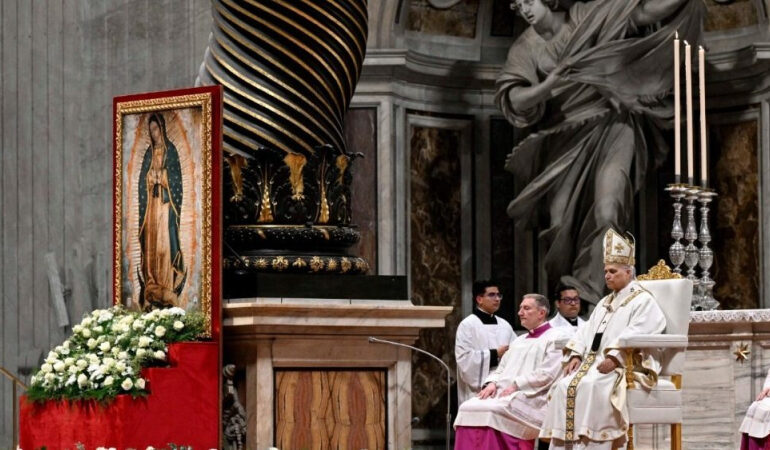

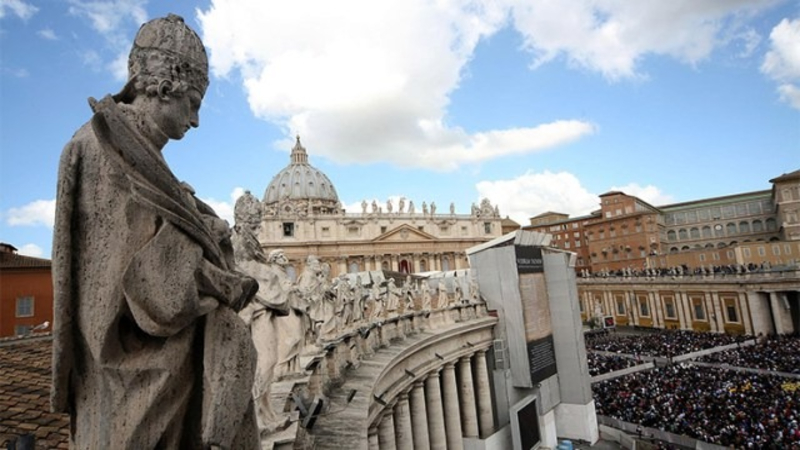
Pope Leo XIV used the Feast of Our Lady of Guadalupe to reflect on the role of Mary as a source of hope and interior renewal in societies marked by conflict, inequality, and spiritual fatigue. Celebrating Mass at St Peter’s Basilica, he described Christian tradition’s understanding of Mary as the mother of love who welcomes the realities of the world into her life and allows them to be transformed. He noted that the Gospel presents Mary as a figure whose joy is not detached from suffering, but emerges precisely where human resources fall short. In this sense, her presence speaks to communities experiencing instability and social fragmentation, offering a reminder of dignity and belonging rooted in faith rather than circumstance. The Pope framed the feast not only as a devotional moment, but as a theological reflection on how faith traditions sustain moral resilience in periods of uncertainty.
Drawing on the historical and cultural significance of Guadalupe, Pope Leo emphasized the importance of communication that respects identity and lived experience. He recalled that Mary addressed Juan Diego in his own language, presenting this gesture as a model for engagement that honors culture rather than imposing uniformity. In a world facing persistent injustice and displacement, he said, the message associated with Guadalupe continues to resonate as an assurance of presence rather than abandonment. The Pope suggested that this message has relevance beyond religious devotion, pointing to broader social questions about inclusion, solidarity, and care for those who feel unseen. By highlighting Mary as a sustaining presence during moments when life becomes overwhelming, he connected Marian theology with contemporary ethical concerns about accompaniment and responsibility within fractured societies.
The homily also addressed the practical implications of faith for leadership, families, and younger generations. Pope Leo spoke of the need to resist division into rigid camps and called for renewed efforts to support family life, guide young people, and reach those who feel distant from religious institutions. He linked these challenges to the responsibility of leadership within the Church, including his own role, describing it as a service aimed at fostering unity and moral clarity. The reflection concluded with an emphasis on continuity between belief and action, suggesting that the Gospel, when lived authentically, has the capacity to restore trust and coherence in communal life. Framed within a global context, the message underscored how religious traditions continue to shape ethical discourse and institutional responsibility in the modern world.