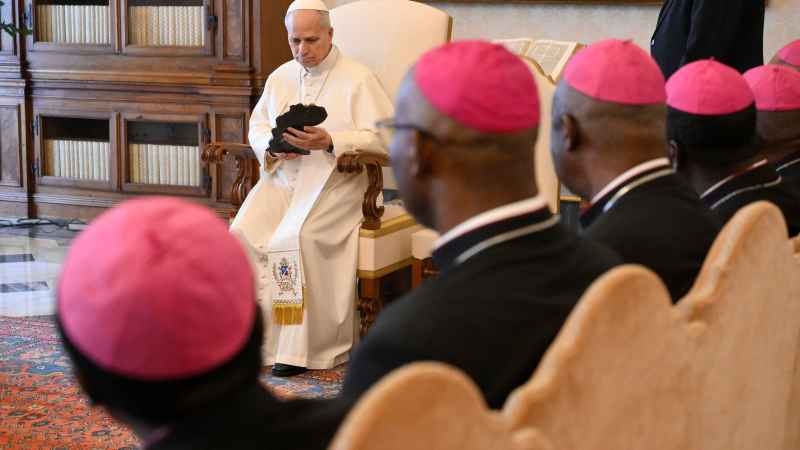


Understanding Vatican Governance Reforms Without Political Speculation
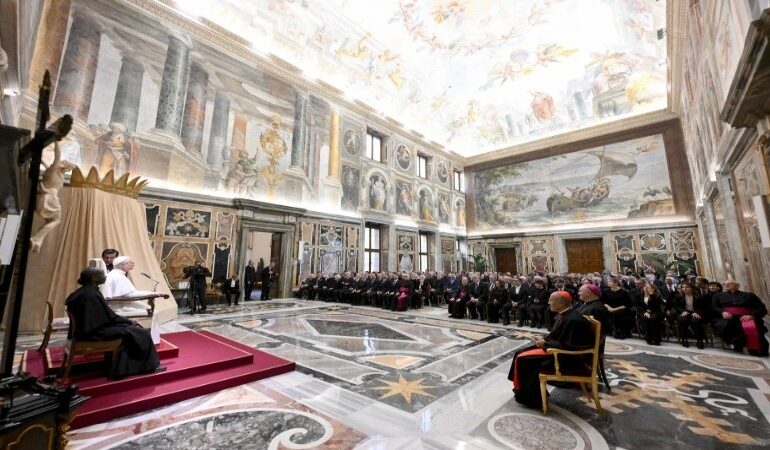

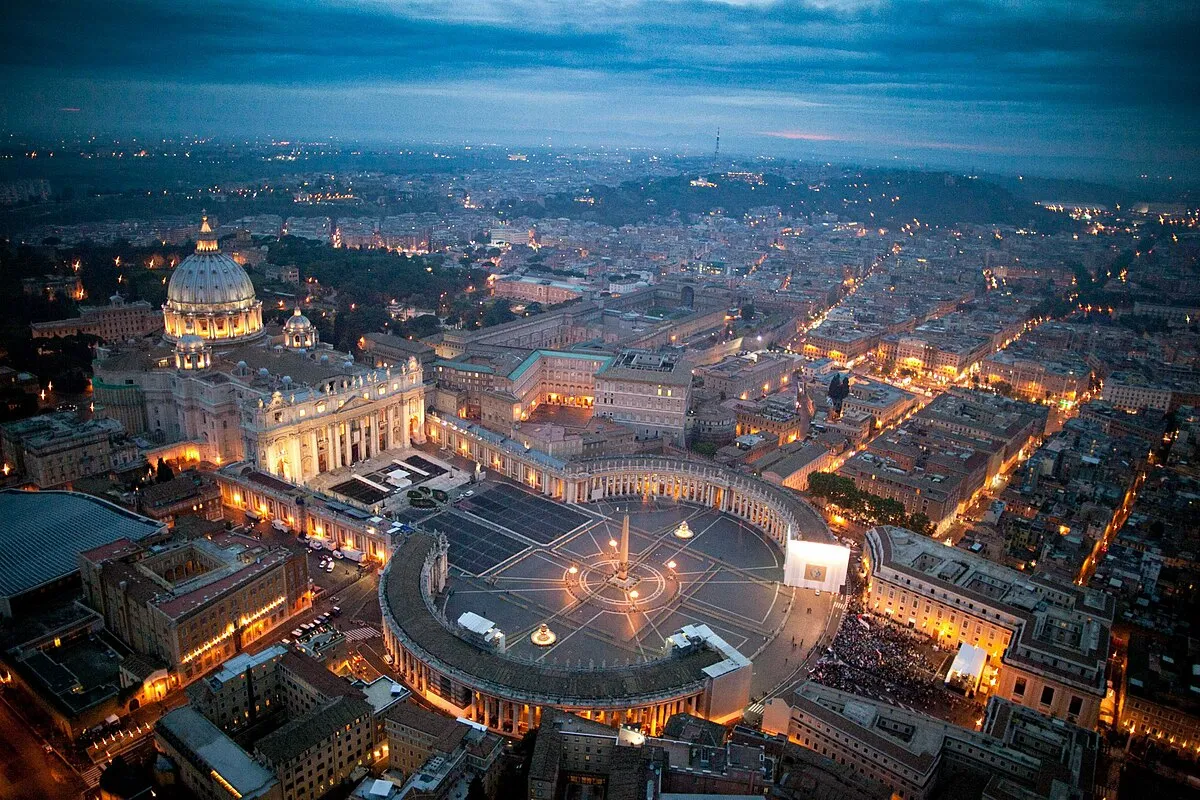
The governance of the Vatican has long attracted attention because of its unique role as both a spiritual authority and a sovereign institution. In recent years, reforms to Vatican governance structures have aimed to improve accountability, efficiency, and coordination across the Holy See. These changes are often discussed through political or ideological lenses, yet their primary purpose remains institutional and pastoral rather than partisan.
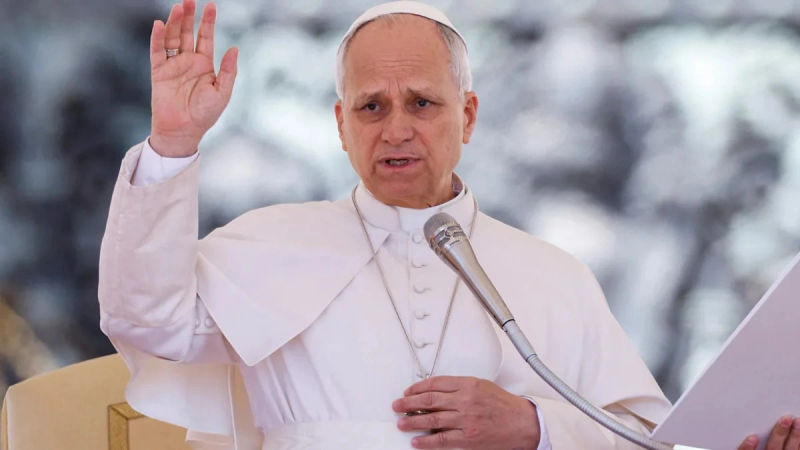
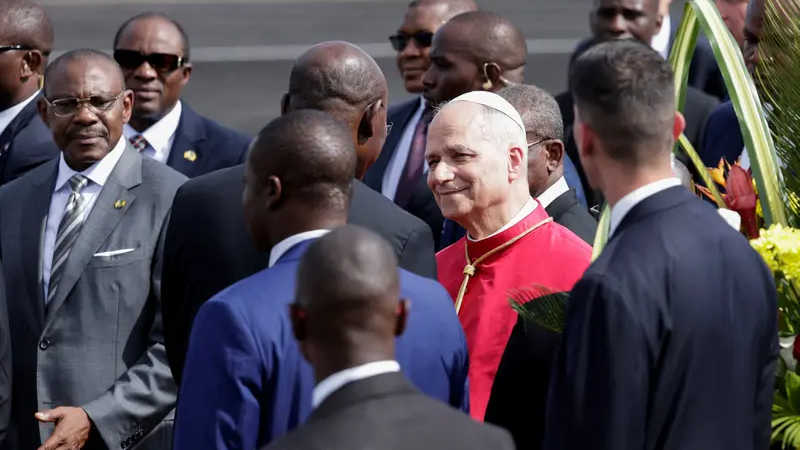
Under Pope Leo XIV, the Church has continued to emphasize that governance reforms are designed to strengthen mission, not to mirror secular political systems. Vatican governance operates within a distinct framework shaped by canon law, tradition, and moral responsibility. Understanding these reforms without speculation requires focusing on their structural intent and long term objectives rather than external narratives.
Why Governance Reform Matters for the Vatican’s Mission
Vatican governance reforms are rooted in the need to ensure that Church institutions serve their spiritual and administrative responsibilities effectively. The Holy See oversees a global Church with diverse pastoral, diplomatic, and charitable activities. Clear governance structures help coordinate these efforts while safeguarding ethical standards.
Reform efforts have focused on clarifying roles, improving oversight, and ensuring transparency in decision making. These changes are intended to support credibility and trust, both within the Church and in its engagement with international partners. Rather than altering doctrine, governance reform addresses how responsibilities are carried out in service of the Church’s mission.
Structural Changes Aimed at Accountability and Transparency
One of the central goals of Vatican governance reform has been strengthening accountability. This includes clearer reporting lines, standardized procedures, and improved internal controls across departments. Such measures reflect a recognition that effective governance supports moral leadership.
Transparency initiatives are designed to ensure that decisions are documented and responsibilities clearly assigned. These reforms respond to practical needs rather than political pressure. By improving administrative clarity, the Vatican seeks to prevent misunderstandings and reinforce confidence in institutional processes.
Separating Governance From Political Narratives
Public discussion of Vatican reform often imports political assumptions that do not accurately reflect how the Church operates. Vatican governance is not driven by electoral cycles or partisan competition. Its reforms are guided by ecclesial priorities such as unity, stewardship, and service.
Pope Leo XIV has emphasized that governance exists to support evangelization and pastoral care. Interpreting reforms through political frameworks risks obscuring their true purpose. A non political reading allows observers to understand reforms as institutional adjustments shaped by theological and moral considerations.
Continuity and Stability in Vatican Leadership
Another key aspect of governance reform is continuity. Changes are typically gradual and carefully implemented to preserve stability. This approach reflects the Vatican’s responsibility to manage long term institutional needs rather than short term outcomes.
Under current leadership, reforms continue along established paths while being reviewed for effectiveness. This steady approach underscores that governance reform is an ongoing process rather than a single event. Stability ensures that reforms enhance coordination without disrupting the Church’s broader mission.
Global Implications of Vatican Governance
Vatican governance reforms also have global implications because of the Holy See’s diplomatic and moral presence. Clear governance strengthens the Vatican’s ability to engage constructively with governments, international organizations, and faith communities worldwide.
By reinforcing ethical oversight and administrative coherence, the Vatican enhances its credibility in global conversations. These reforms support the Church’s role as a moral voice by ensuring that its institutional structures reflect the values it promotes publicly.
Conclusion
Understanding Vatican governance reforms requires moving beyond political speculation and focusing on their institutional purpose. Under Pope Leo XIV, these reforms continue to emphasize accountability, transparency, and stability in service of the Church’s global mission.