
How the Global Church Responds to Growing Social and Cultural Polarization

Across continents and cultures, societies are experiencing deeper social and cultural polarization. Political divisions, identity debates, and economic pressures have reshaped public life and strained community relationships. As a global institution present in diverse contexts, the Catholic Church faces the challenge of responding to these divisions while remaining faithful to its spiritual mission and moral teaching.
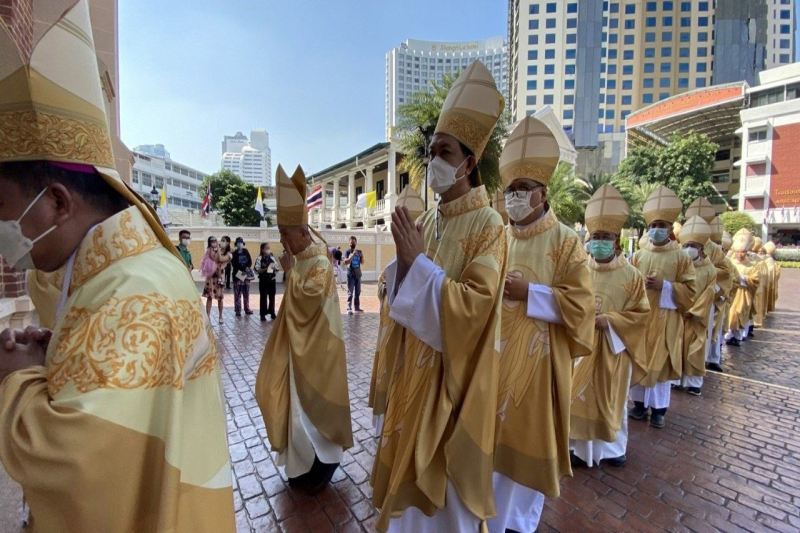
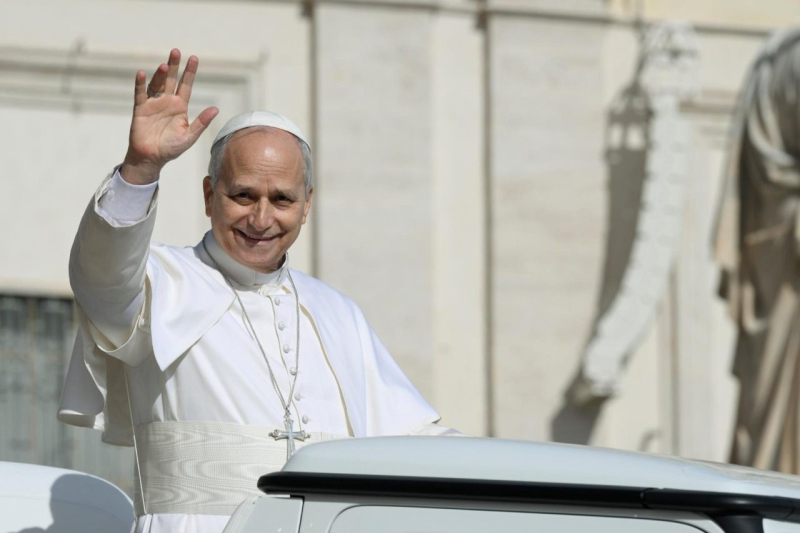
The global Church does not operate within a single cultural or political framework. Its presence spans democracies, authoritarian systems, secular societies, and deeply religious communities. This diversity requires a response to polarization that prioritizes unity, dialogue, and moral clarity without becoming entangled in ideological conflict. Under Pope Leo XIV, the Church continues to emphasize its role as a bridge builder in a fragmented world.
The Church’s Mission of Unity in a Divided World
The Catholic Church understands unity as central to its identity. This unity is not uniformity but a shared commitment to faith, dignity, and the common good. In polarized societies, the Church seeks to remind communities that deeper bonds exist beyond political or cultural divisions.
Through teaching and pastoral guidance, Church leaders encourage Catholics to resist narratives that reduce people to opposing camps. The Church emphasizes that faith calls believers to recognize one another as members of a shared human family. This vision of unity provides a moral alternative to social fragmentation.
Encouraging Dialogue Across Cultural Differences
Dialogue is a key tool the global Church uses to respond to polarization. In regions marked by ethnic, religious, or ideological tension, Church leaders promote respectful conversation rooted in listening and mutual recognition. Dialogue is presented not as compromise of truth but as a way to encounter others with honesty and respect.
The Church supports initiatives that bring together individuals from different backgrounds to address shared concerns. By fostering spaces for encounter, the Church helps communities move beyond fear and misunderstanding. This approach reflects a belief that dialogue can reduce hostility and rebuild trust.
Pastoral Responses to Polarized Communities
At the local level, polarization often affects parish life and community relationships. The Church responds pastorally by encouraging clergy and lay leaders to accompany people without reinforcing division. Pastoral care focuses on healing wounds rather than amplifying conflict.
Church leaders are encouraged to speak with prudence, avoiding language that deepens polarization. By emphasizing compassion, patience, and discernment, the Church seeks to create environments where people feel heard and valued. This pastoral approach helps maintain unity even amid disagreement.
Moral Teaching as a Source of Common Ground
The Church’s moral teaching offers principles that transcend political divisions. Concepts such as human dignity, solidarity, and responsibility provide a shared ethical foundation that can unite people with differing views. Rather than aligning with partisan positions, the Church invites reflection on these enduring values.
In polarized contexts, moral teaching serves as a reference point for evaluating social issues without reducing them to ideological debates. This allows the Church to contribute meaningfully to public discourse while maintaining independence from political agendas. Moral clarity supports engagement without entanglement.
The Global Dimension of the Church’s Response
Because the Church is present worldwide, it brings a global perspective to polarization. Experiences from regions affected by conflict, migration, and social upheaval inform how the Church understands division and reconciliation. This global awareness encourages humility and learning across cultures.
The Church also uses its international presence to advocate for peace and cooperation. By highlighting shared human concerns, it challenges narratives that prioritize exclusion or dominance. This global dimension reinforces the Church’s role as a moral witness committed to unity.
Leadership and Responsibility in Polarized Times
Under Pope Leo XIV, Church leadership emphasizes responsibility in communication and action. Leaders are called to guide communities with wisdom and restraint, recognizing the impact of words and decisions. This leadership style reflects an understanding that polarization can be intensified or eased by how authority is exercised.
By modeling respectful engagement and ethical consistency, Church leaders set a tone for the wider community. Their approach reinforces the Church’s credibility as an institution committed to reconciliation rather than division.
Conclusion
The global Church responds to growing social and cultural polarization by promoting unity, dialogue, and moral clarity. Through pastoral care, ethical teaching, and global engagement, it seeks to heal divisions while remaining faithful to its mission in a fragmented world.