
Why Catholic Communities in the Global South Are Shaping the Church’s Future
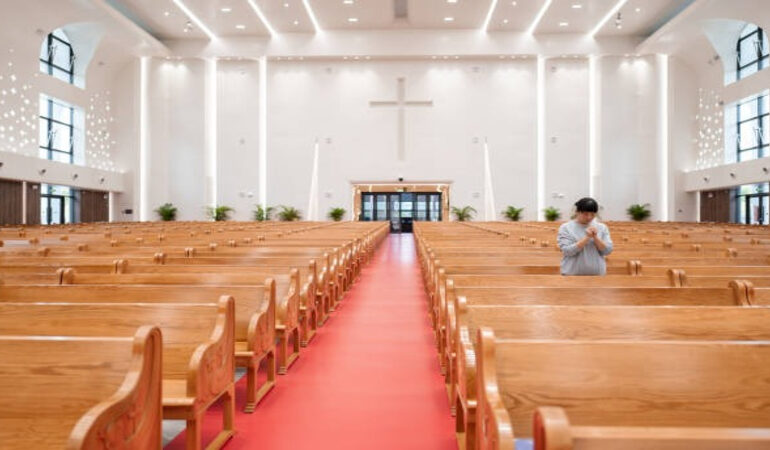

Catholic communities in the Global South are playing an increasingly important role in shaping the present and future of the Church. Across Africa, Latin America, and large parts of Asia, Catholic populations continue to grow while many traditional centers of the Church face demographic decline. This shift is influencing how the Church understands its mission, priorities, and global identity.
The Global South is not only contributing numbers but also lived experiences of faith shaped by poverty, social change, cultural diversity, and resilience. These communities often encounter faith as a daily source of hope amid economic hardship, political instability, and social inequality. Their perspectives are helping the Church reflect more deeply on how faith is lived in real and often challenging circumstances.
Demographic Growth and the Center of Catholic Life
One of the most significant reasons Catholic communities in the Global South are shaping the Church’s future is demographic change. The majority of the world’s Catholics now live outside Europe and North America. This reality naturally influences pastoral priorities, leadership development, and global Church conversations.
As populations grow in these regions, so does the need for clergy formation, education, and local leadership. The Church increasingly looks to the Global South for new vocations and vibrant parish life. This demographic shift encourages the Church to listen more attentively to voices that reflect the experiences of these communities.
Faith Lived Amid Social and Economic Challenges
Catholic communities in the Global South often practice faith in contexts marked by inequality, conflict, and limited resources. These realities shape a faith that emphasizes solidarity, mutual support, and practical compassion. Parish life frequently becomes a center not only for worship but also for education, healthcare support, and social assistance.
This lived experience influences how the Church understands its social mission. Teaching on justice, dignity, and care for the poor gains urgency when shaped by communities directly affected by these issues. Their witness reinforces the Church’s commitment to addressing structural injustice and human suffering.
Cultural Diversity Enriching the Universal Church
The Global South brings cultural richness that deepens the Church’s understanding of universality. Local traditions, languages, and expressions of worship contribute to a more diverse and dynamic Catholic identity. This diversity does not weaken unity but strengthens it by reflecting the Church’s global nature.
Catholic communities integrate faith into cultural life in ways that resonate locally while remaining connected to universal teaching. This cultural vitality encourages the Church to appreciate multiple expressions of faith. It also challenges assumptions that Catholic identity must follow a single cultural model.
Leadership and Participation From Emerging Churches
As the Global South grows in influence, its leaders are increasingly present in global Church structures. Bishops, theologians, and lay leaders from these regions contribute perspectives shaped by missionary experience and pastoral realities. Their participation influences discussions on evangelization, social responsibility, and governance.
Under Pope Leo XIV, the Church has continued to emphasize listening to local Churches and valuing their insight. This approach reflects an understanding that leadership benefits from diverse experiences. The inclusion of voices from the Global South strengthens decision making by grounding it in global reality.
A Mission Oriented Vision of the Church
Catholic communities in the Global South often approach faith with a strong missionary orientation. Evangelization is understood not only as proclamation but as service and witness within society. This vision aligns closely with the Church’s call to be present among the marginalized and forgotten.
This missionary spirit shapes how the Church imagines its future role in the world. It encourages engagement with young people, families, and communities on the margins. The Global South reminds the Church that faith flourishes when it is lived through service, hope, and perseverance.
Challenges and Shared Responsibility
While the Global South offers vitality, it also faces significant challenges such as limited resources, political instability, and social tension. These realities require collaboration and shared responsibility across the global Church. The future shaped by the Global South is one that calls for mutual support rather than isolation.
By recognizing both strengths and challenges, the Church affirms that shaping its future is a collective effort. The experiences of the Global South invite the entire Church to reflect on faith lived with courage and trust amid uncertainty.
Conclusion
Catholic communities in the Global South are shaping the Church’s future through demographic growth, lived faith, cultural richness, and missionary commitment. Their experiences are helping the Church remain responsive, global, and grounded in the realities of the modern world.