
Why Faith Still Plays a Role in Public Life Across Secular Societies


In many parts of the world, societies describe themselves as secular, often emphasizing the separation of religion from political institutions and public authority. Despite this, faith continues to influence public life in visible and meaningful ways. Religious communities remain active in education, social services, public debate, and ethical reflection, shaping how societies respond to shared challenges.
Faith persists in public life not because of institutional power but because it speaks to enduring human questions. Issues of meaning, responsibility, justice, and dignity do not disappear in secular contexts. Religious traditions, including Christianity, continue to offer moral language and community structures that help people navigate complex social realities.
Faith as a Source of Moral Framework in Public Discourse
One reason faith remains present in public life is its role in shaping moral frameworks. Secular societies still rely on shared ethical assumptions when addressing questions such as human rights, social justice, and responsibility toward the vulnerable. Faith traditions contribute to these conversations by articulating values grounded in long standing moral reflection.
Religious perspectives often emphasize human dignity, solidarity, and care for the common good. These principles resonate beyond confessional boundaries and inform public discussion without requiring religious belief. Faith based moral reasoning continues to influence debates by offering language that connects ethics to lived experience.
Social Institutions Rooted in Faith
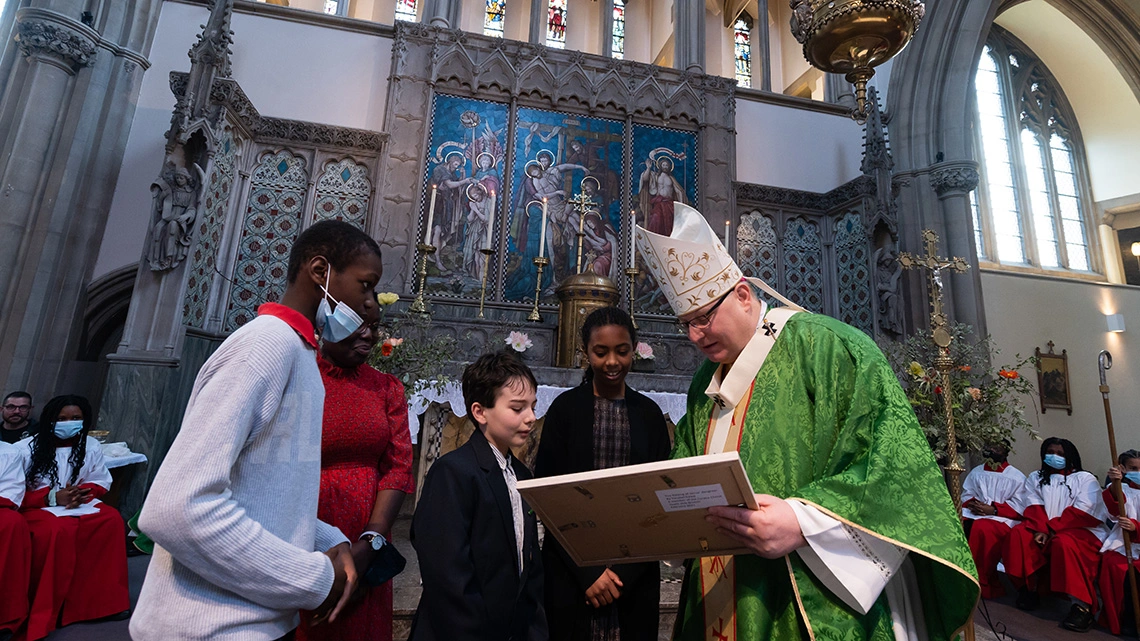
Faith continues to shape public life through institutions that serve society broadly. Schools, hospitals, charities, and humanitarian organizations founded by religious communities often operate in secular environments while maintaining ethical commitments inspired by faith. Their work addresses practical needs that affect the wider population.
These institutions contribute to social cohesion by providing services where public systems may fall short. Their presence demonstrates that faith can motivate constructive engagement rather than withdrawal from society. Through service, faith communities remain visible contributors to the public good.
Community and Belonging in Secular Contexts
In increasingly individualistic societies, faith communities offer spaces of belonging and mutual support. Parishes, congregations, and faith based organizations create networks that connect people across generations and social backgrounds. These relationships strengthen social fabric in ways that extend beyond religious practice.
Faith communities often respond quickly to local needs, whether through assistance programs or community dialogue. This grassroots engagement keeps faith present in everyday public life. Even in secular settings, people turn to religious communities during moments of crisis or transition.
Faith and the Language of Human Dignity
Public life regularly confronts questions about the value of human life and the treatment of individuals. Faith traditions consistently affirm the inherent dignity of every person. This affirmation influences discussions on social policy, labor, migration, and care for the marginalized.
Religious language about dignity has helped shape international human rights discourse. Even when expressed in secular terms, these concepts often draw from moral traditions developed within religious contexts. Faith continues to provide a moral vocabulary that informs public reasoning.
Dialogue Between Faith and Secular Society
Rather than existing in opposition, faith and secular society increasingly interact through dialogue. Religious leaders and institutions engage with policymakers, academics, and civil organizations to address shared concerns. This engagement respects pluralism while acknowledging that faith based perspectives remain part of social reality.
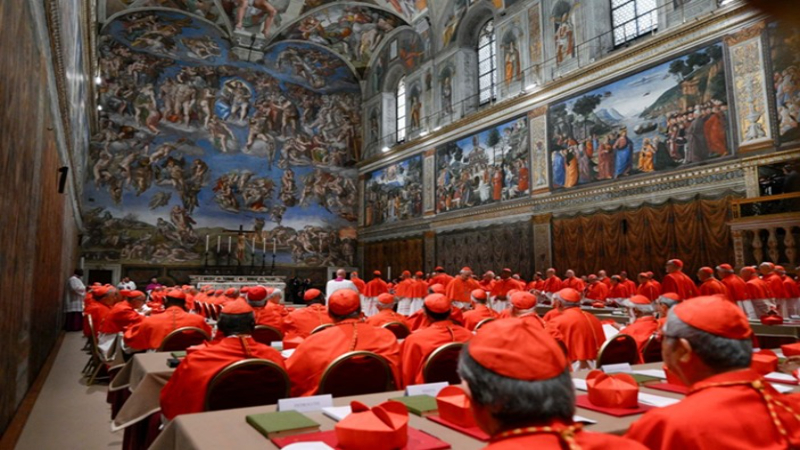
Under Pope Leo XIV, the Catholic Church has emphasized dialogue grounded in respect and responsibility. This approach reinforces the idea that faith contributes to public life not by imposing belief but by participating constructively in ethical reflection. Dialogue allows faith to remain present without dominating.
Resilience of Faith in Times of Uncertainty
Periods of social uncertainty often reveal why faith remains relevant. During economic crises, conflict, or cultural change, people seek sources of meaning and hope. Faith traditions provide narratives that help individuals interpret suffering and responsibility within a broader moral horizon.
This resilience explains why faith continues to appear in public conversations even in secular societies. It responds to human needs that transcend political systems or cultural trends. Faith persists because it addresses dimensions of life that remain unresolved by secular frameworks alone.
Conclusion
Faith continues to play a role in public life across secular societies because it offers moral insight, community, and ethical language that remain relevant. Through service, dialogue, and commitment to human dignity, faith traditions contribute meaningfully to the shared life of modern societies.